





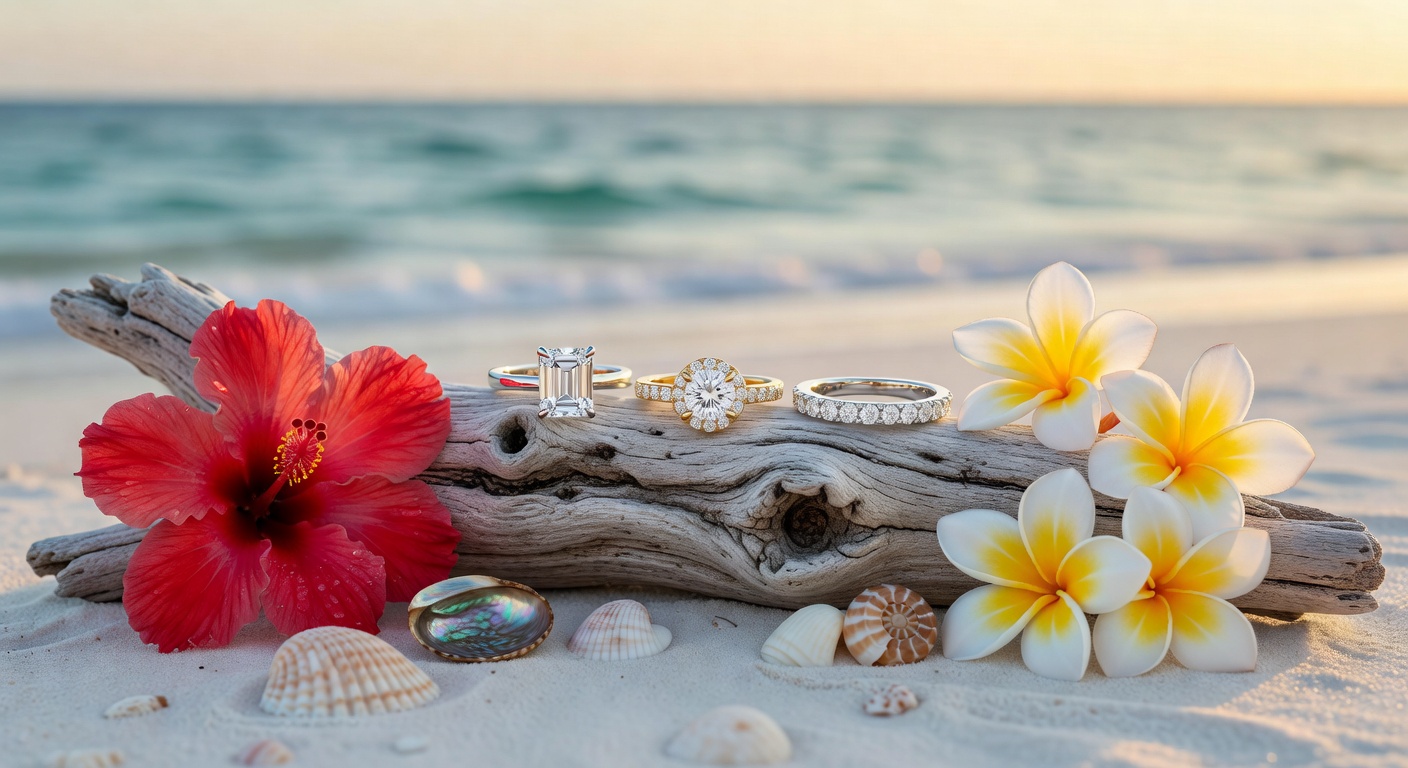

Jewelry Care Guide for Florida Climate: Protect Your Fine Jewelry from Salt Air, Humidity & Sunscreen
Living in Florida offers breathtaking beaches, year-round sunshine, and a relaxed lifestyle. However, the same elements that make the Sunshine State paradise can silently damage your most cherished jewelry. Salt air, relentless humidity, and everyday sunscreen create a perfect storm that can tarnish, corrode, and degrade even the finest pieces if not properly addressed.
This comprehensive Florida jewelry care guide provides expert insights into the specific challenges of coastal living and delivers proven, safe cleaning protocols designed to protect your investment for generations.
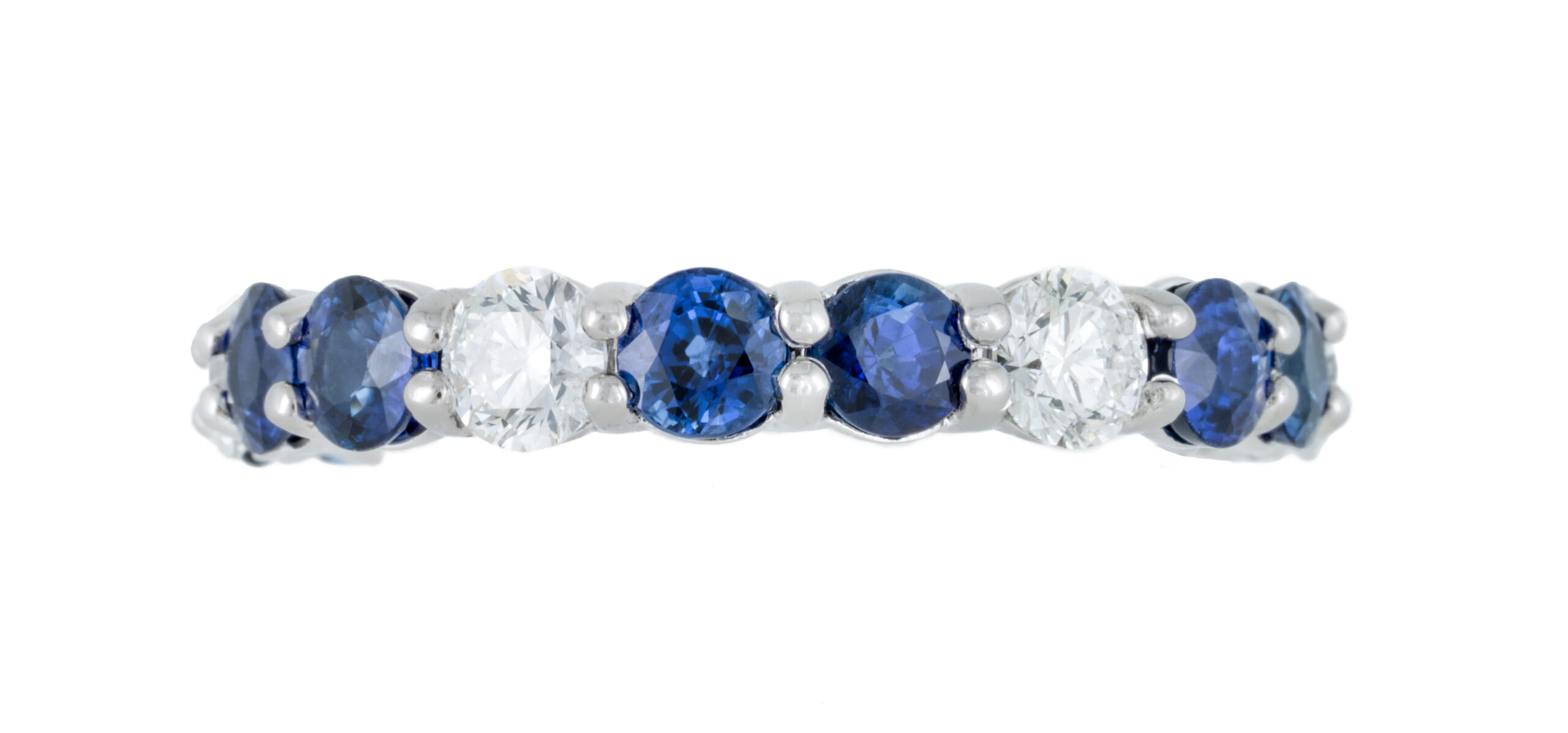
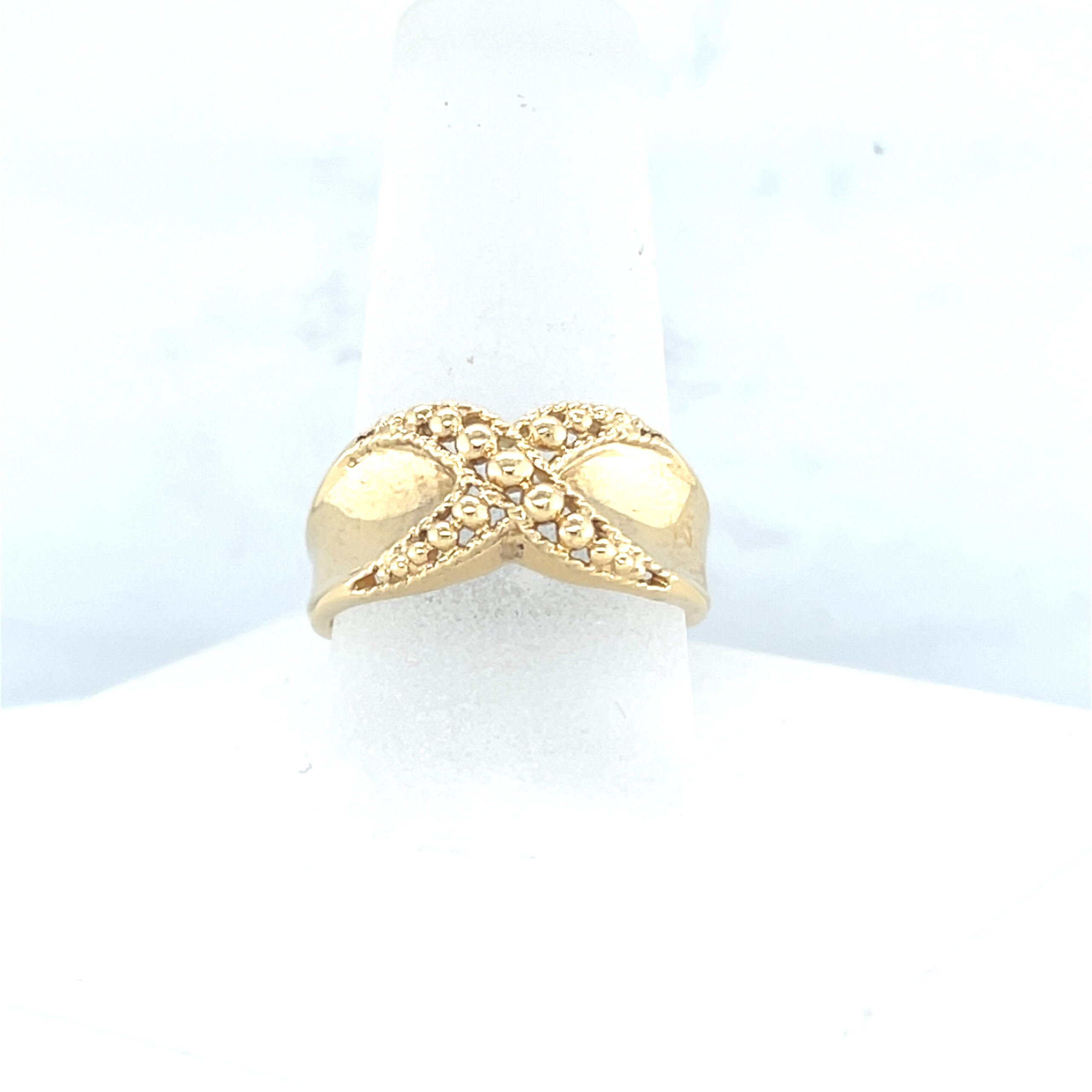
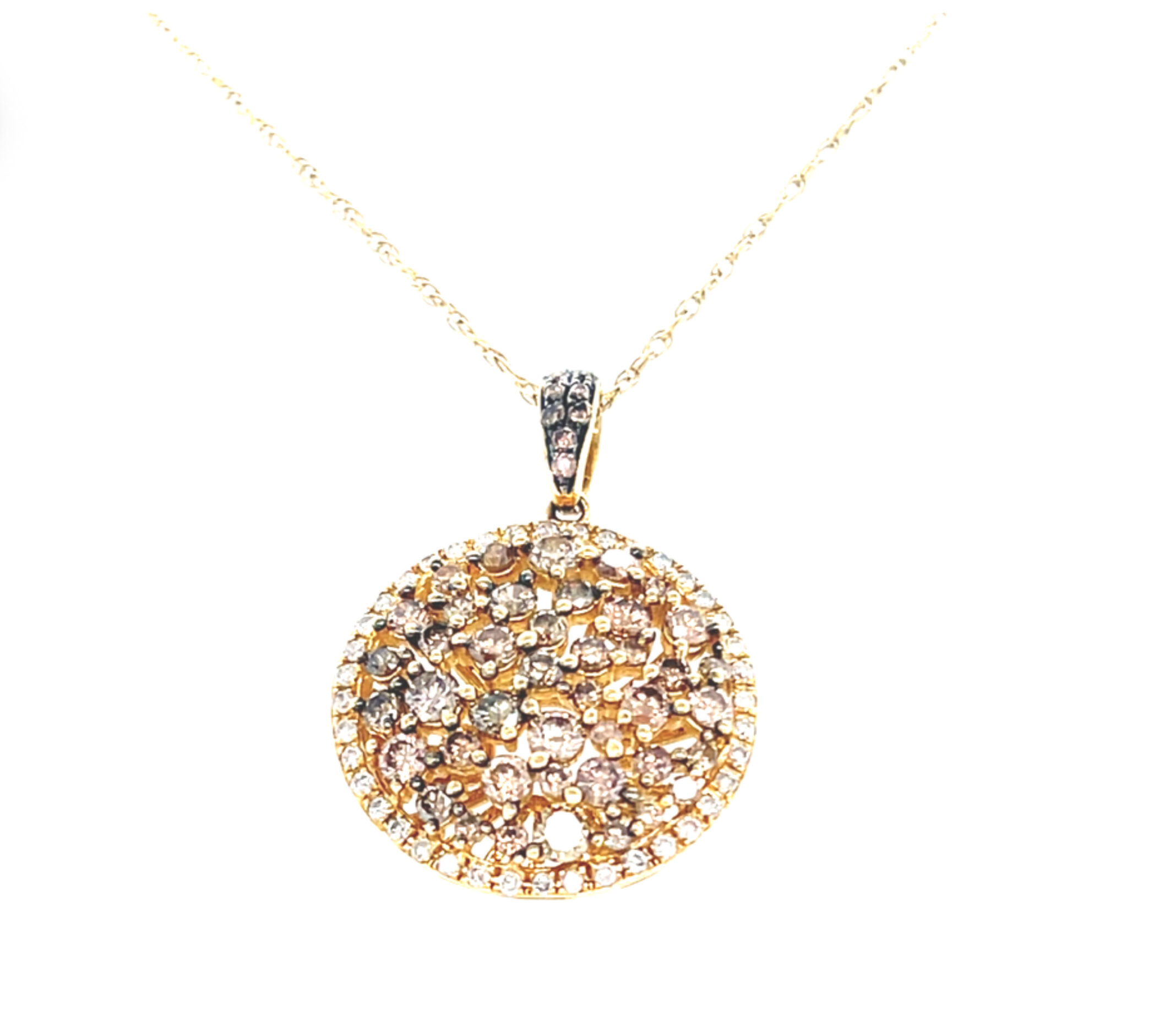
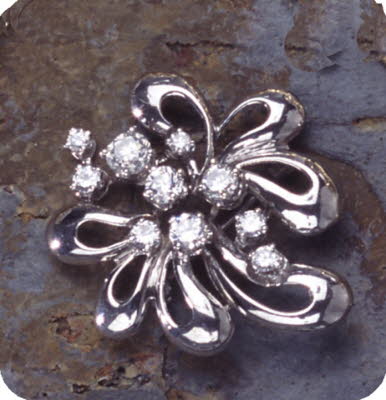
Image Grid 1
Understanding Florida’s Hostile Environment for Fine Jewelry
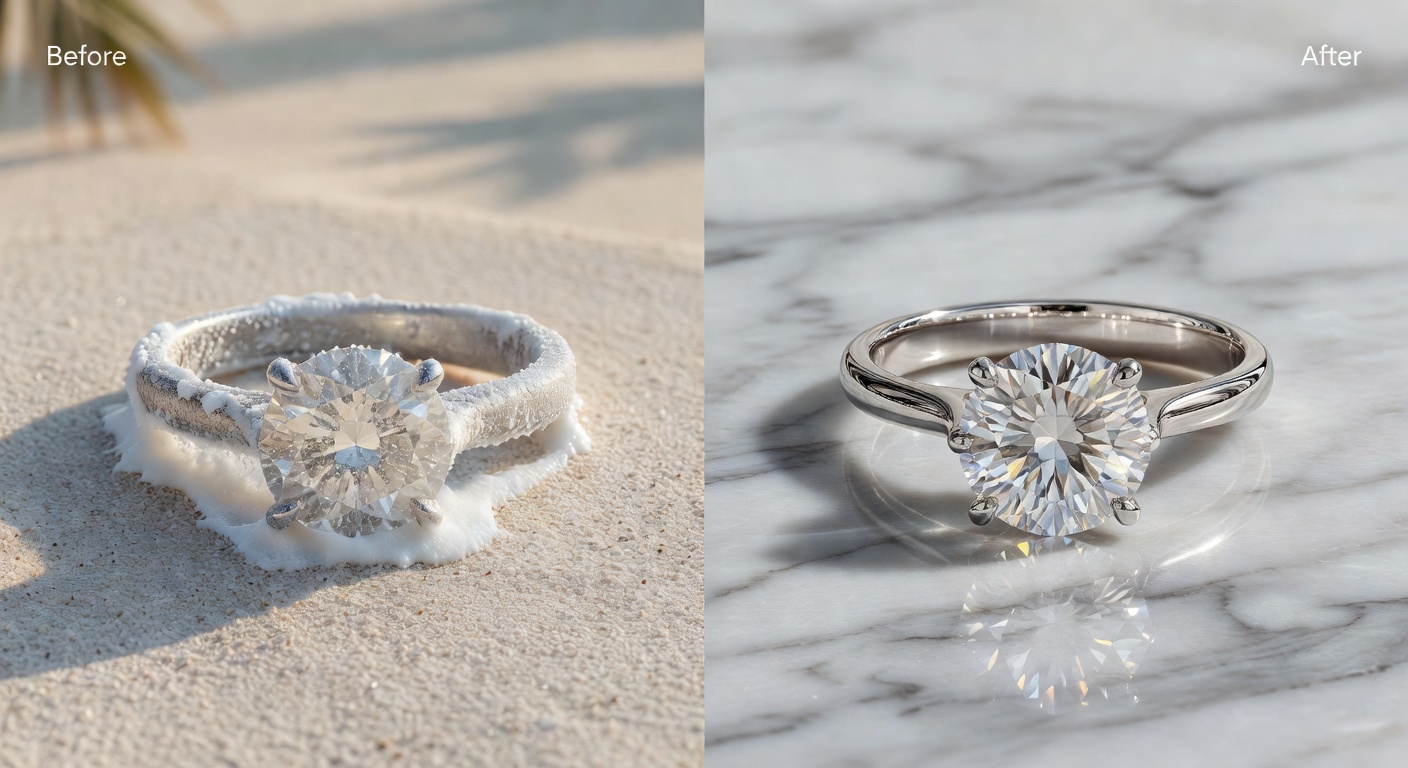
Florida’s subtropical climate presents three primary threats to jewelry: high salinity in the air, extreme humidity levels, and chemical interactions from sunscreen and personal care products. These factors affect everything from gold and platinum to diamonds, pearls, and colored gemstones.
The Science Behind Salt Air Corrosion
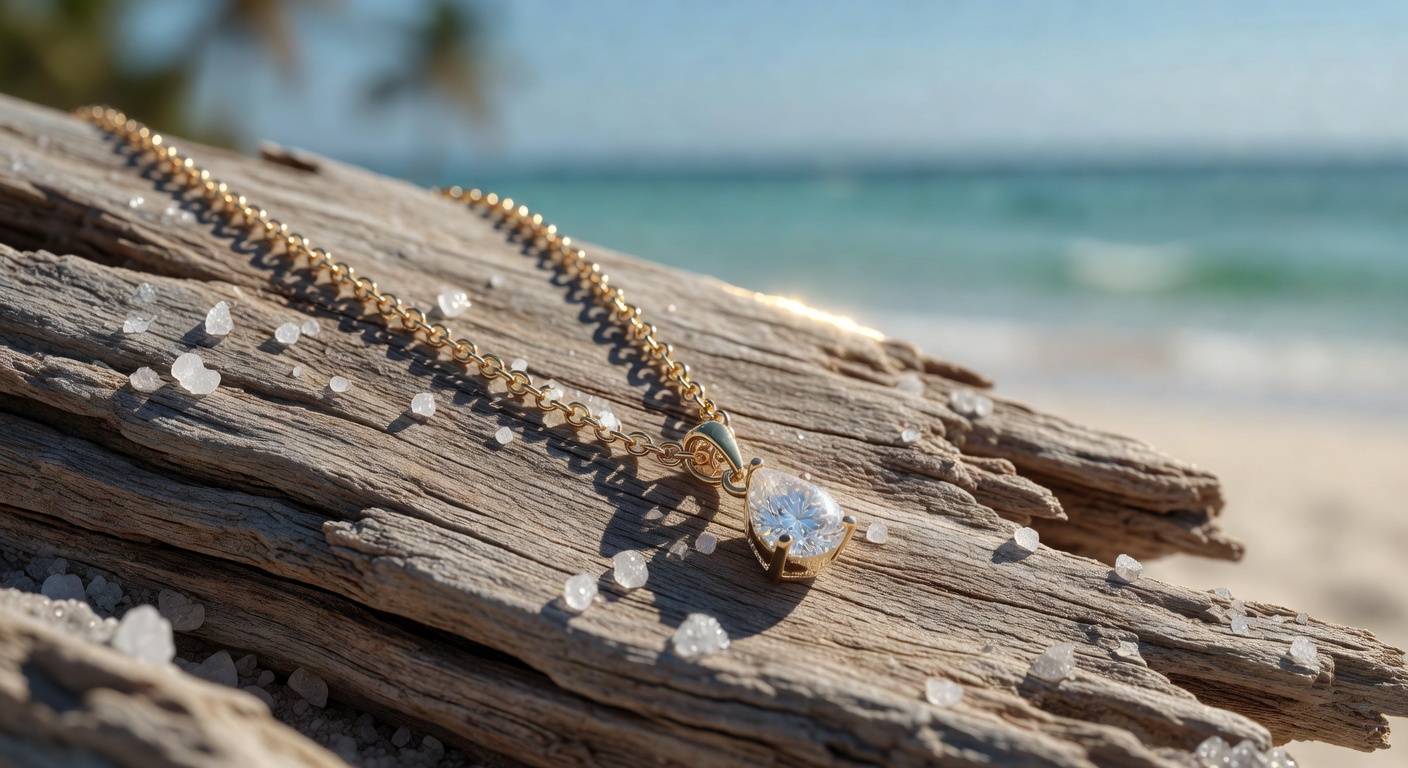
Salt air, technically known as salt aerosol, contains microscopic sodium chloride particles that settle on jewelry surfaces. In the presence of moisture, these particles become electrolytes that accelerate oxidation and corrosion. This is particularly damaging to sterling silver, base metals, and even certain gold alloys.
Coastal areas within five miles of the ocean experience significantly higher salt concentrations. The constant breeze carries these particles inland, meaning even residents in Orlando or Tampa face elevated risks compared to inland states.
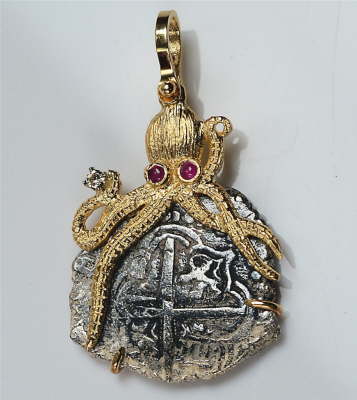
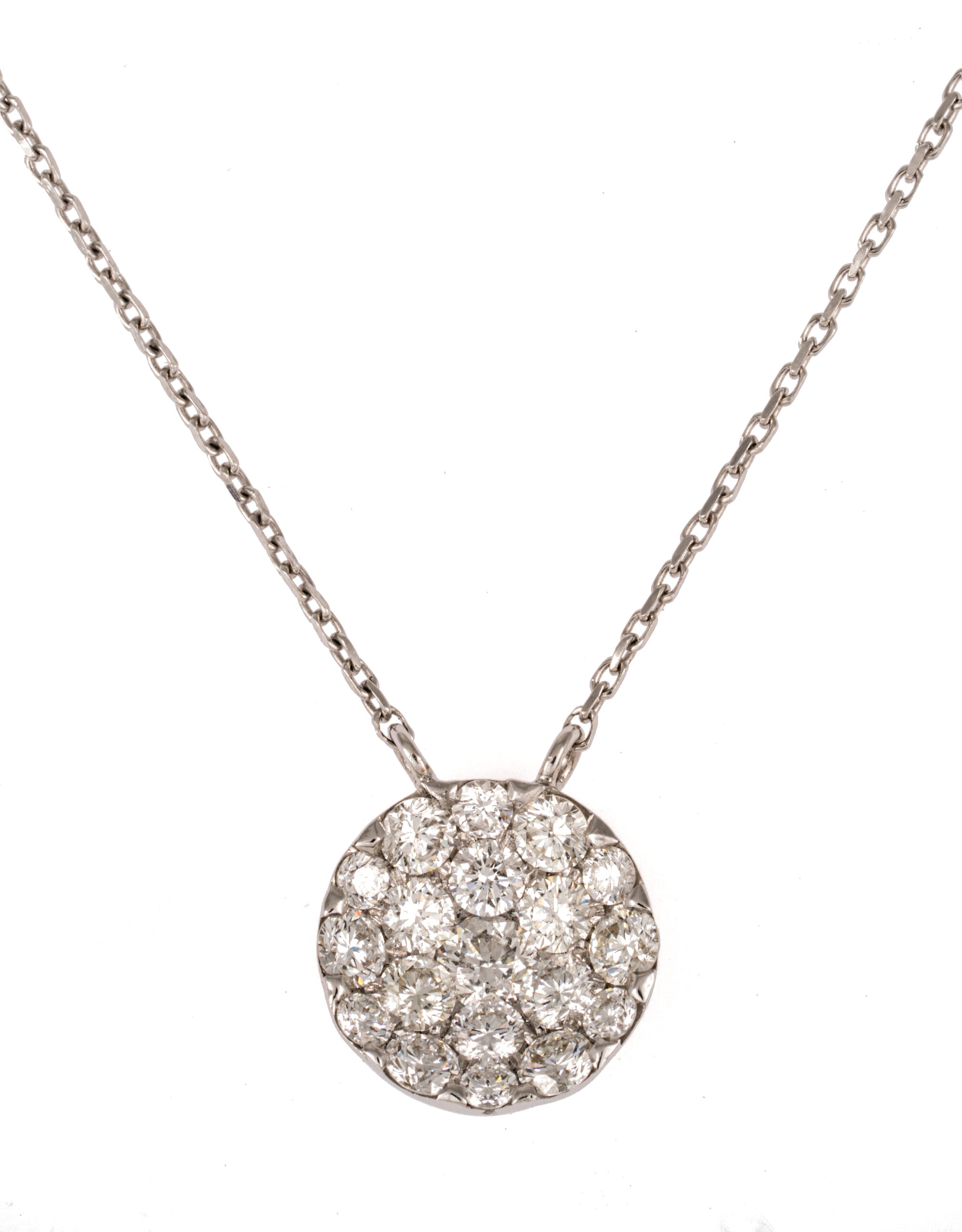
Image Grid 2

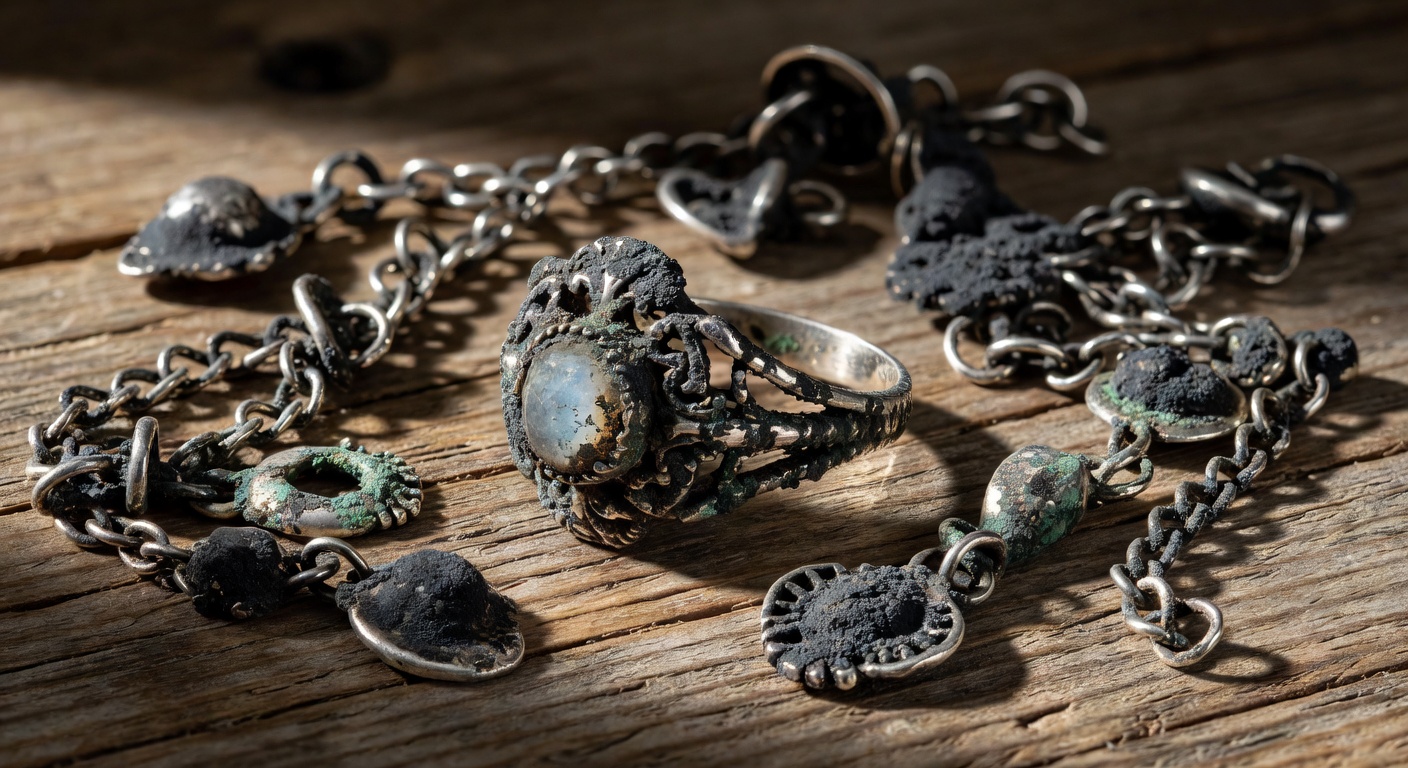

Humidity: The Silent Enemy of Jewelry
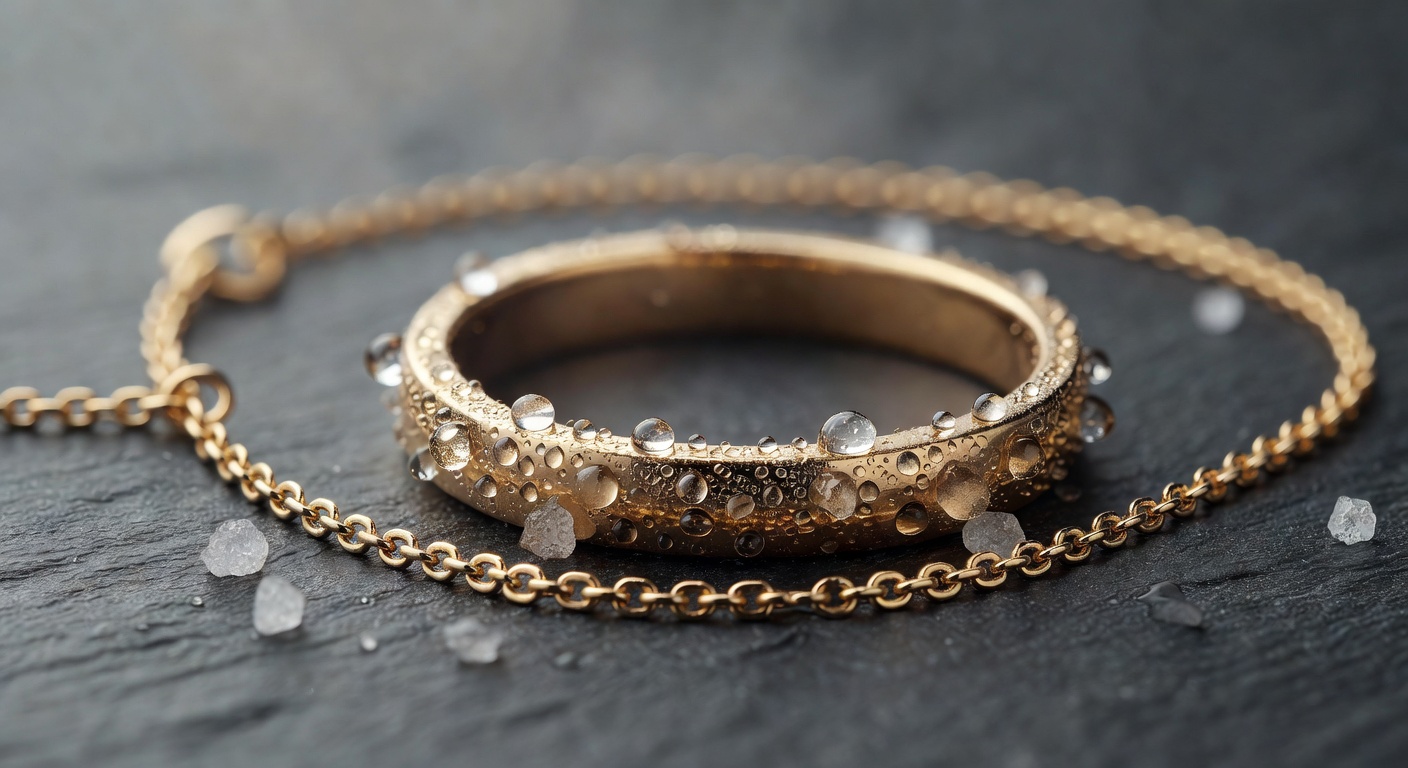
Florida’s average relative humidity often exceeds 70% and frequently reaches 90% during summer months. High humidity creates micro-condensation on metal surfaces, promoting tarnish formation and potentially causing organic materials like pearls and opals to swell, crack, or lose their luster.
Sunscreen and Lotion Chemical Reactions
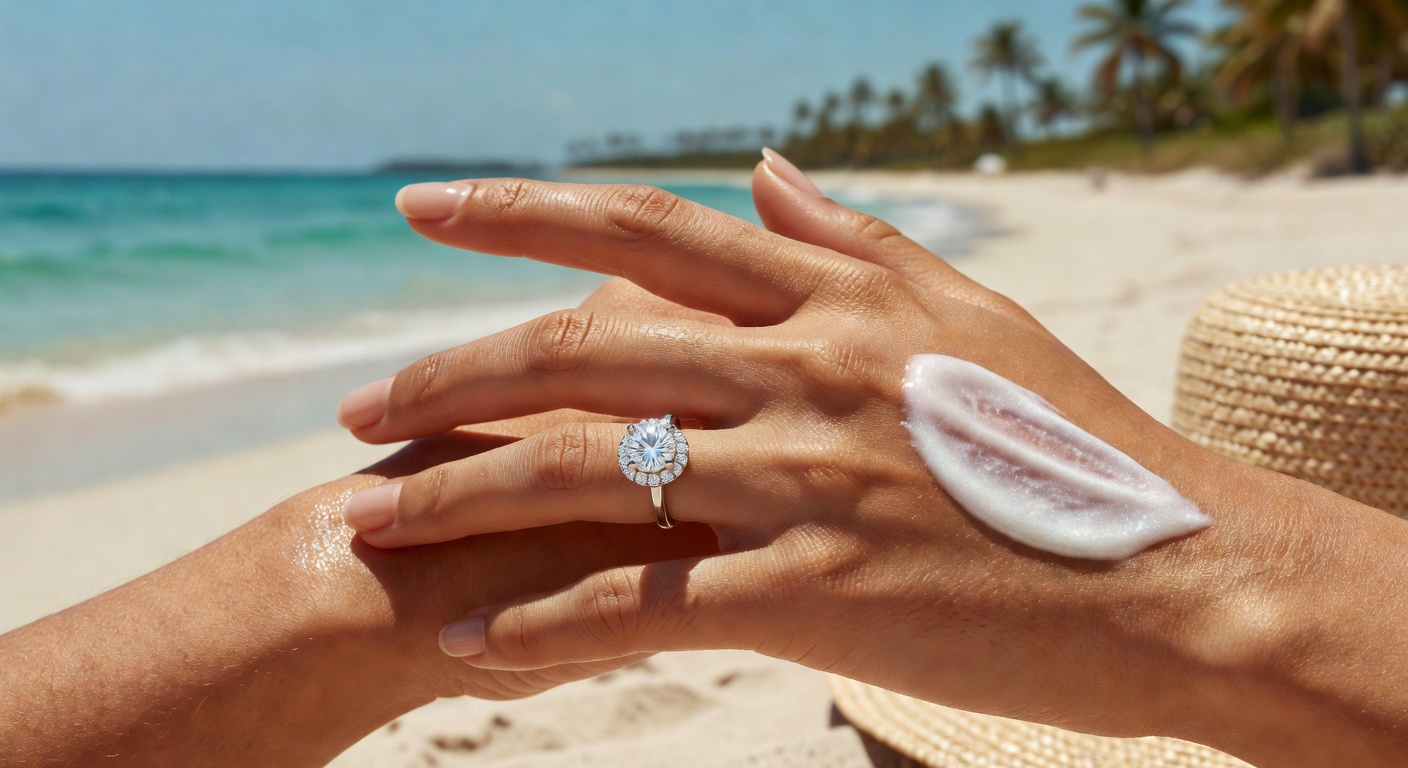
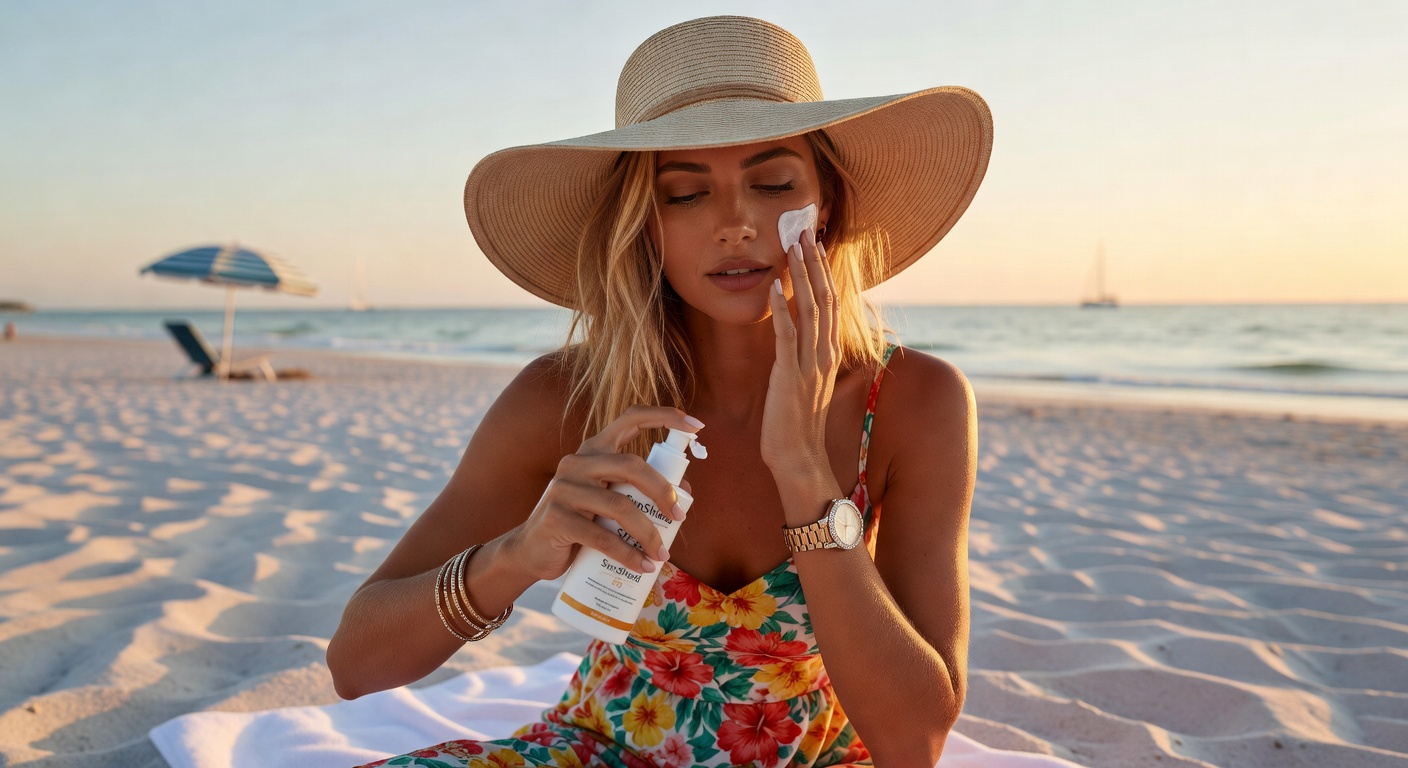
Modern sunscreens contain complex chemical compounds including oxybenzone, avobenzone, and various oils. These substances can create microscopic scratches on metal surfaces and leave behind residue that attracts dust, salt particles, and moisture. The combination often leads to discoloration and pitting on gold, especially lower karat alloys.
How Different Jewelry Materials React to Florida Climate
Gold Jewelry in Humid Coastal Environments
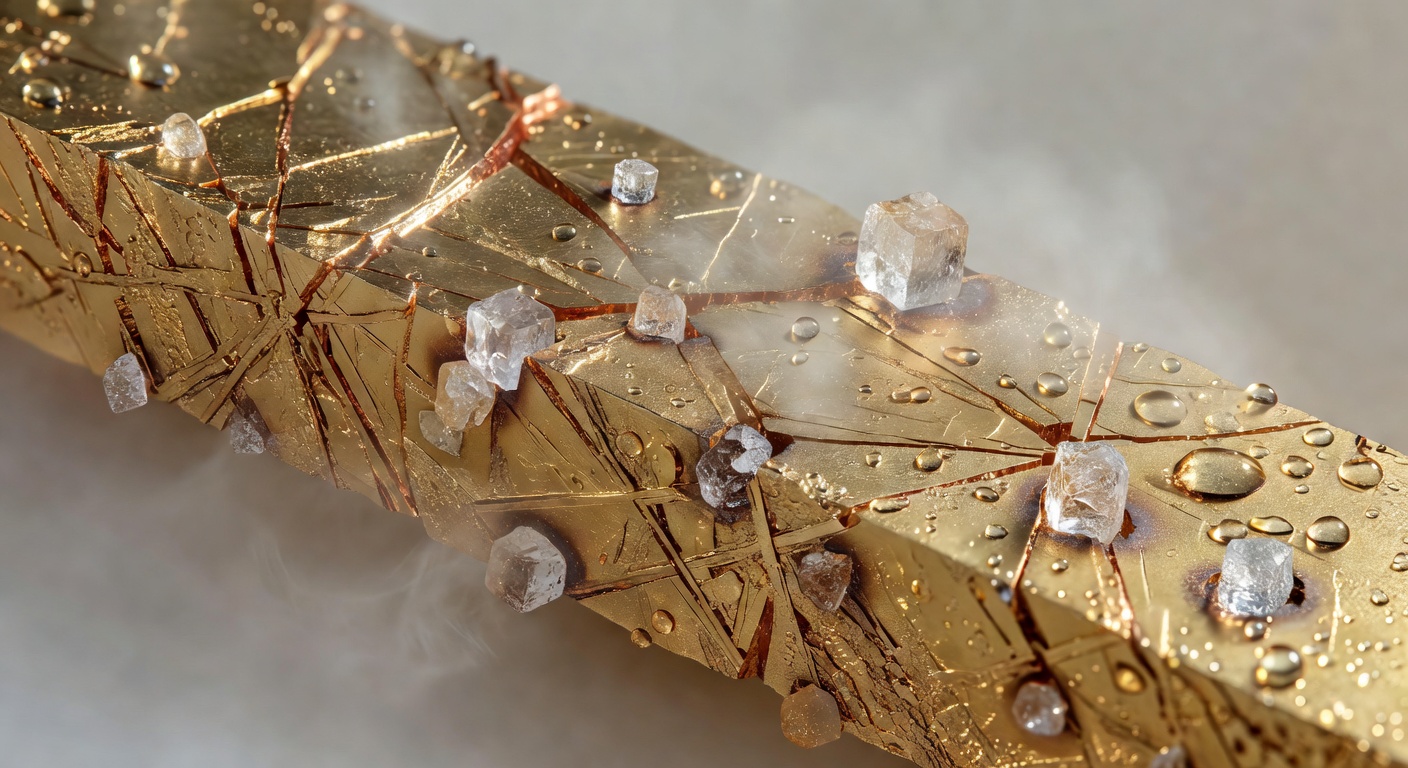
While gold itself is highly resistant to corrosion, most gold jewelry is actually an alloy. 14k and 18k gold contain copper, silver, and other metals that can react with salt and sulfur compounds in the air. Higher karat gold (20k-24k) is more resistant but also softer and more prone to scratching.
Common issues include:
- Discoloration around prongs and settings
- Pitting on gold surfaces
- Weakening of solder joints over time
Sterling Silver and the Tarnish Battle
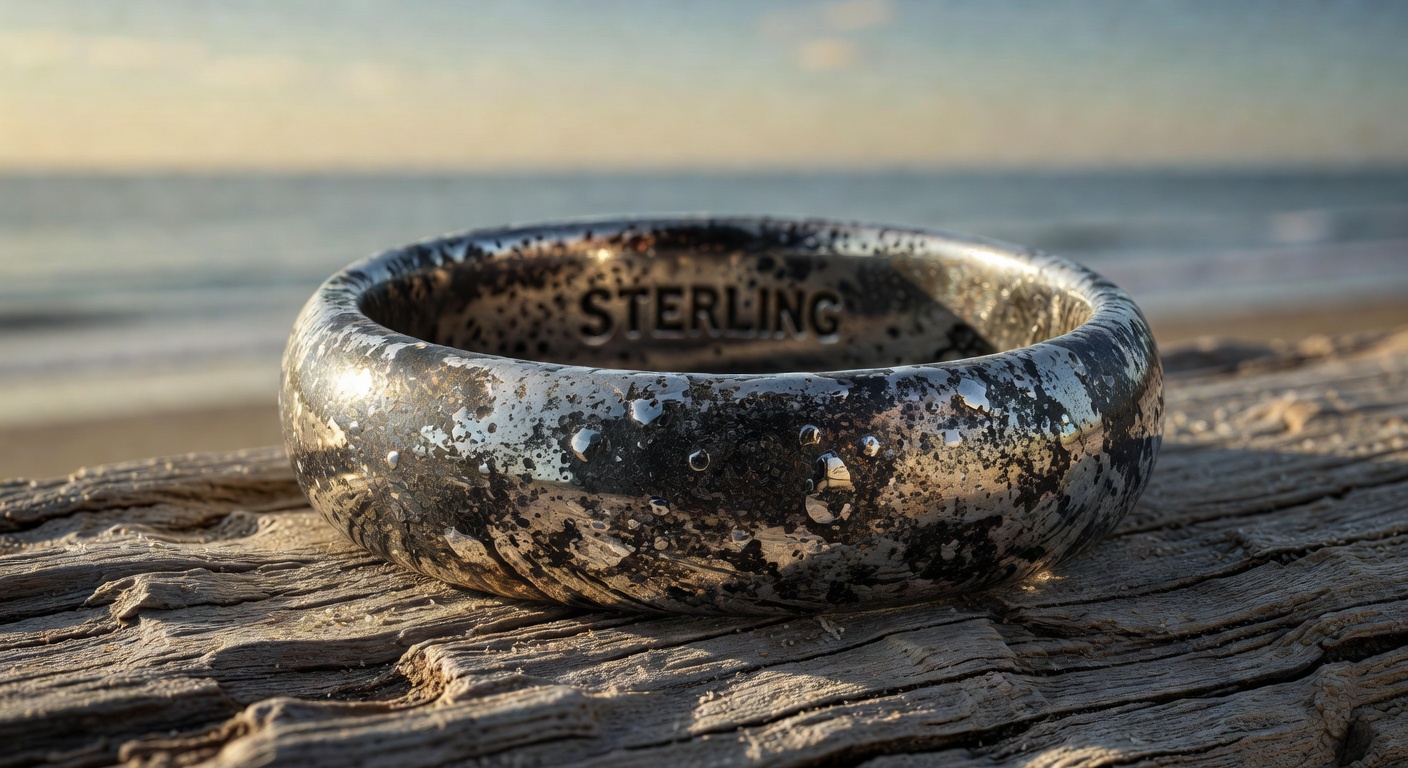
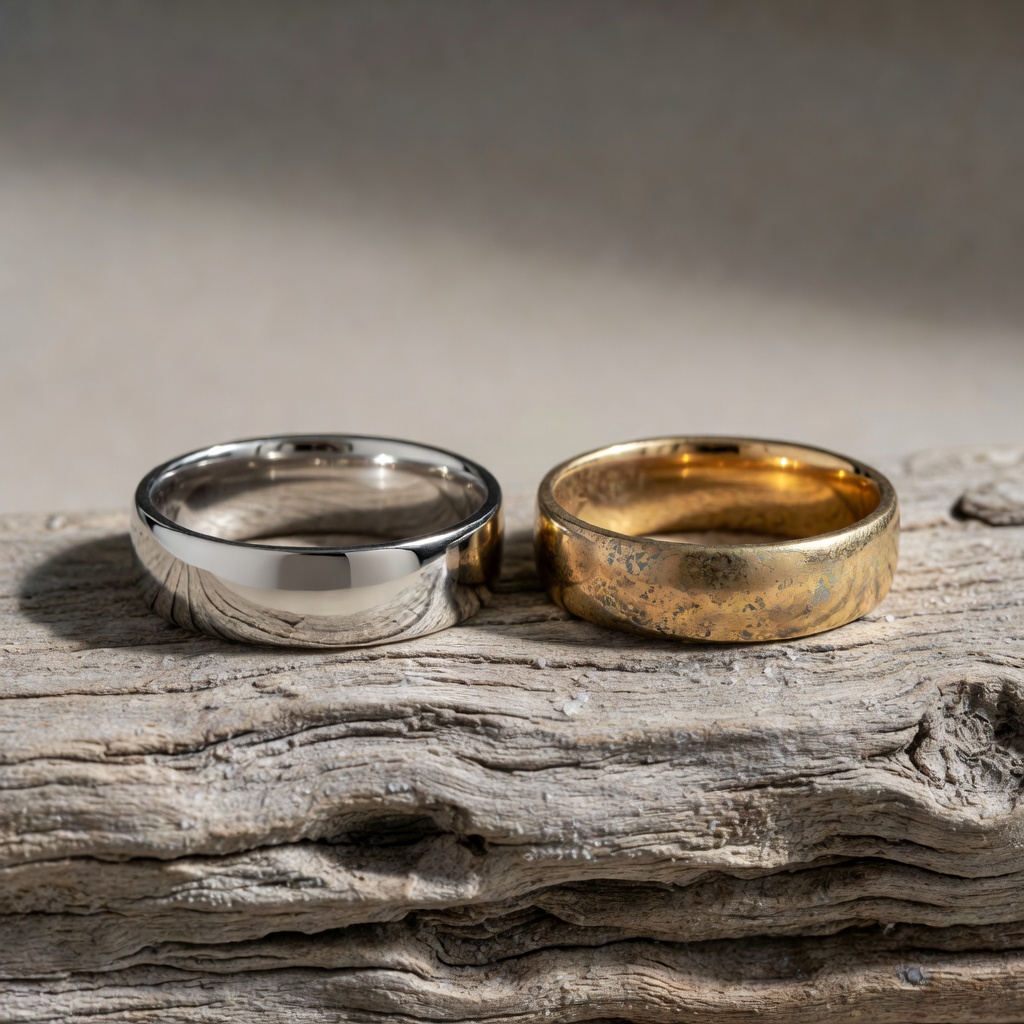
Sterling silver is particularly vulnerable in Florida. The combination of salt air and high humidity accelerates the formation of silver sulfide (tarnish). Without proper care, beautiful silver pieces can turn completely black within weeks of light use.
Platinum: The Most Forgiving Precious Metal
Platinum stands up remarkably well to Florida’s climate due to its extreme density and chemical inertness. However, it still requires regular cleaning as oils and sunscreen can make it appear dull over time.
Diamonds, Gemstones, and Organic Materials
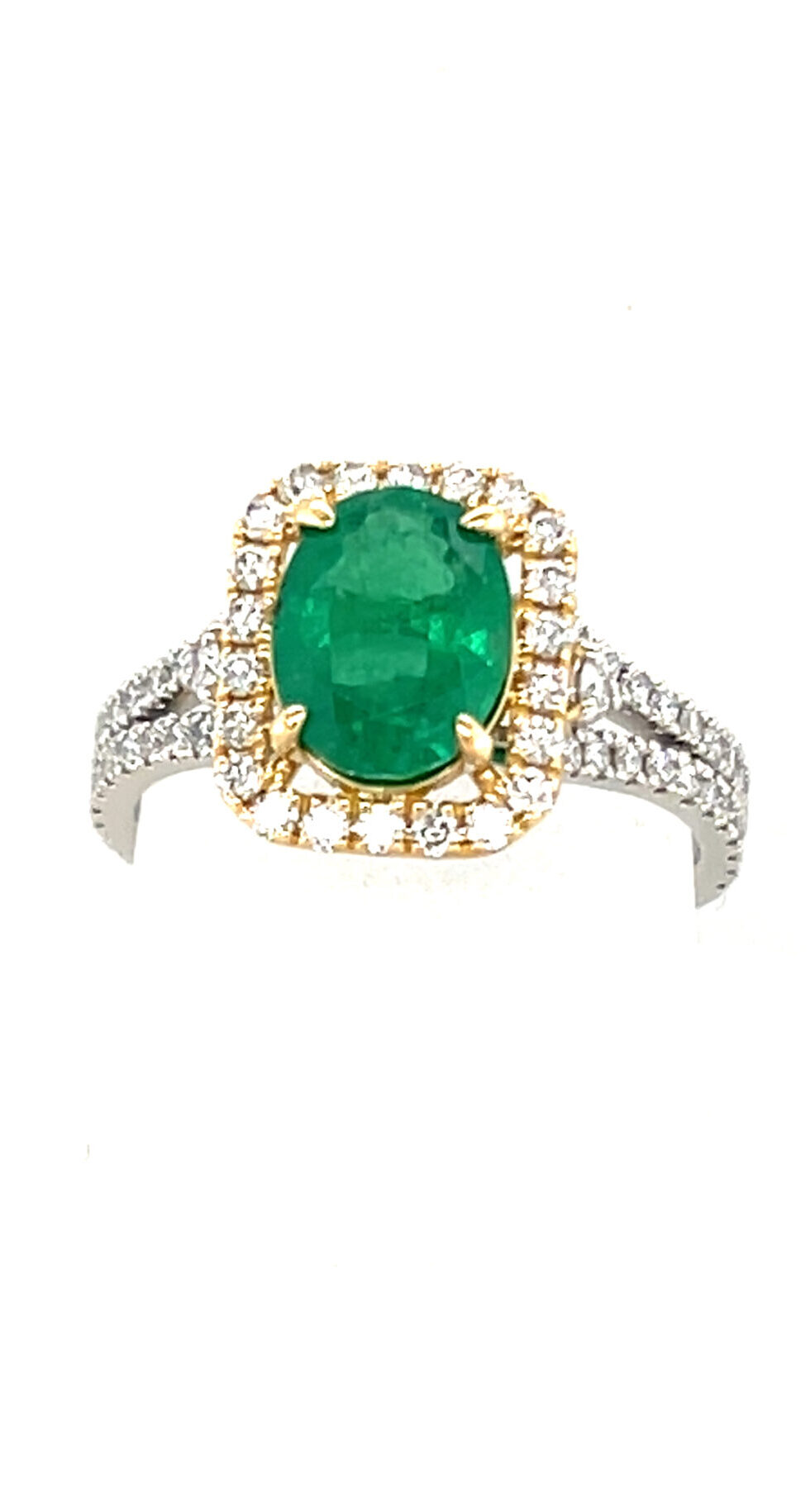
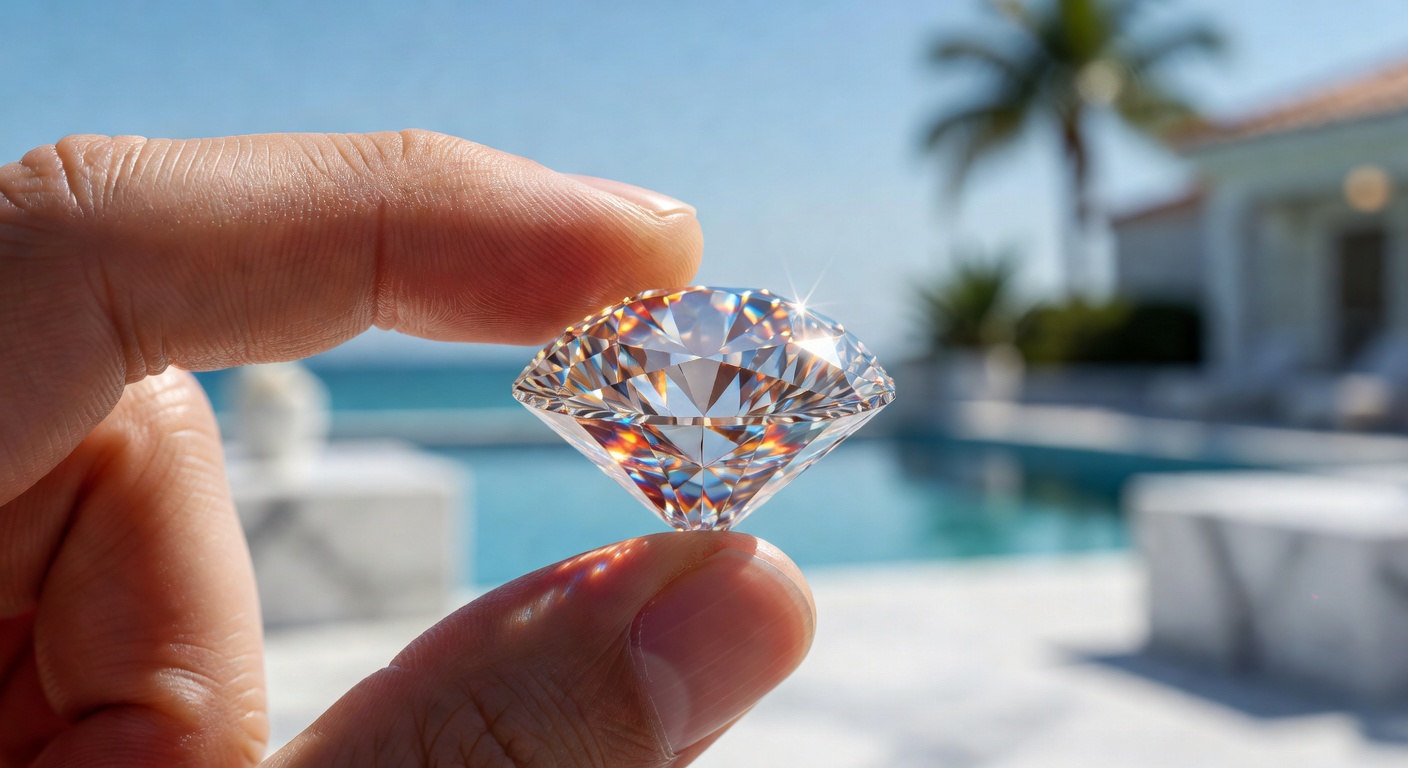
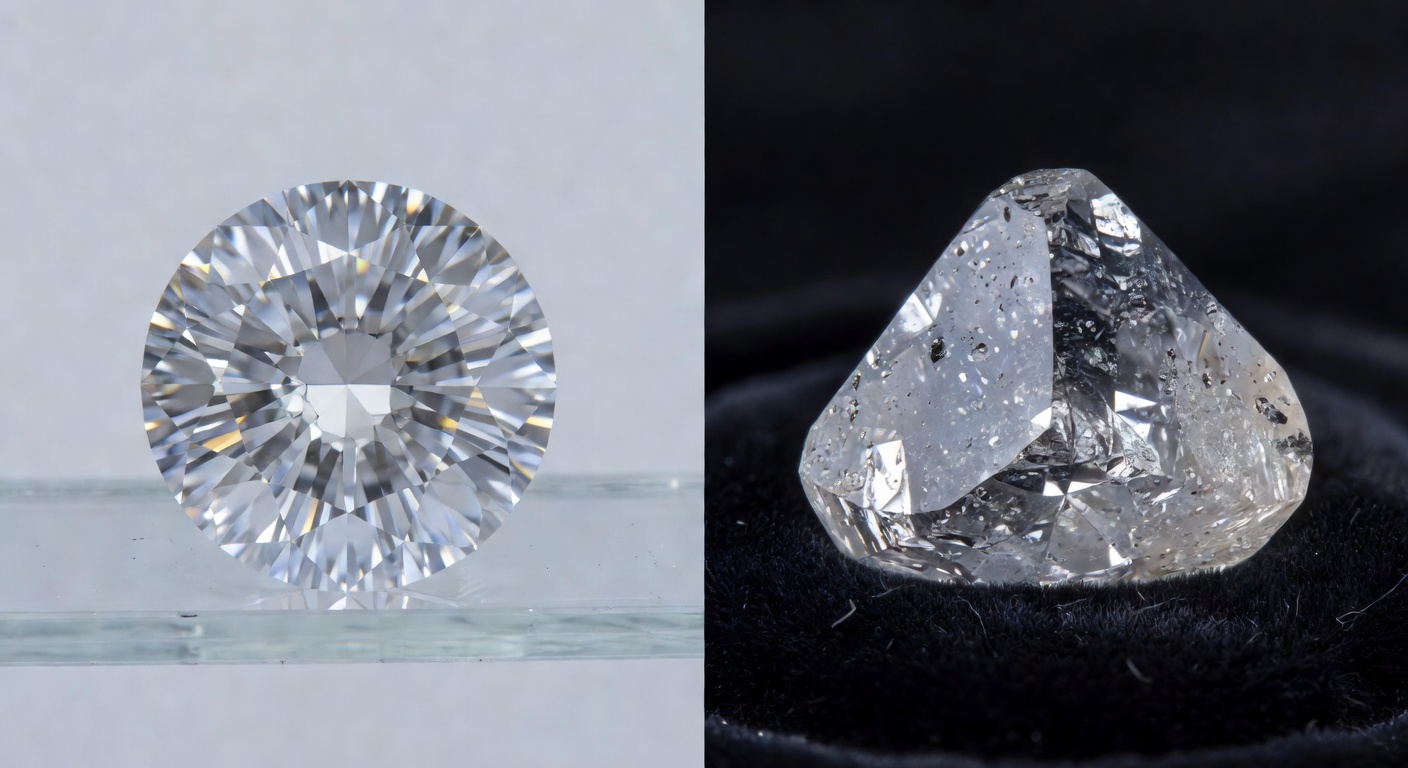
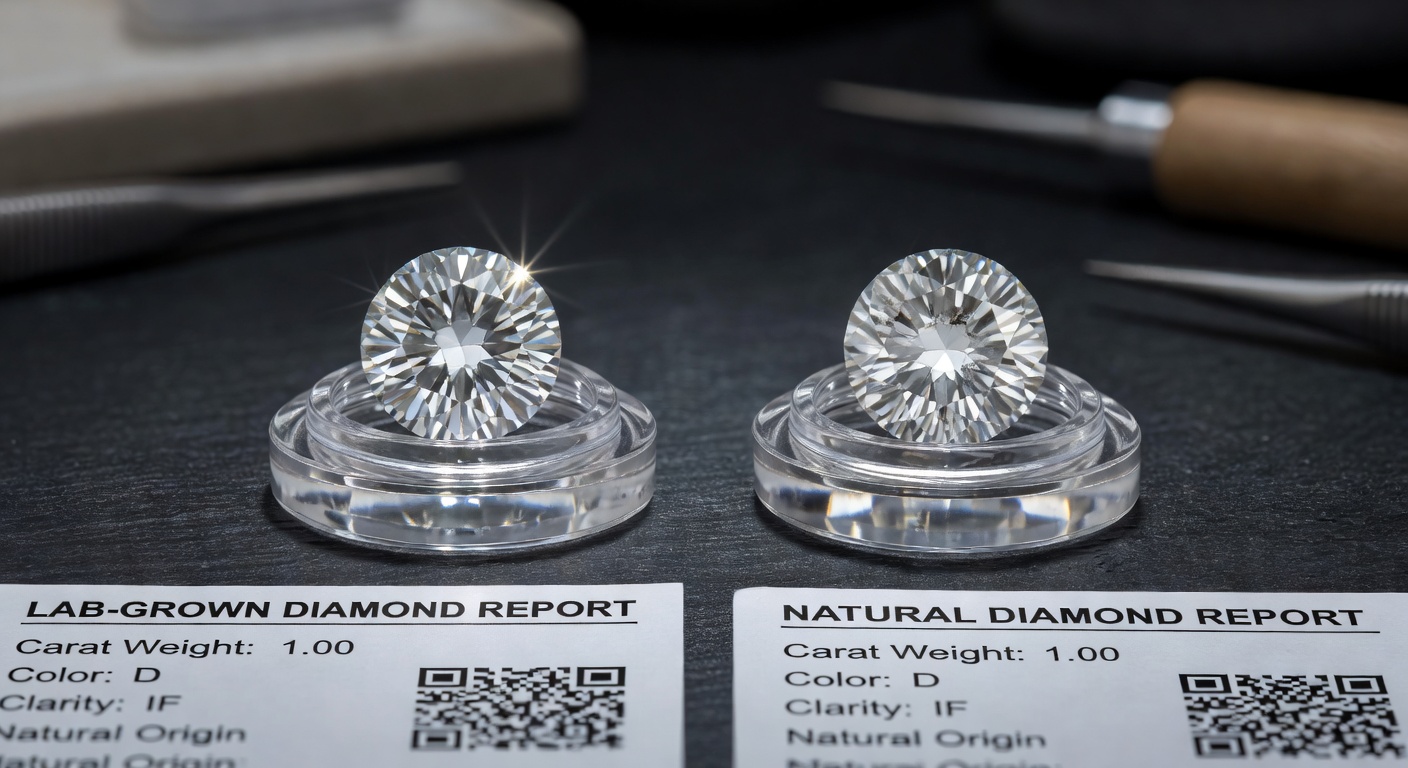
Diamonds are chemically stable but can become coated with a film of sunscreen and salt that dulls their brilliance. Porous gemstones like emeralds, opals, and turquoise can absorb moisture and chemicals, leading to permanent damage. Pearls and coral are particularly sensitive to both pH changes and chemical exposure.
Professional Cleaning Protocols for Florida Jewelry
Daily Maintenance Routine
Establishing a daily jewelry care habit is the most effective defense against Florida’s climate challenges.
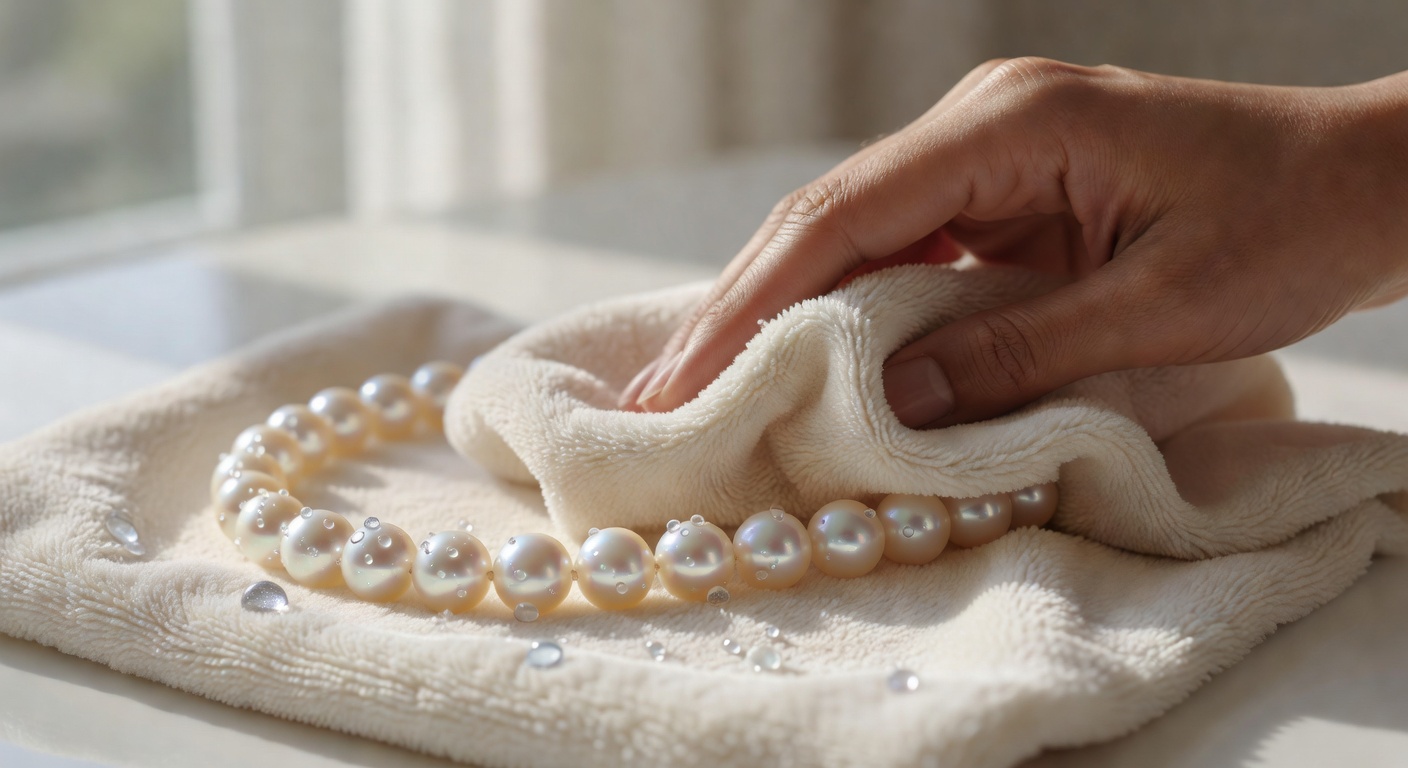
- Gentle wiping: Use a microfiber cloth to remove sunscreen, lotion, and salt residue immediately after wear.
- Separate storage: Never store jewelry in the bathroom where humidity levels are highest.
- Remove before swimming: Chlorine and salt water are extremely damaging to most jewelry.
Weekly Deep Cleaning Methods
For Gold and Platinum:
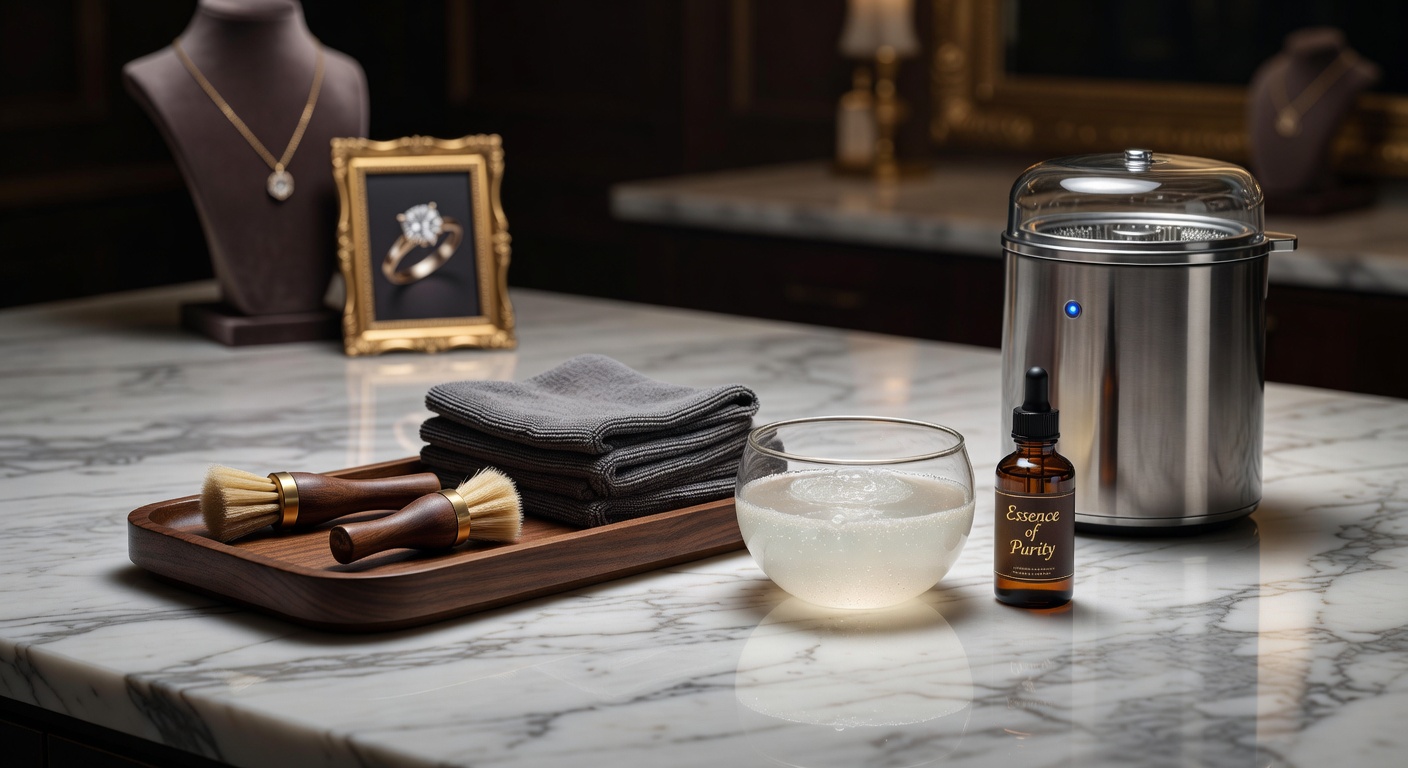
- Mix warm water with a few drops of mild dish soap (Dawn or similar).
- Use a soft-bristled toothbrush to gently clean around settings and under stones.
- Rinse thoroughly under lukewarm running water.
- Pat dry with a lint-free cloth, then air dry completely.
For Sterling Silver:
Use a dedicated silver cleaning solution formulated for delicate jewelry. Avoid generic silver dips that can be too harsh. For light tarnish, a baking soda and aluminum foil method can be effective when used correctly, but should be limited to once per month.
Monthly Professional Maintenance
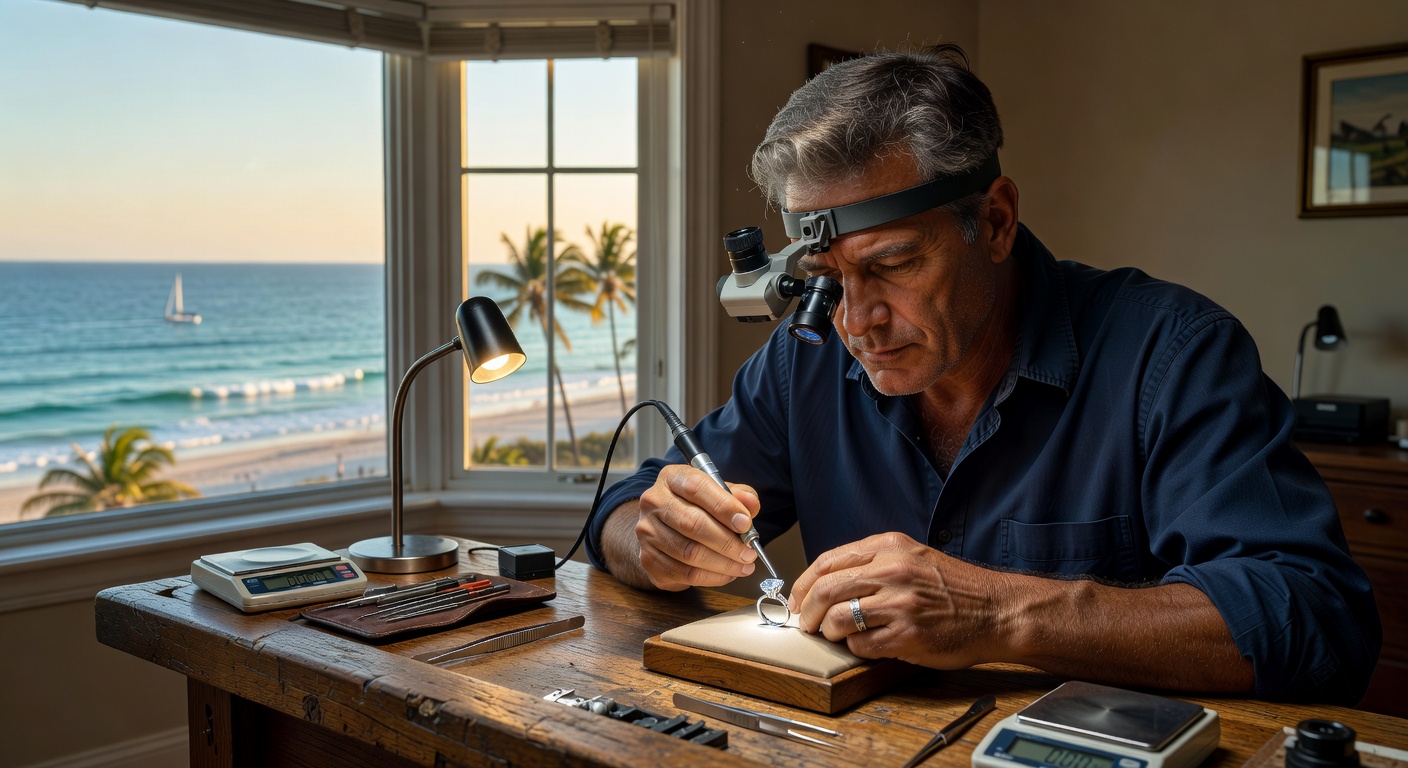
Even with diligent home care, professional inspection and cleaning every 3-6 months is recommended for valuable pieces. A qualified jeweler can:
- Check for loose stones and weakened prongs
- Deep clean areas impossible to reach at home
- Inspect for signs of corrosion or metal fatigue
- Replate rhodium on white gold as needed
Specialized Care for Popular Florida Jewelry
Protecting Beach and Coastal Jewelry Collections
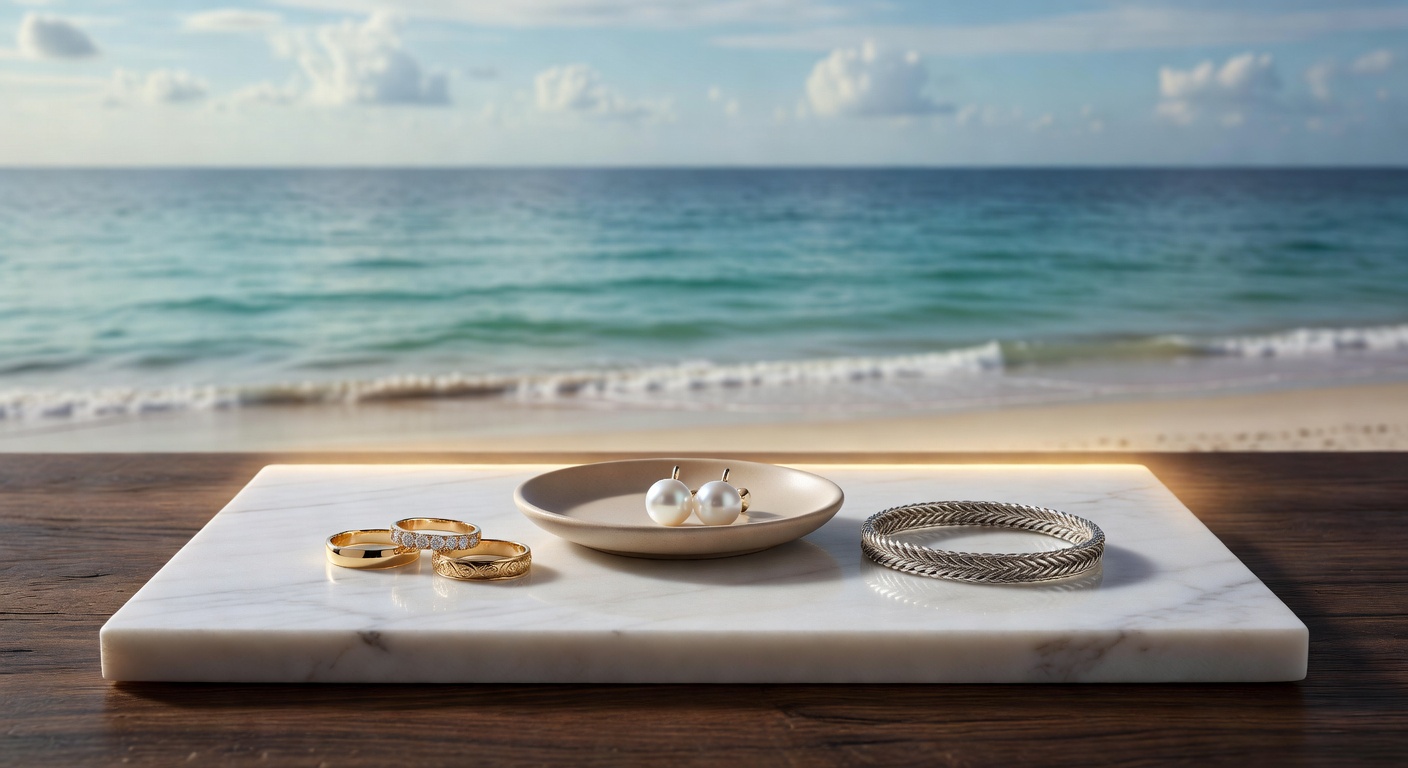
Many Florida residents own both fine jewelry and casual coastal pieces. These collections require different approaches:
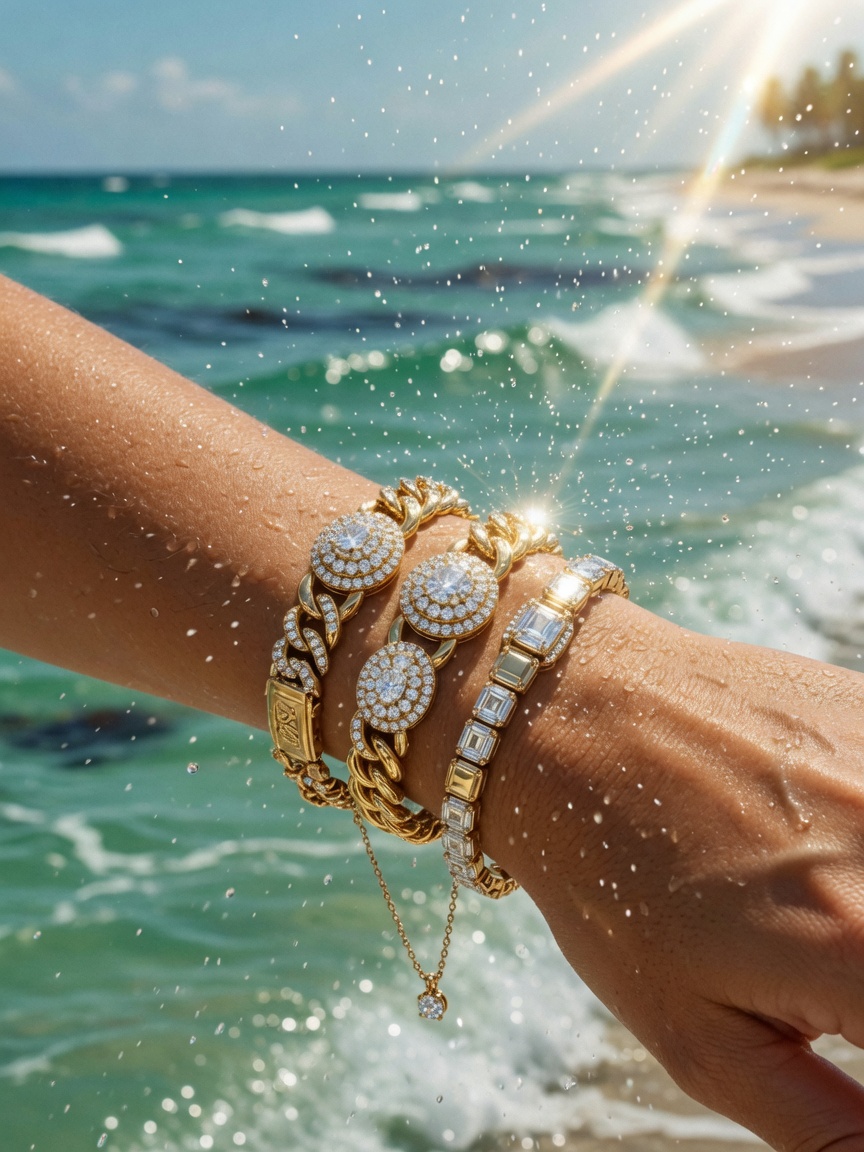
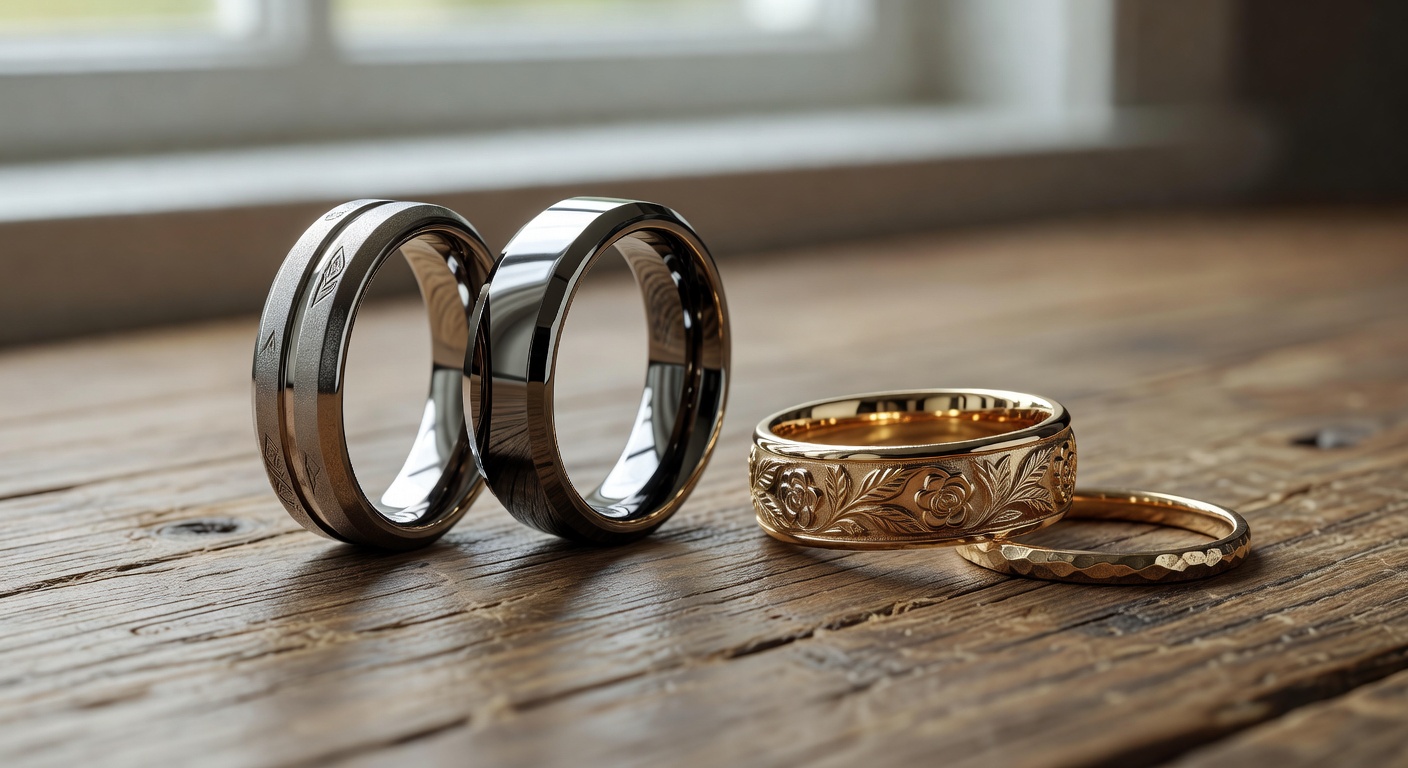
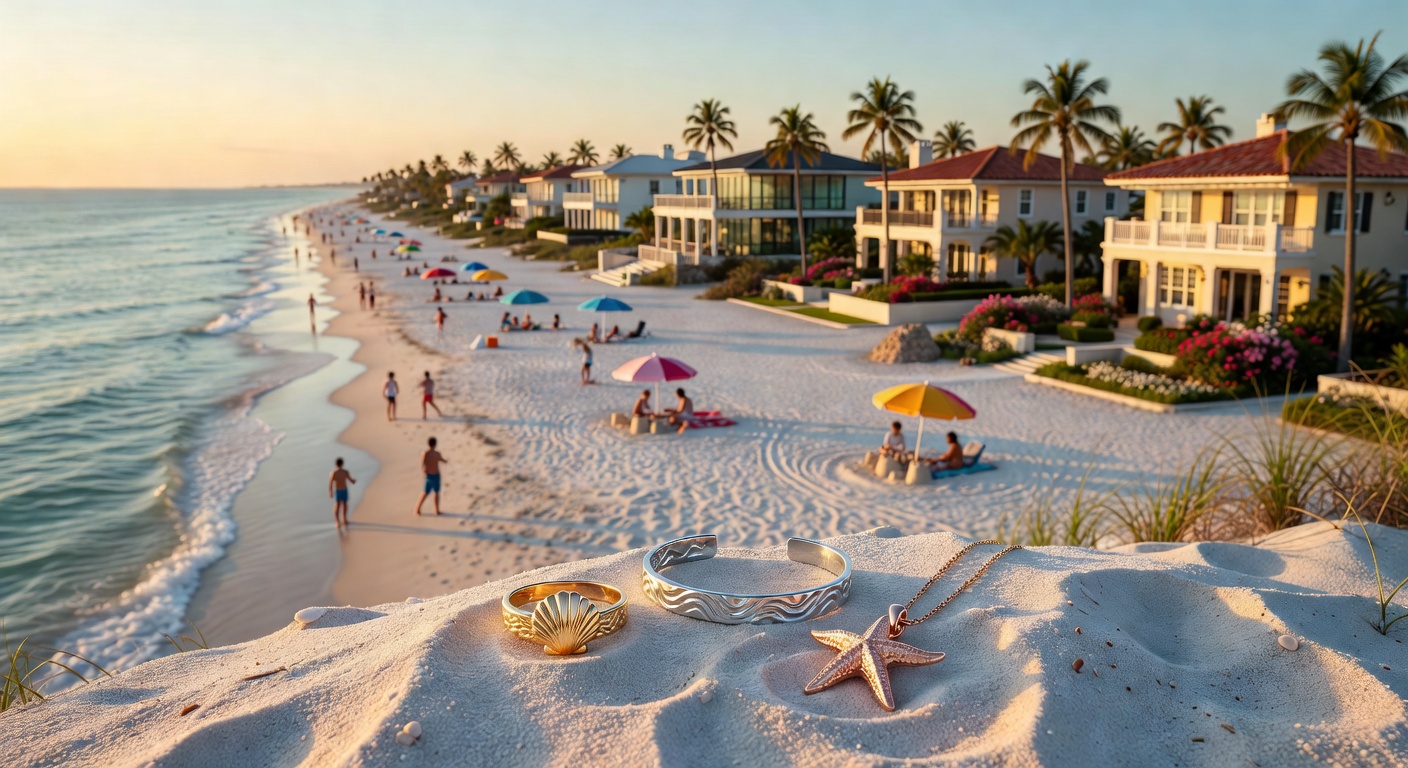
Fine jewelry should be removed before beach visits. Casual pieces made from stainless steel, titanium, or gold-filled materials are more forgiving but still benefit from regular rinsing with fresh water.
Pearl Care in High Humidity
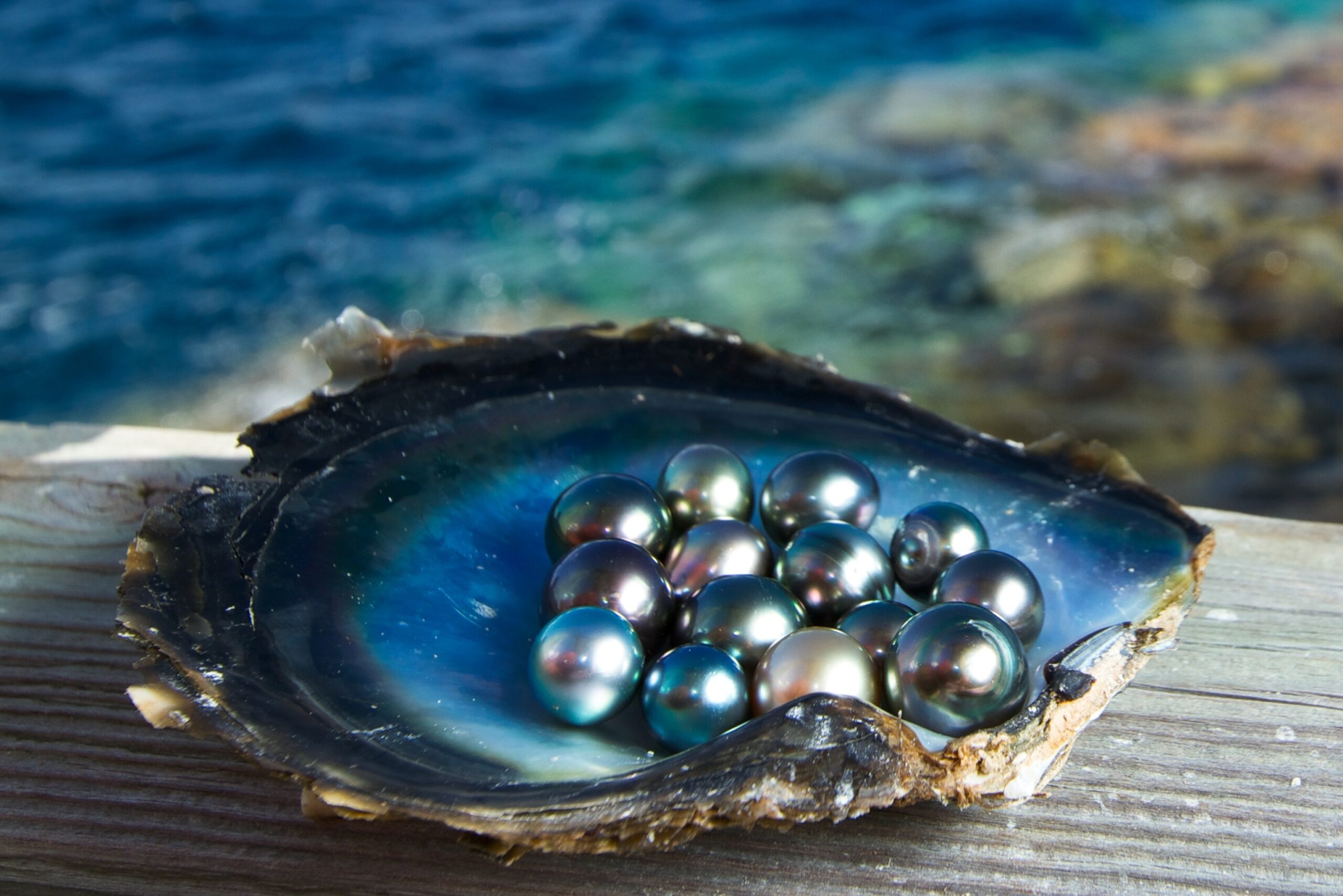
Pearls require special attention in Florida. The high humidity can actually benefit pearls by preventing them from becoming too dry, but chemical exposure from sunscreen, perfume, and hairspray can cause permanent etching of the nacre.
Rule of thumb: Put pearls on last and take them off first. Wipe gently with a soft damp cloth after each wear and store separately from other jewelry.
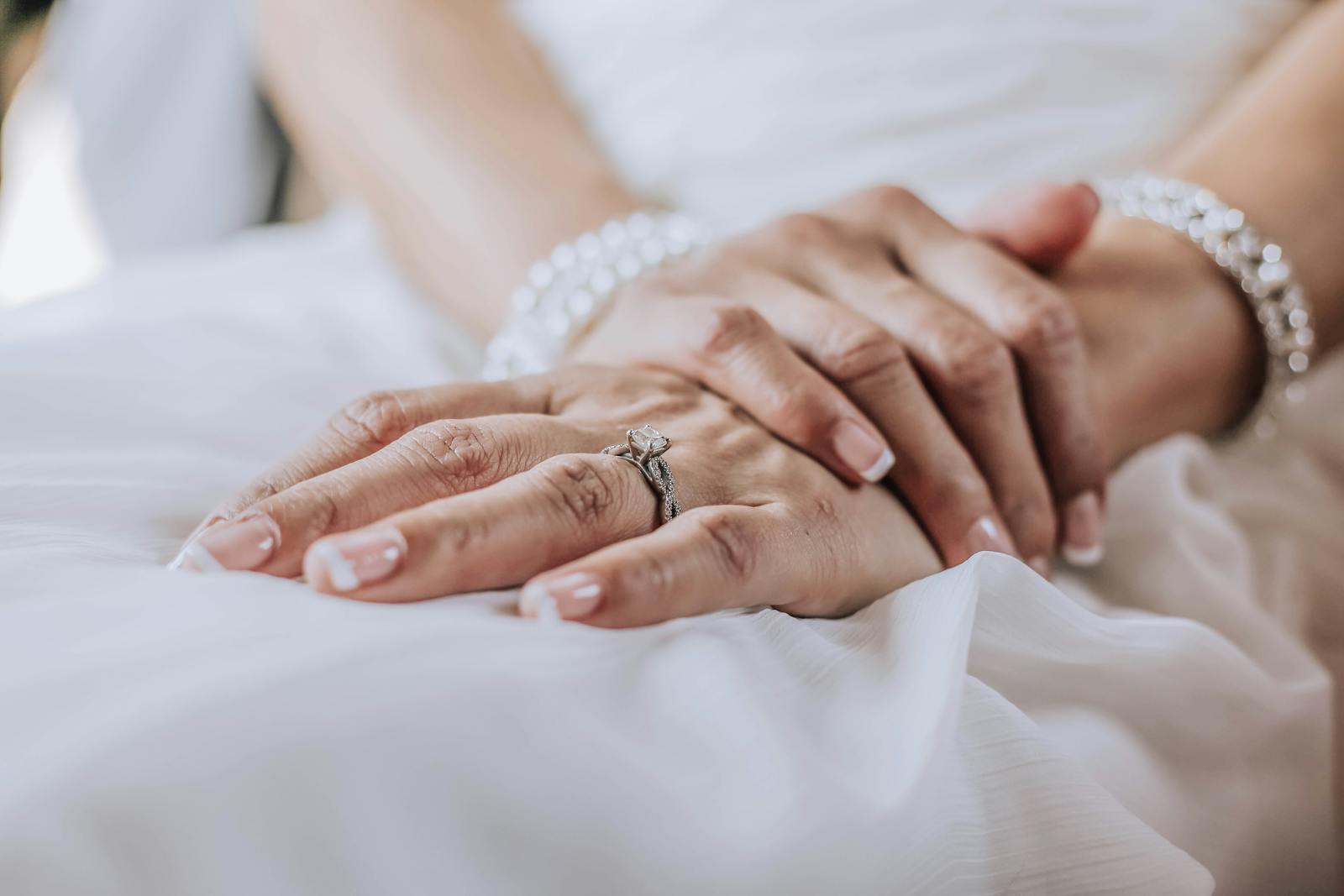
Engagement Rings and Wedding Bands
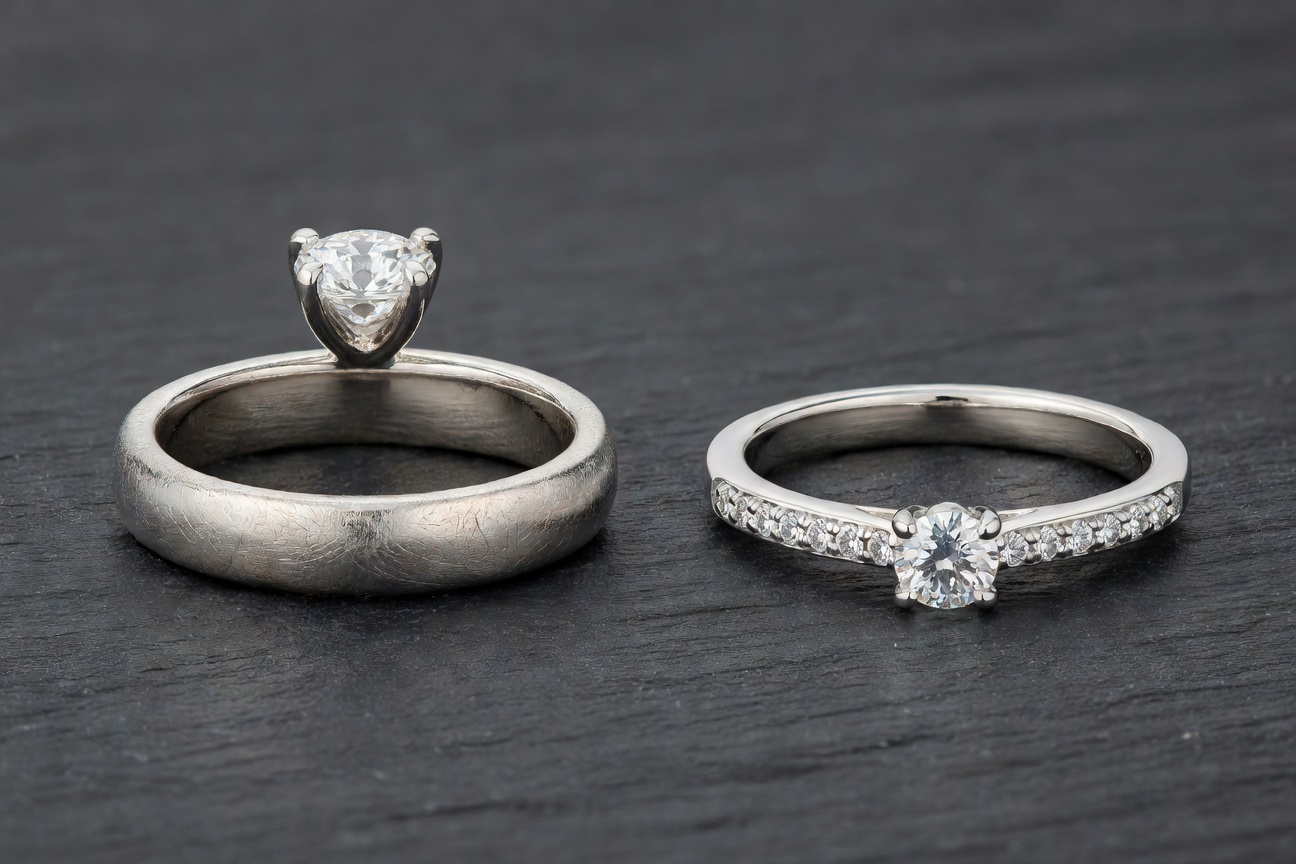
Your most meaningful pieces deserve extra protection. Consider these Florida-specific precautions:
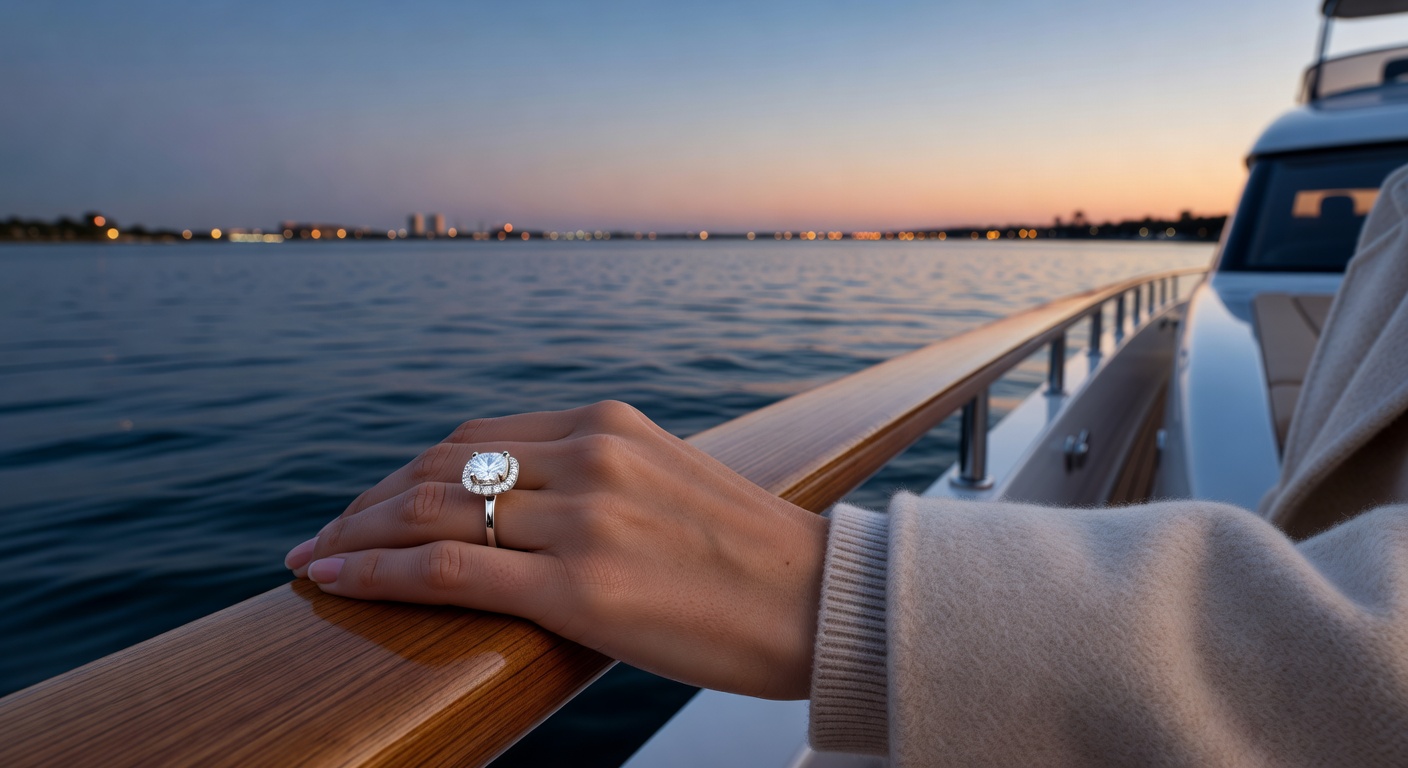
- Remove rings before applying sunscreen
- Have prongs professionally checked twice yearly
- Consider a silicone wedding band for water activities
- Rotate between multiple rings to reduce continuous wear on any single piece
Storage Solutions for Florida Homes
Proper storage is perhaps the most important aspect of jewelry care in humid climates.
Anti-Tarnish Technology
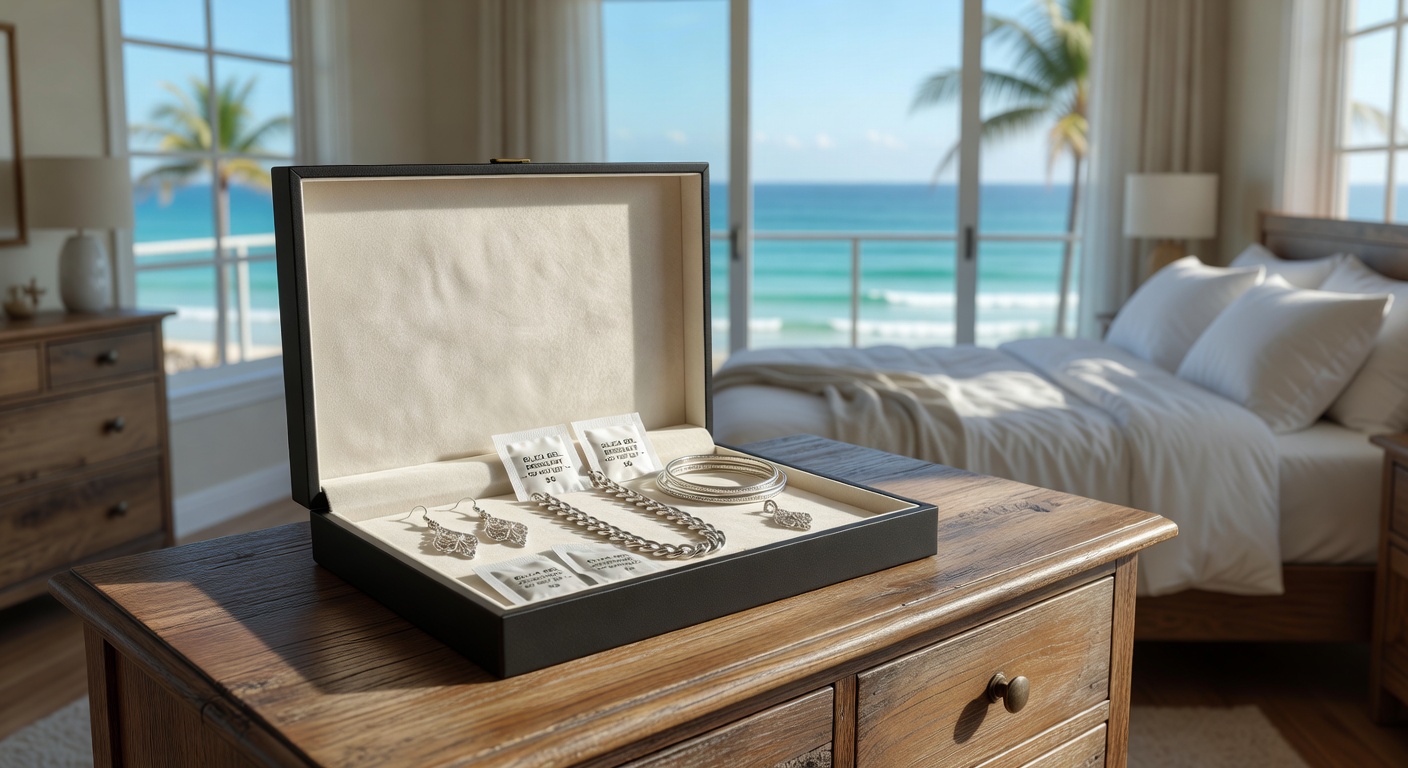
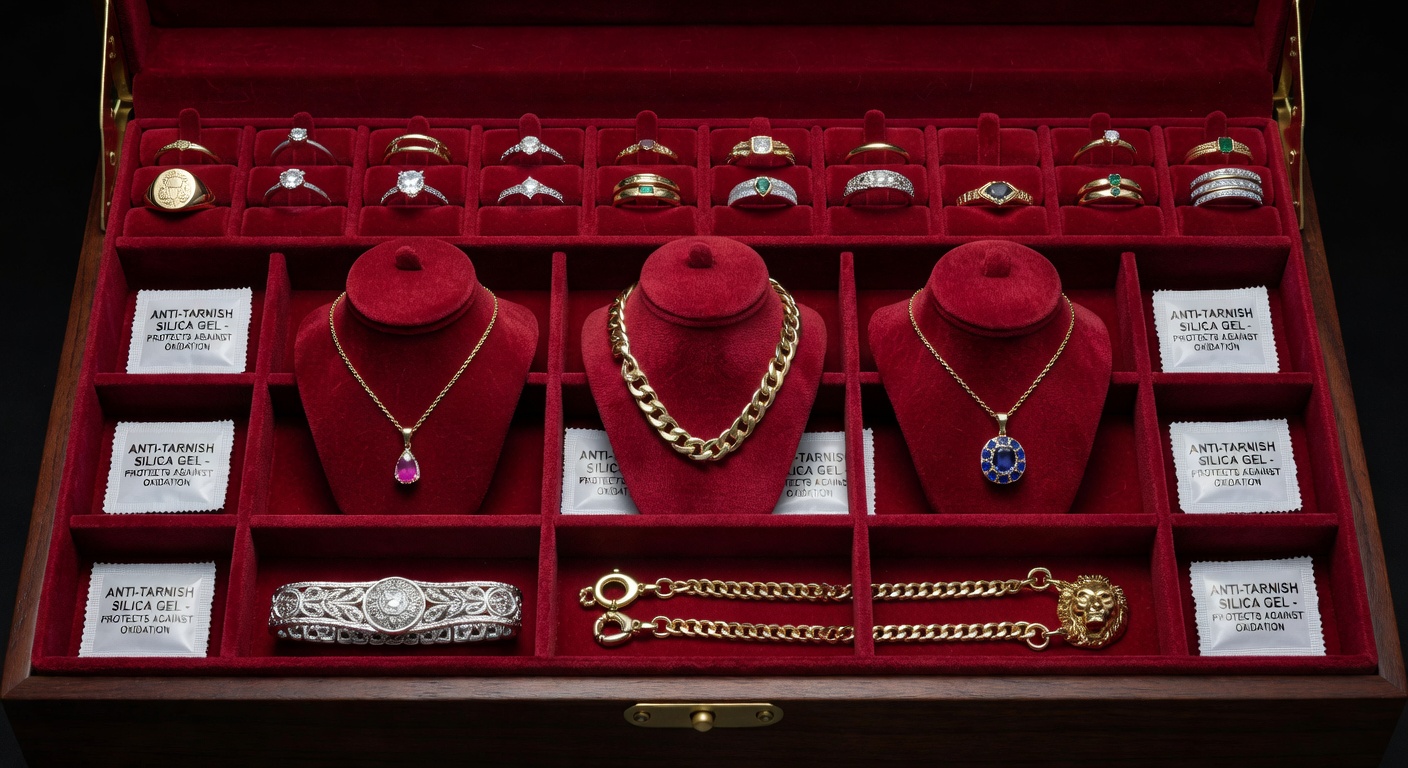
Invest in jewelry boxes with anti-tarnish lining or use anti-tarnish strips that absorb sulfur compounds from the air. These are particularly effective for silver collections.
Climate-Controlled Storage
For significant collections, consider a small dehumidified safe or using silica gel packets in jewelry drawers. Never use plastic bags for long-term storage as they can trap moisture and promote tarnish.
Traveling with Jewelry in Florida
When traveling within the state or visiting the beach, use jewelry rolls with individual compartments and include silica gel packets. Always remove jewelry before swimming in the ocean or pool.
Products That Actually Work in Florida Climate
Not all jewelry cleaners are created equal. Look for products specifically formulated for humid, salty environments. Recommended ingredients include:
- Non-abrasive cleaners with mild pH
- Anti-tarnish compounds
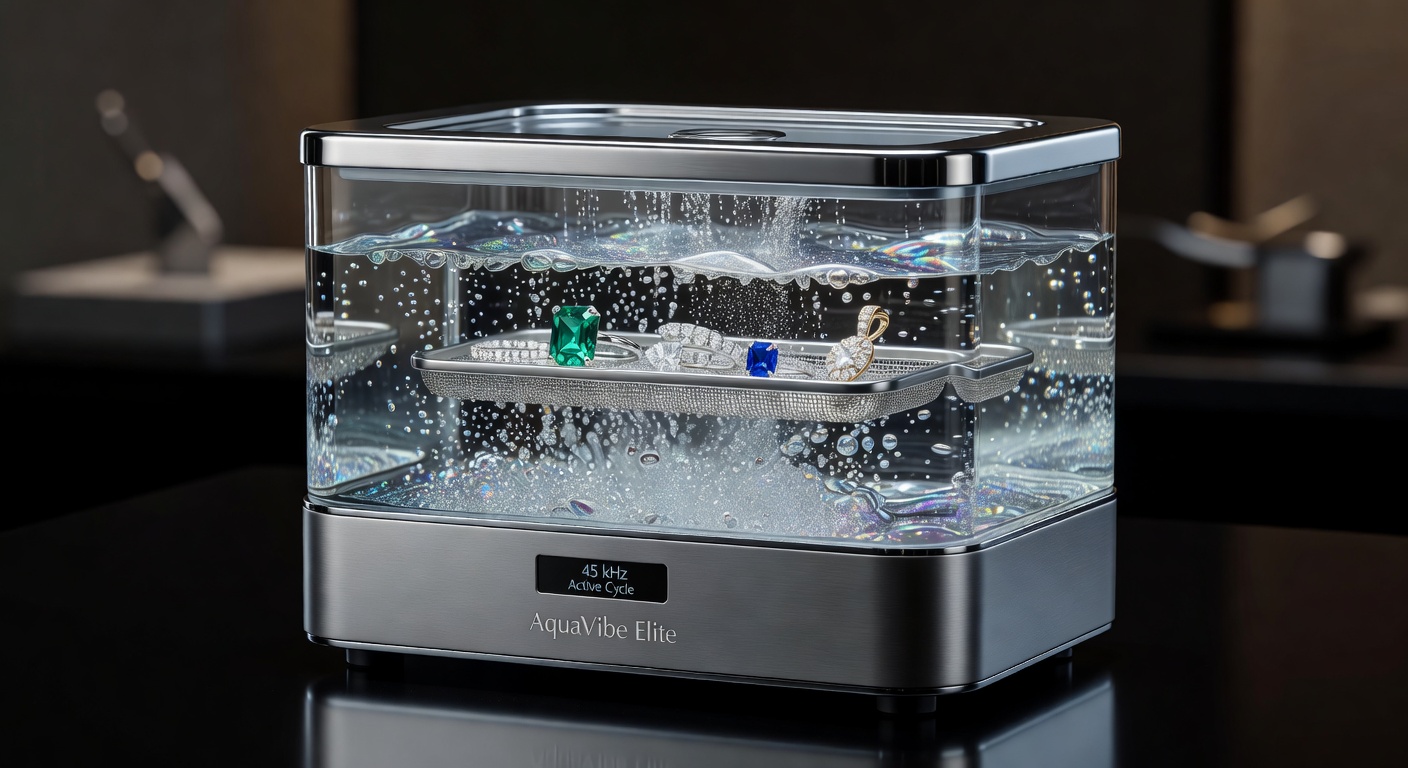
- Ultrasonic cleaners with proper frequency for delicate stones
Avoid harsh chemicals, toothpaste, and bleach-based cleaners that can cause microscopic pitting in metals.
When to Seek Professional Help
Certain signs indicate your jewelry needs immediate professional attention:
- Visible tarnish that doesn’t respond to gentle cleaning
- Cloudy or dull diamonds
- Loose stones or visibly worn prongs
- Discoloration that appears permanent
- Pearls that have lost their luster
A reputable Florida jeweler familiar with coastal challenges will understand the specific wear patterns common in our environment.
Long-Term Protection Strategies
Creating a comprehensive jewelry care system tailored to Florida living involves several key elements:
- Daily removal and gentle cleaning habits
- Proper climate-controlled storage
- Regular professional maintenance
- Knowledge of which pieces to wear in specific conditions
- Quality jewelry insurance that covers environmental damage
Conclusion: Preserving Your Jewelry Legacy in Paradise
Florida’s beautiful but challenging climate doesn’t mean you must sacrifice wearing or enjoying your fine jewelry. With proper knowledge, consistent care routines, and the right cleaning protocols, you can protect your precious pieces from salt air, humidity, and sunscreen damage.
By implementing the strategies outlined in this Florida jewelry care guide, you ensure that your jewelry remains as brilliant and meaningful for future generations as it is to you today. Remember that prevention is always more effective than restoration when it comes to preserving fine jewelry in coastal environments.
Your jewelry tells your story. With the right care, it will continue to shine brightly through many Florida summers to come.