



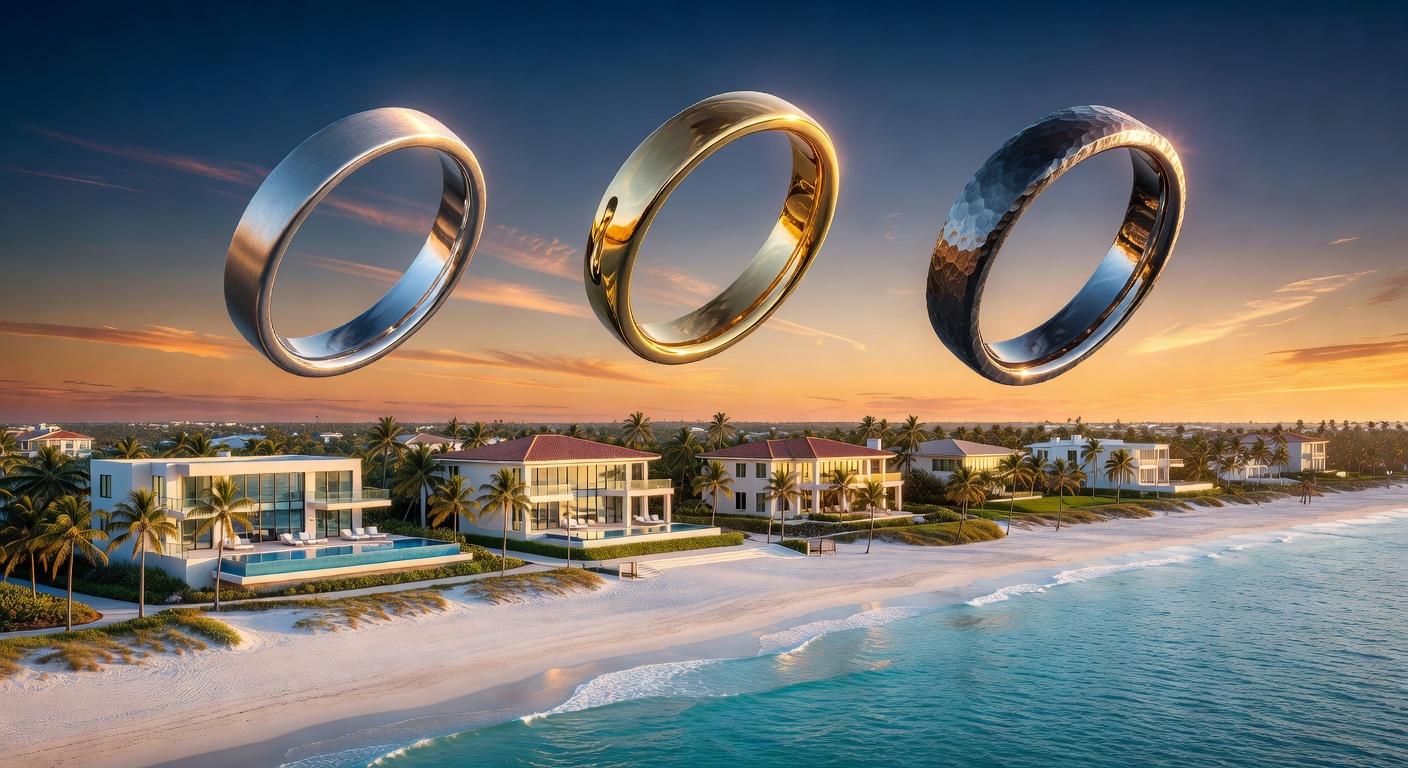

Jewelry Care Guide for Florida Climate 2026: Protecting Fine Jewelry in Naples & Marco Island
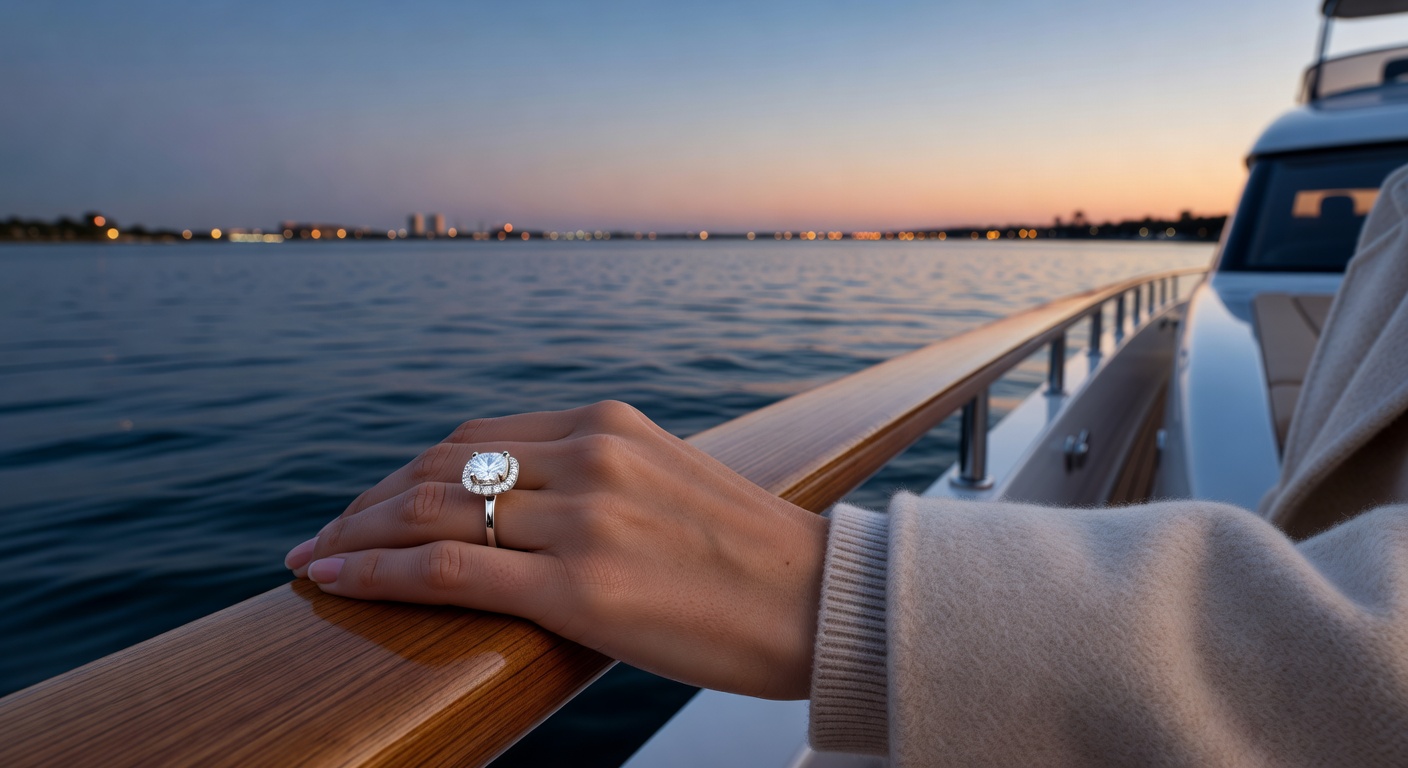
Living in paradise comes with a hidden cost for jewelry lovers. The same stunning Gulf waters, warm breezes, and year-round sunshine that make Naples and Marco Island so desirable can gradually damage even the finest pieces. Our comprehensive jewelry care guide has been fully updated for 2026 with the latest protocols developed specifically for Southwest Florida’s challenging coastal climate.
Whether you own heirloom diamonds, delicate gemstones, luxury watches, or everyday gold and silver, this guide will help you preserve both the beauty and value of your collection for generations to come.
Image Grid 1
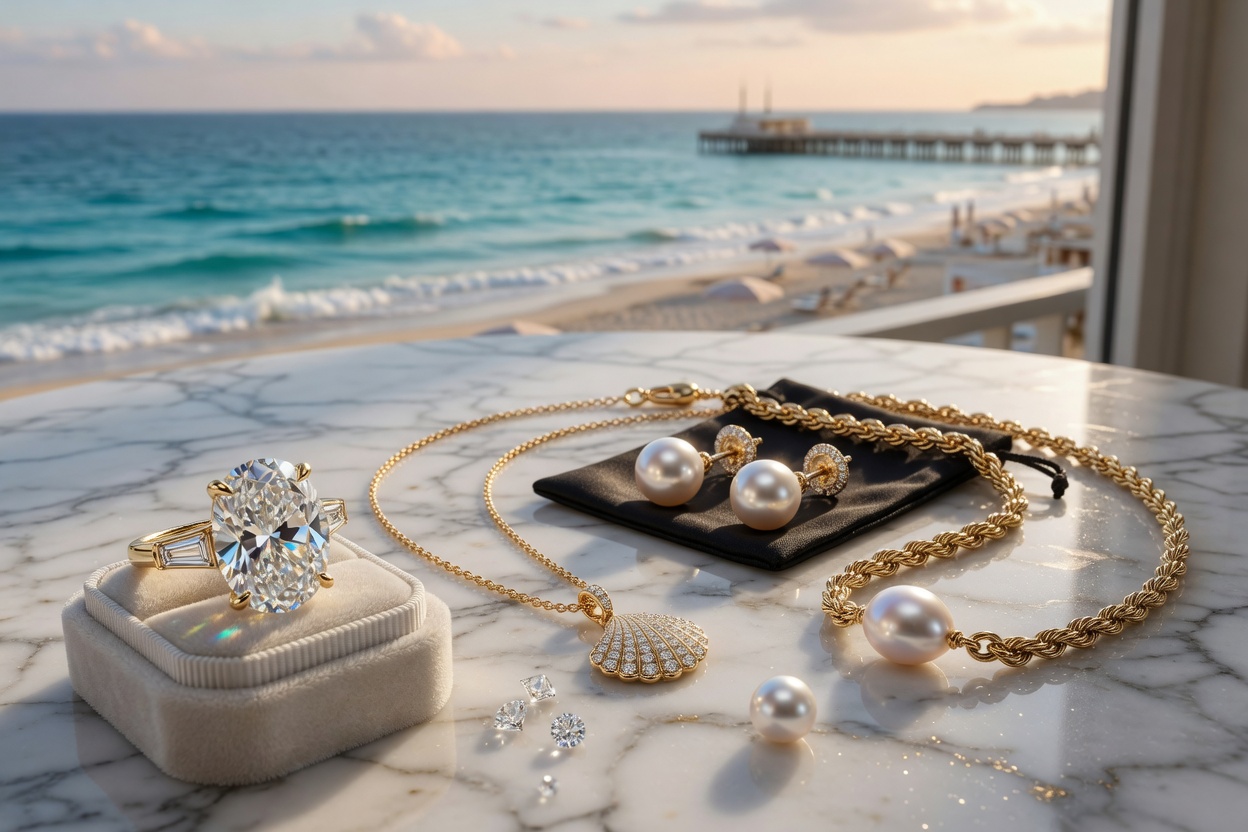


Why Florida’s Climate Is Particularly Tough on Jewelry
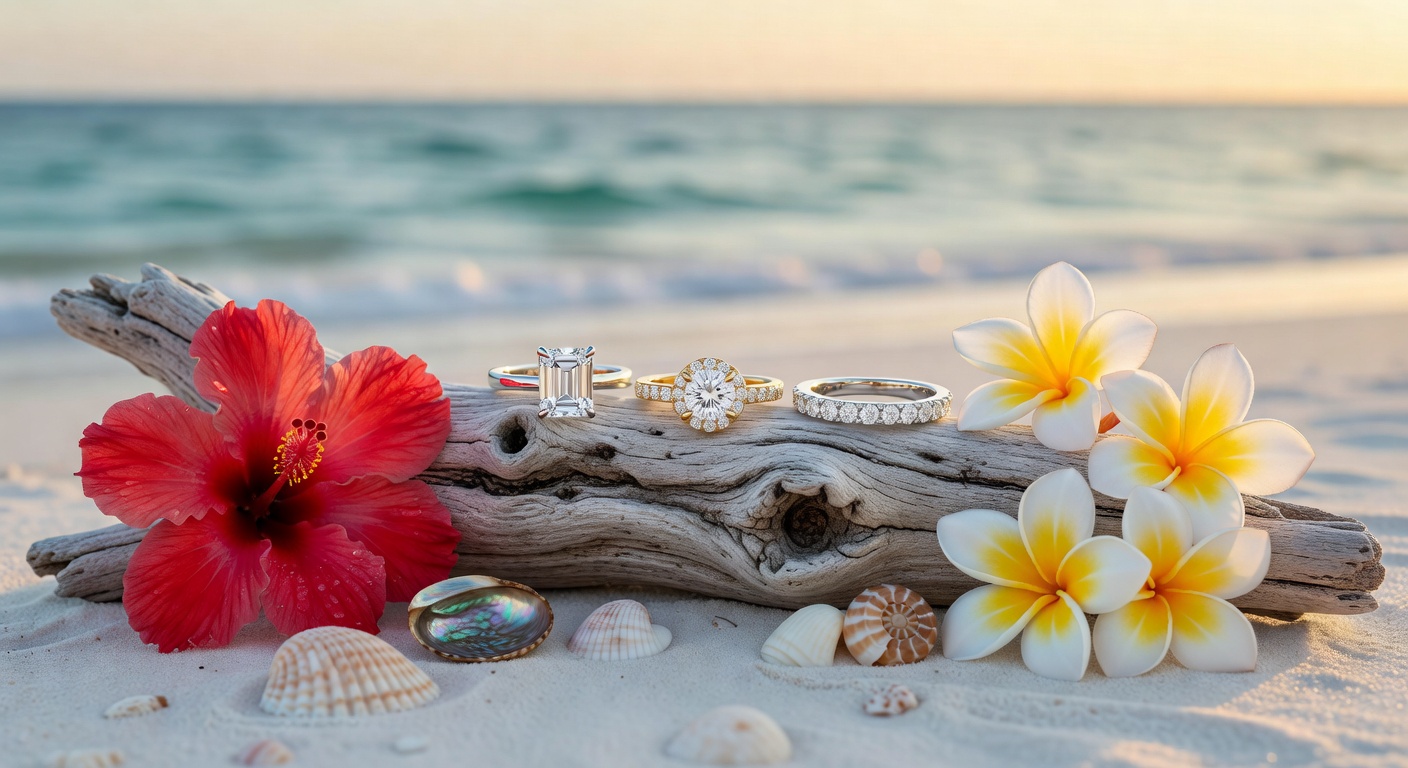
The combination of high humidity, salt-laden air, intense UV exposure, and frequent contact with pool chemicals and sunscreen creates a perfect storm for jewelry degradation. In coastal areas like Naples and Marco Island, these elements work together to accelerate tarnish, corrosion, loosening of settings, and discoloration.
Recent studies conducted by the Gemological Institute of America (GIA) in 2025 confirmed that jewelry exposed to consistent salt air shows 40% faster degradation than pieces kept in inland environments. This updated jewelry care guide addresses these specific regional challenges.
The Four Major Threats to Your Jewelry in Southwest Florida
1. Salt Air and Corrosion
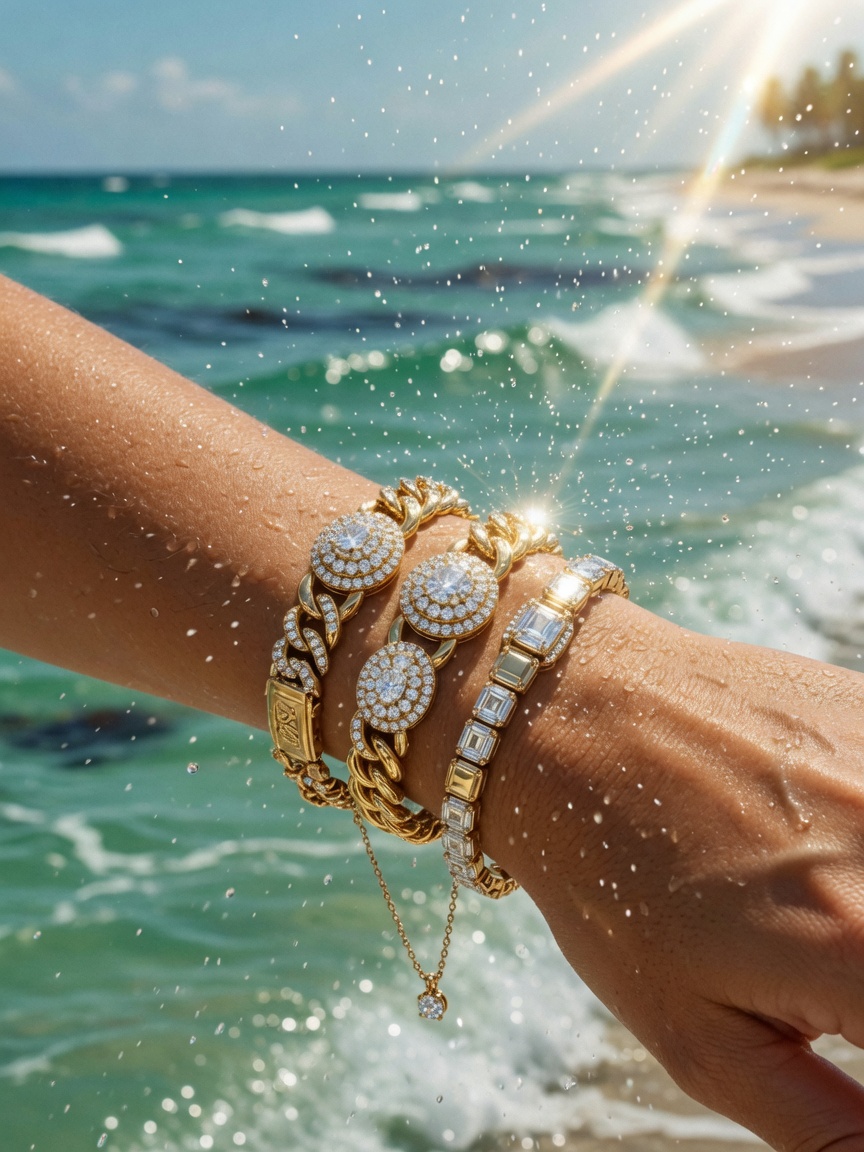
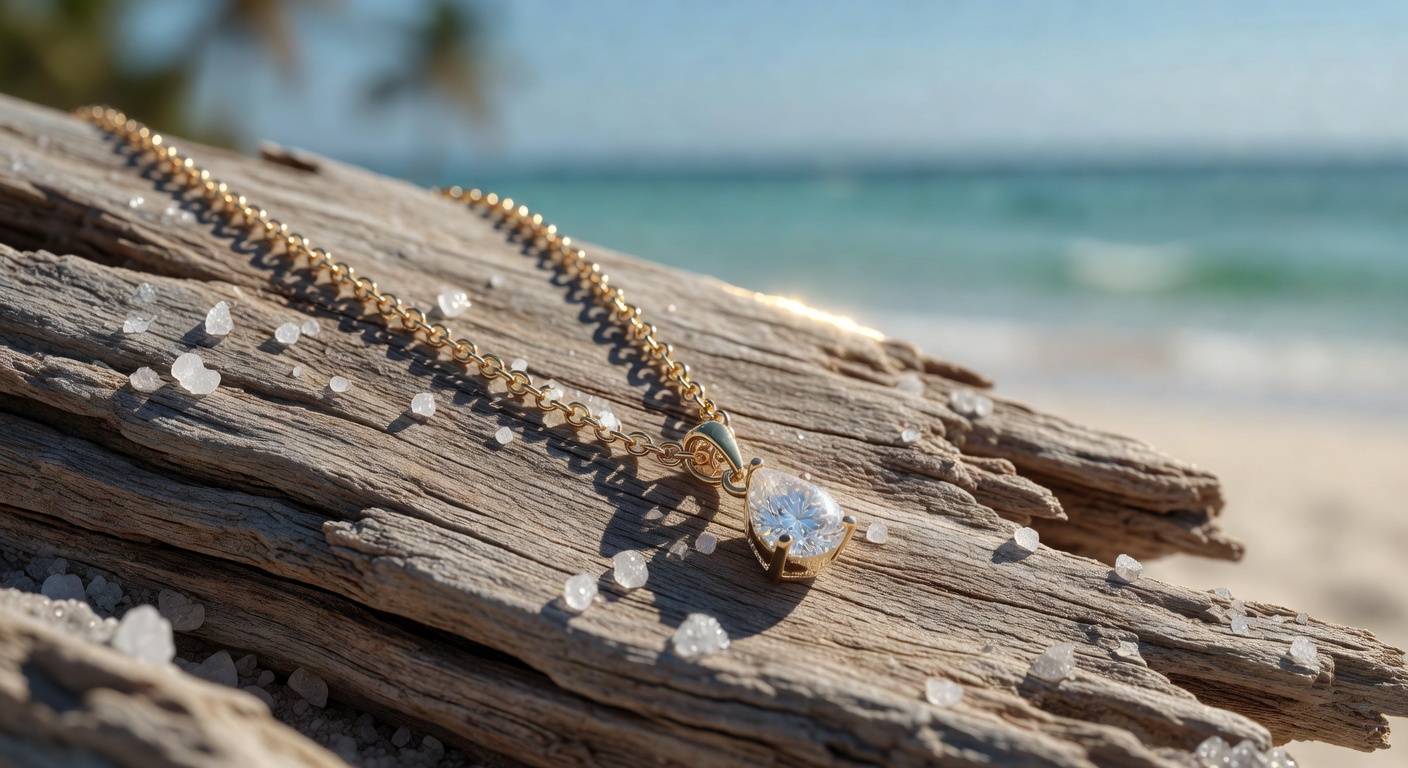
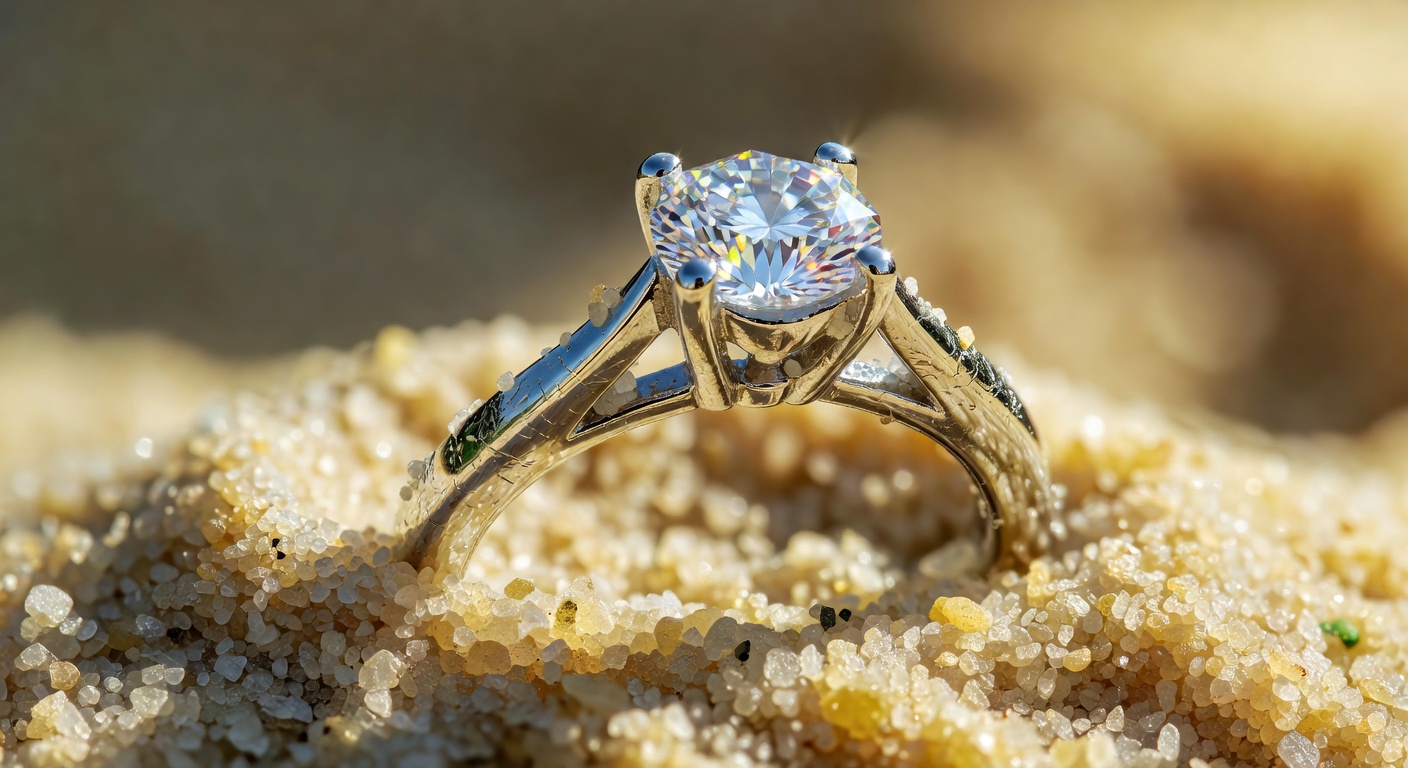
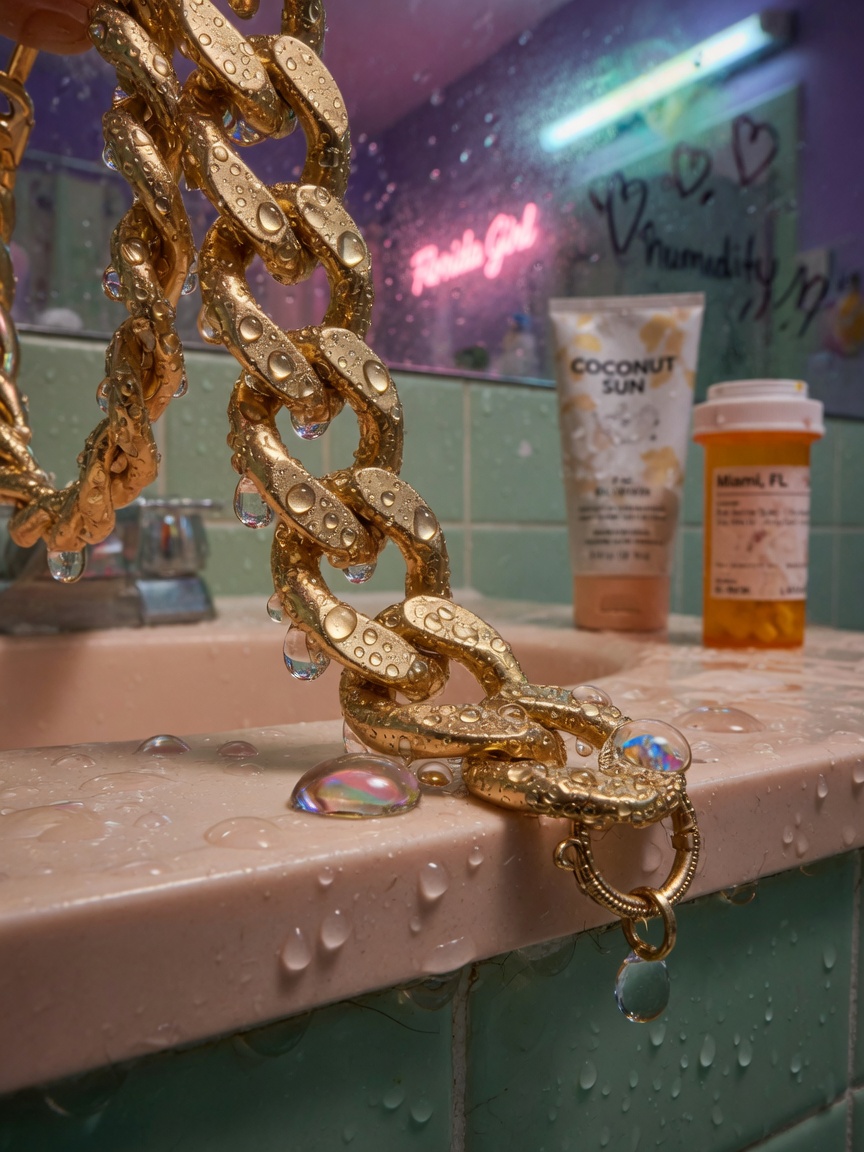
The salty sea breeze that feels refreshing actually deposits microscopic salt crystals on your jewelry. These crystals attract moisture and create a corrosive environment, especially damaging to sterling silver, base metals, and certain gem settings.
Image Grid 2


2. High Humidity and Moisture
With average humidity often exceeding 80% for much of the year, moisture can penetrate even seemingly solid pieces. This leads to tarnishing, oxidation, and in some cases, internal damage to pearls and porous gemstones.
3. Sunscreen and Chemical Interactions
The ingredients in most sunscreens can be surprisingly harsh on precious metals and gemstones. Many common chemical filters react with gold, platinum, and silver, causing discoloration and pitting over time.
4. Pool Chemicals and Chlorine
Swimming pools in Naples and Marco Island often maintain higher chlorine levels due to intense heat. Chlorine is particularly damaging to gold alloys and can cause rapid deterioration of prongs and settings.
Updated 2026 Jewelry Care Protocols
Daily Care Routine for Coastal Living
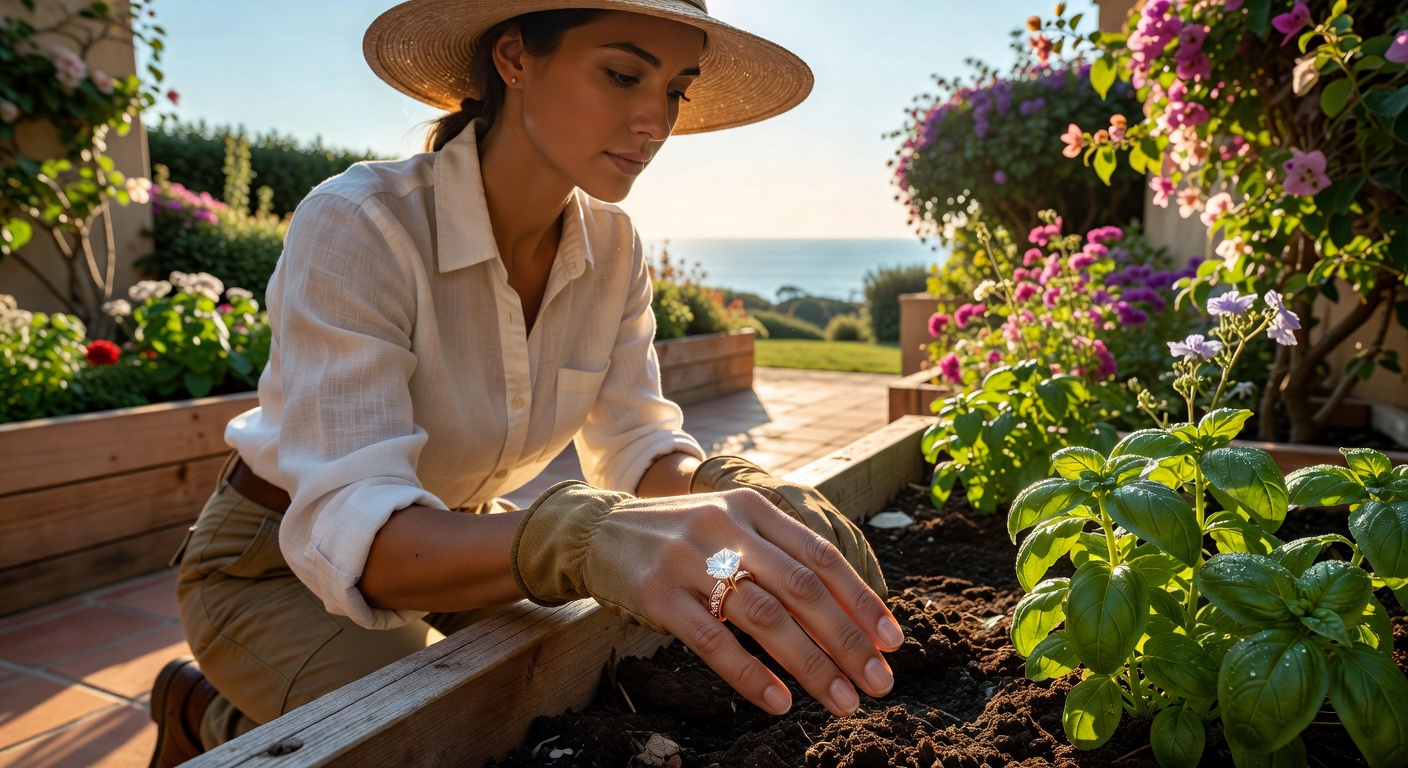
- Remove all jewelry before applying sunscreen, moisturizers, or makeup.
- Take off rings and bracelets before swimming in pools or the ocean.
- Gently rinse jewelry with fresh water after any salt or chlorine exposure.
- Pat dry immediately with a soft, lint-free microfiber cloth.
- Store pieces in individual airtight containers with silica gel packets.
Weekly Maintenance Schedule
According to our 2026 updated protocols, all jewelry should receive the following care:
- Inspect all prongs, settings, and clasps under magnification.
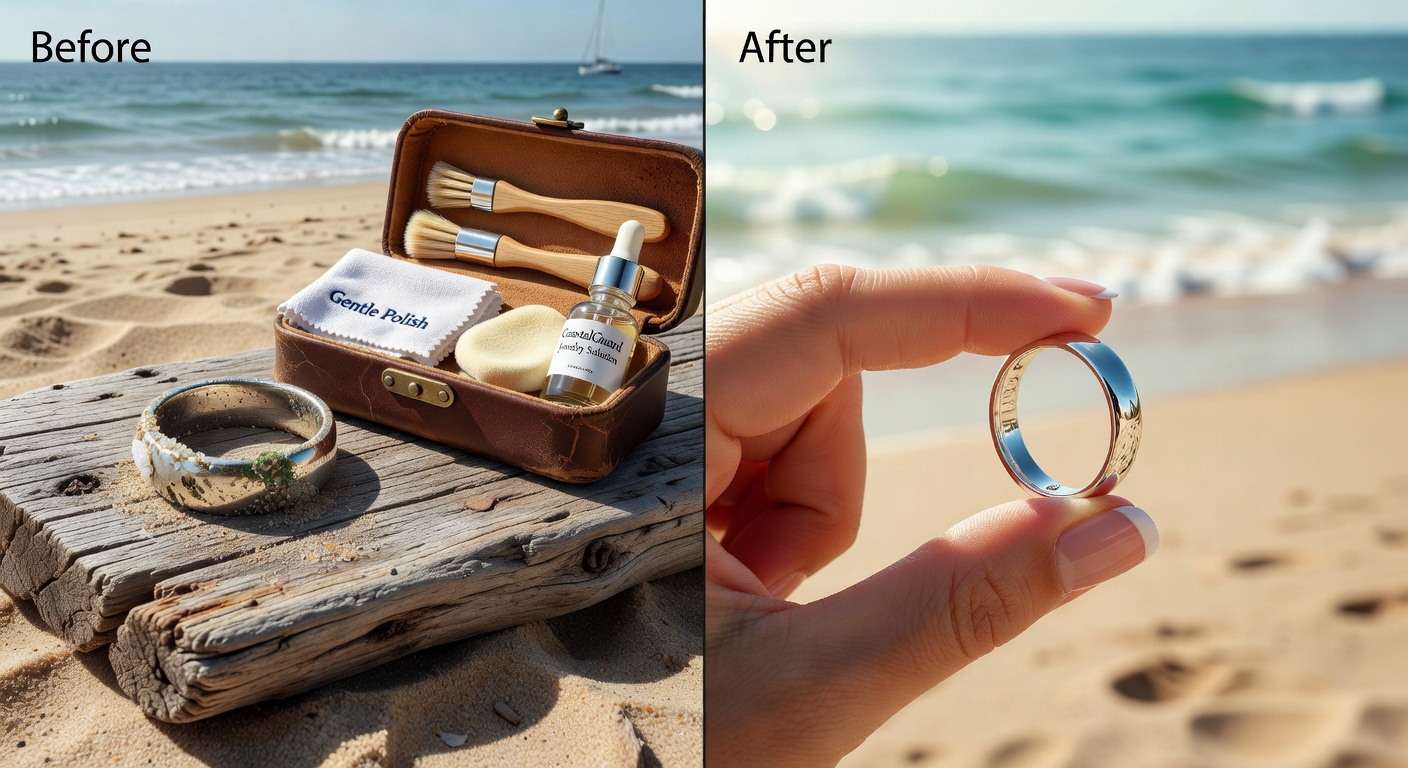
- Clean using a pH-neutral jewelry cleaning solution formulated for coastal environments.
- Use a soft-bristled brush specifically designed for jewelry (never use toothbrushes).
- Polish silver pieces with a high-quality anti-tarnish cloth containing Pacific Blue treatment.
- Check for any signs of discoloration or clouding on gemstones.
Material-Specific Care Instructions
Diamond Jewelry Care in Humid Climates
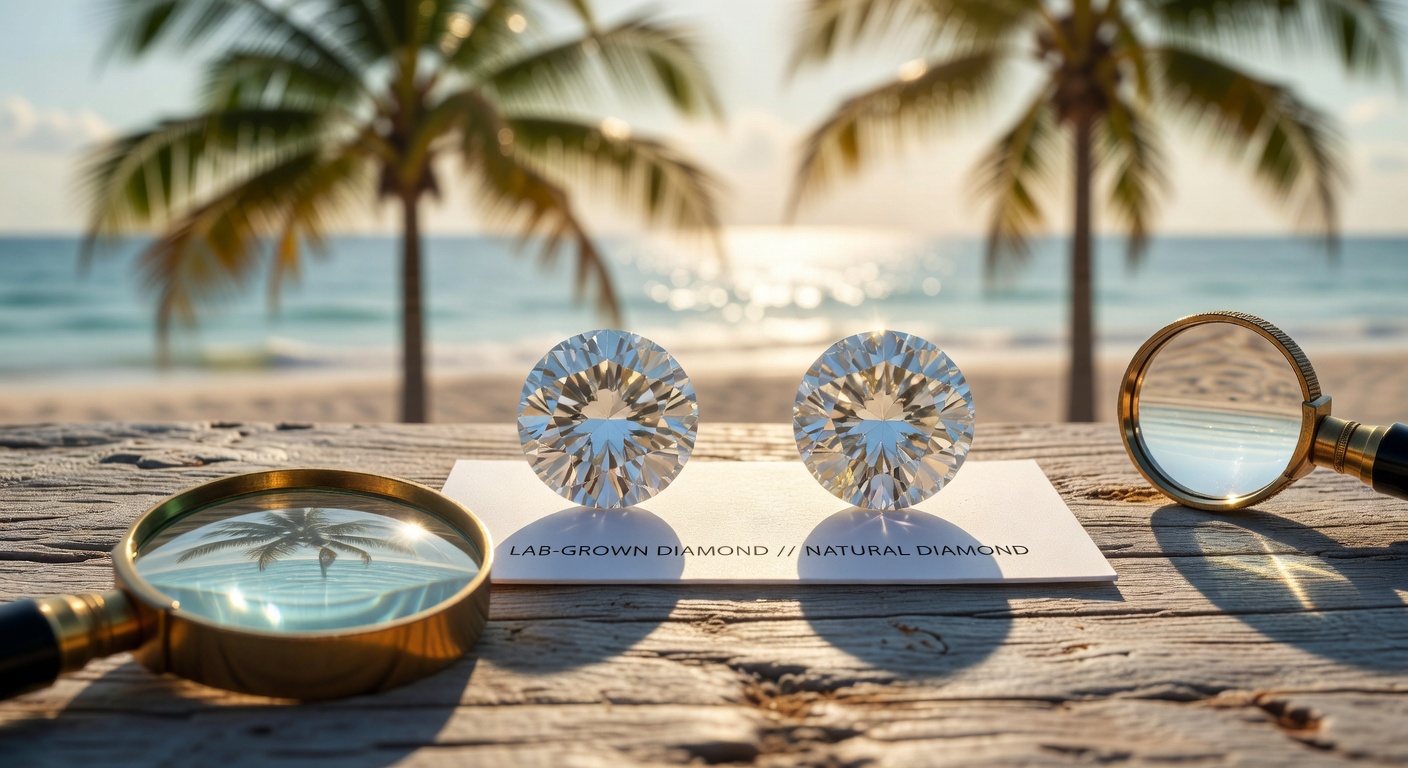
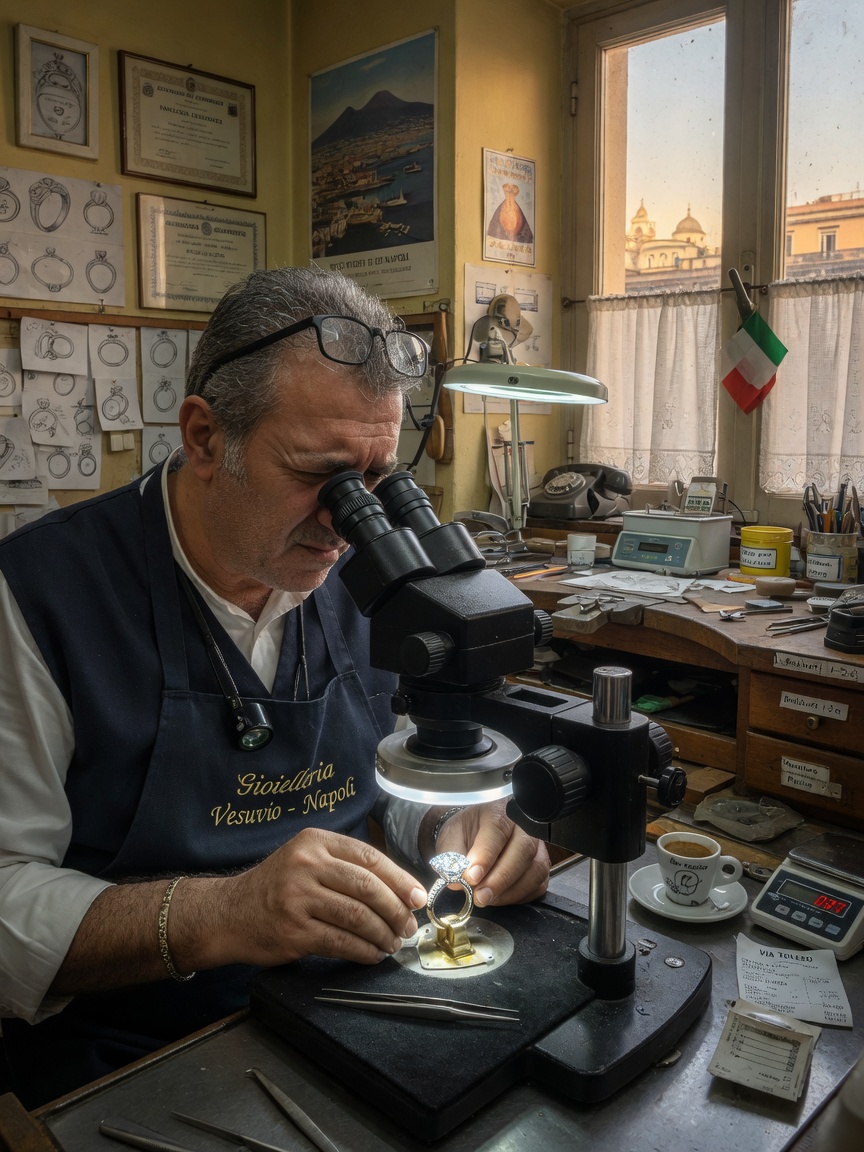
Diamonds themselves are nearly indestructible, but their settings require attention. In Florida’s climate, we recommend professional inspection every six months rather than the traditional yearly check. The combination of salt air and humidity can loosen settings faster than many realize.
Gold and Platinum Protection
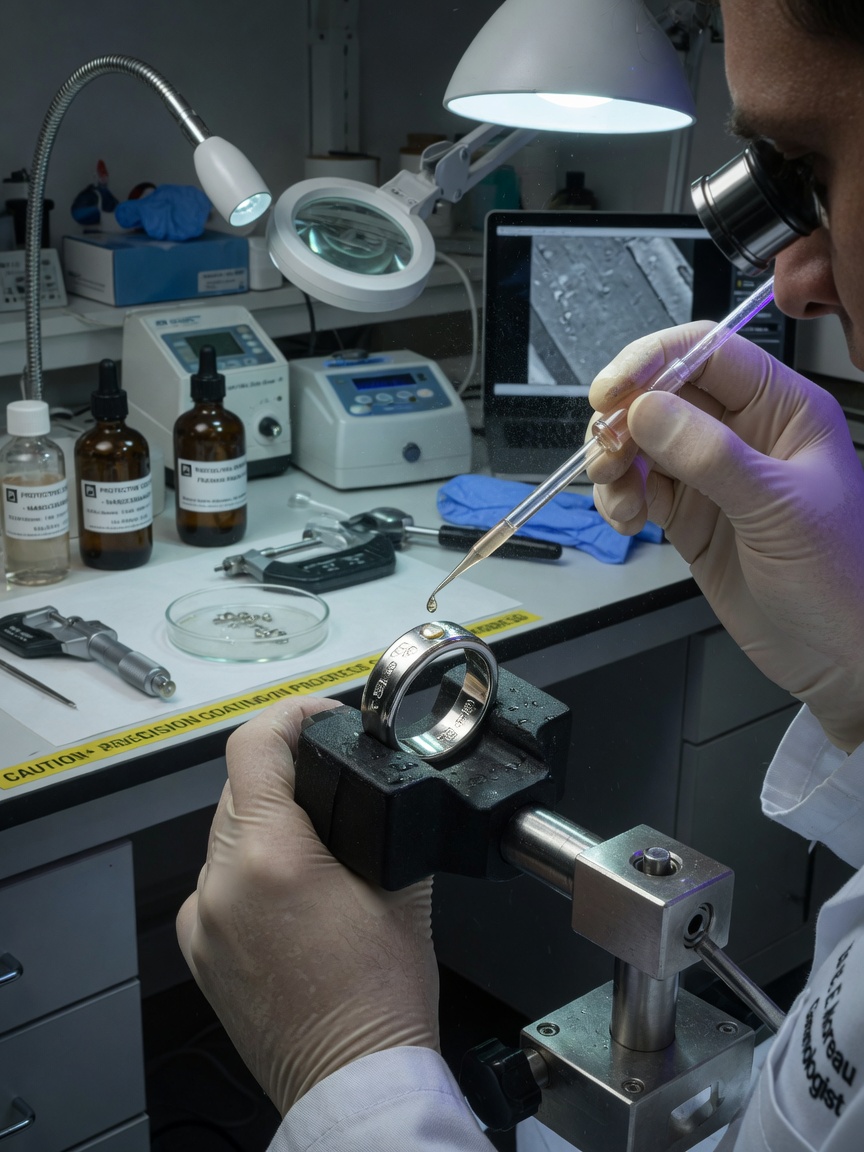
Higher karat gold (18k and above) is softer and more susceptible to scratching and chemical damage. For 2026, we recommend applying a microscopic protective coating (available at select Naples jewelers) that guards against chlorine and salt without affecting appearance.
Sterling Silver in Salt Air
Sterling silver requires the most vigilant care in coastal environments. Consider investing in tarnish-preventing storage solutions and using anti-tarnish strips in every jewelry box. Our updated recommendation is to clean sterling pieces weekly rather than monthly.
Pearls and Organic Gemstones
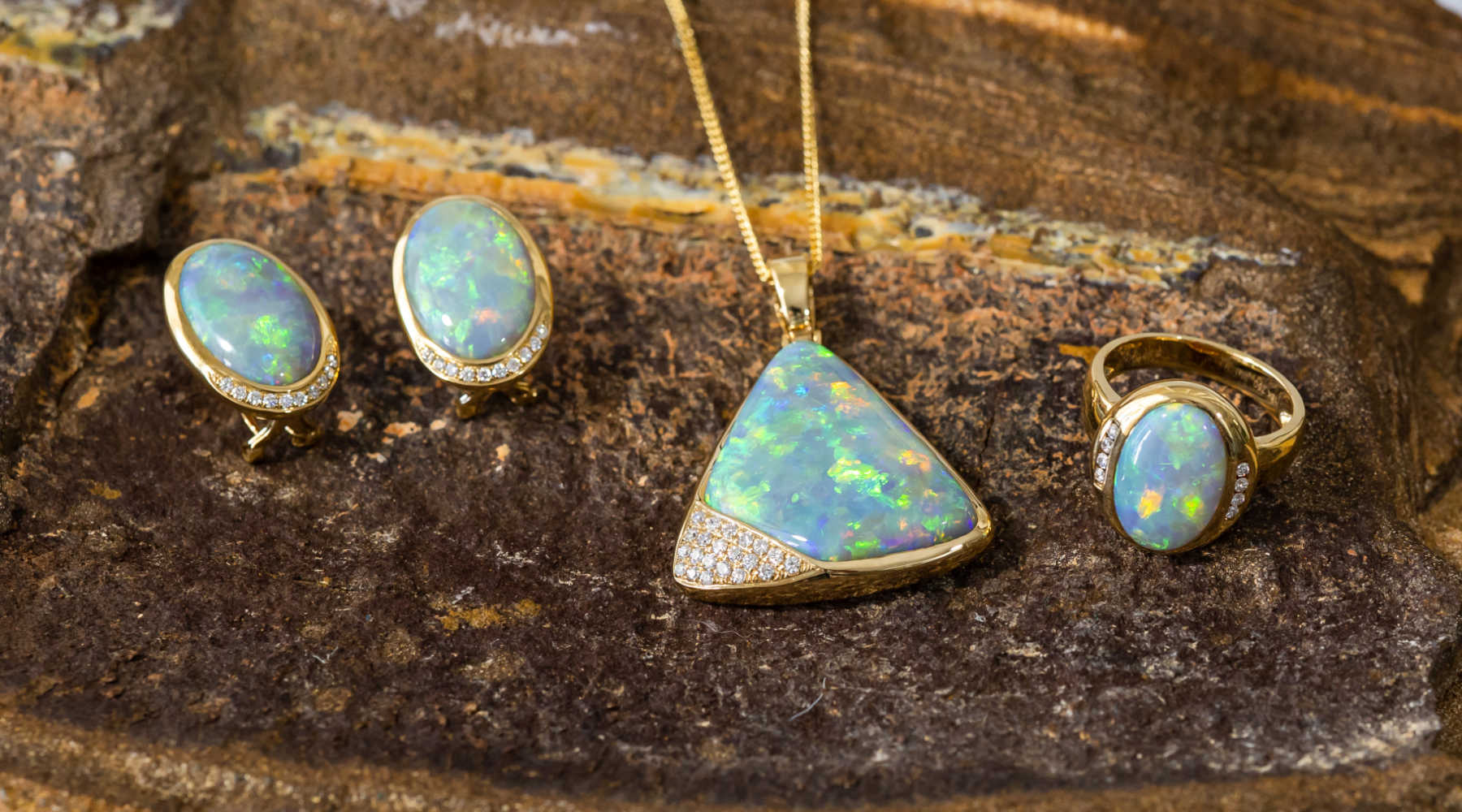
Pearls, opals, emeralds, and other porous stones are particularly vulnerable. Never expose them to pool water, harsh chemicals, or extreme humidity fluctuations. Store them separately in breathable fabric pouches rather than airtight containers.
Professional Jewelry Maintenance in Naples & Marco Island
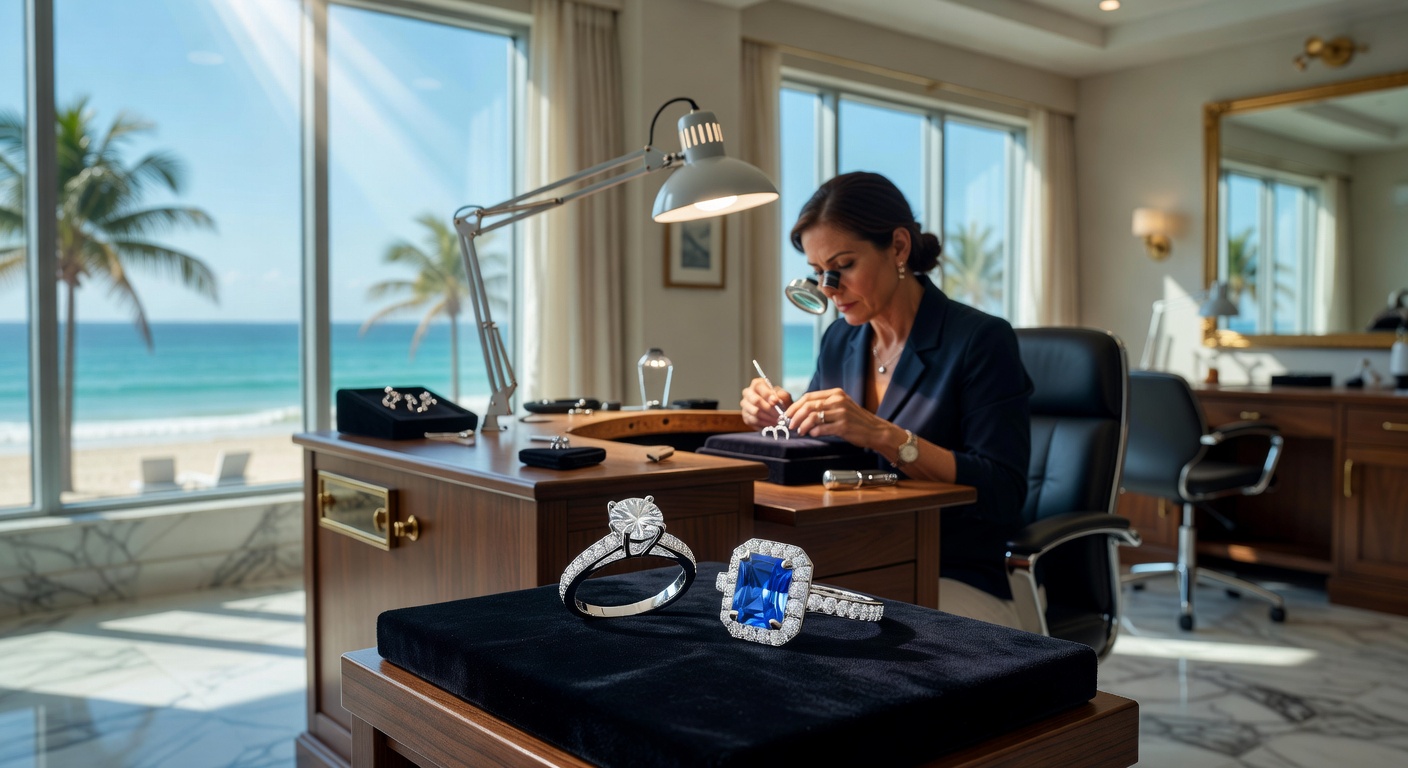
Regular professional care is non-negotiable in Florida’s climate. We recommend scheduling a professional cleaning and inspection every six months with a reputable local jeweler who understands coastal challenges.
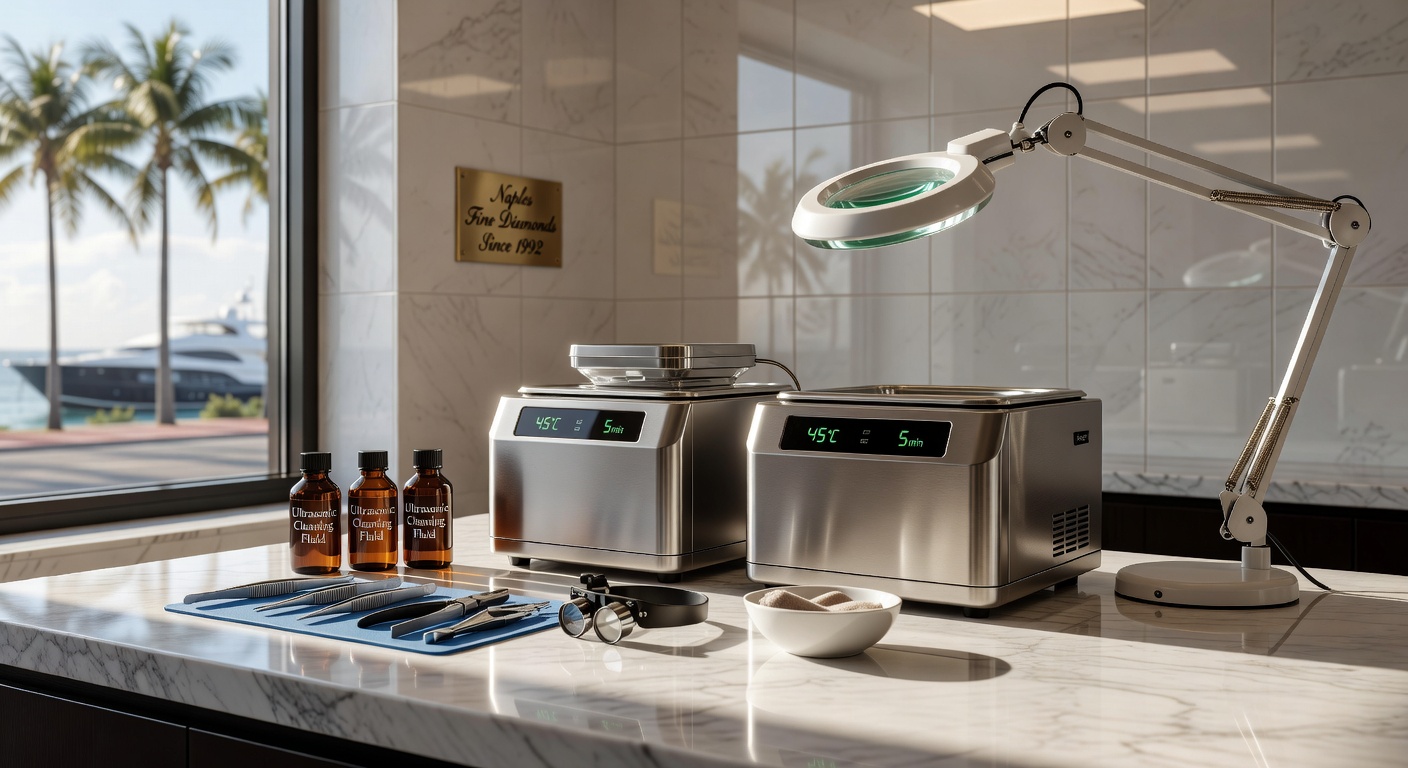
Many Naples and Marco Island jewelers now offer specialized “Florida Climate Protection Packages” that include ultrasonic cleaning with specialized solutions, prong retipping when necessary, and application of protective coatings.
Storage Solutions for Southwest Florida Homes
Proper storage is your first line of defense. Consider these 2026-recommended solutions:
- Dehumidified jewelry safes with UV-protective glass.
- Individual anti-tarnish pouches for each piece.
- Drawer inserts with compartments lined with tarnish-resistant fabric.
- Avoid storing jewelry in bathrooms or near windows where salt air and humidity are highest.
Traveling with Jewelry in Florida
When moving between air-conditioned spaces and outdoor humidity, allow your jewelry to gradually adjust to temperature changes. Sudden shifts can cause condensation inside settings, leading to long-term damage. Always transport fine jewelry in padded, airtight travel cases with moisture-absorbing packets.
Emergency Care: What to Do When Jewelry Gets Wet
If your jewelry has been exposed to salt water or pool chemicals:
- Rinse immediately with distilled water.
- Gently pat dry with a microfiber cloth.
- Place in a dehumidifying container for 24 hours.
- Schedule professional inspection if the piece contains gemstones or intricate settings.
Choosing New Jewelry for Florida Living
When purchasing new pieces, consider these 2026 recommendations:
- Opt for platinum over gold when possible.
- Choose higher quality metals (18k+ gold or platinum).
- Select gemstones with high hardness ratings (7+ on Mohs scale).
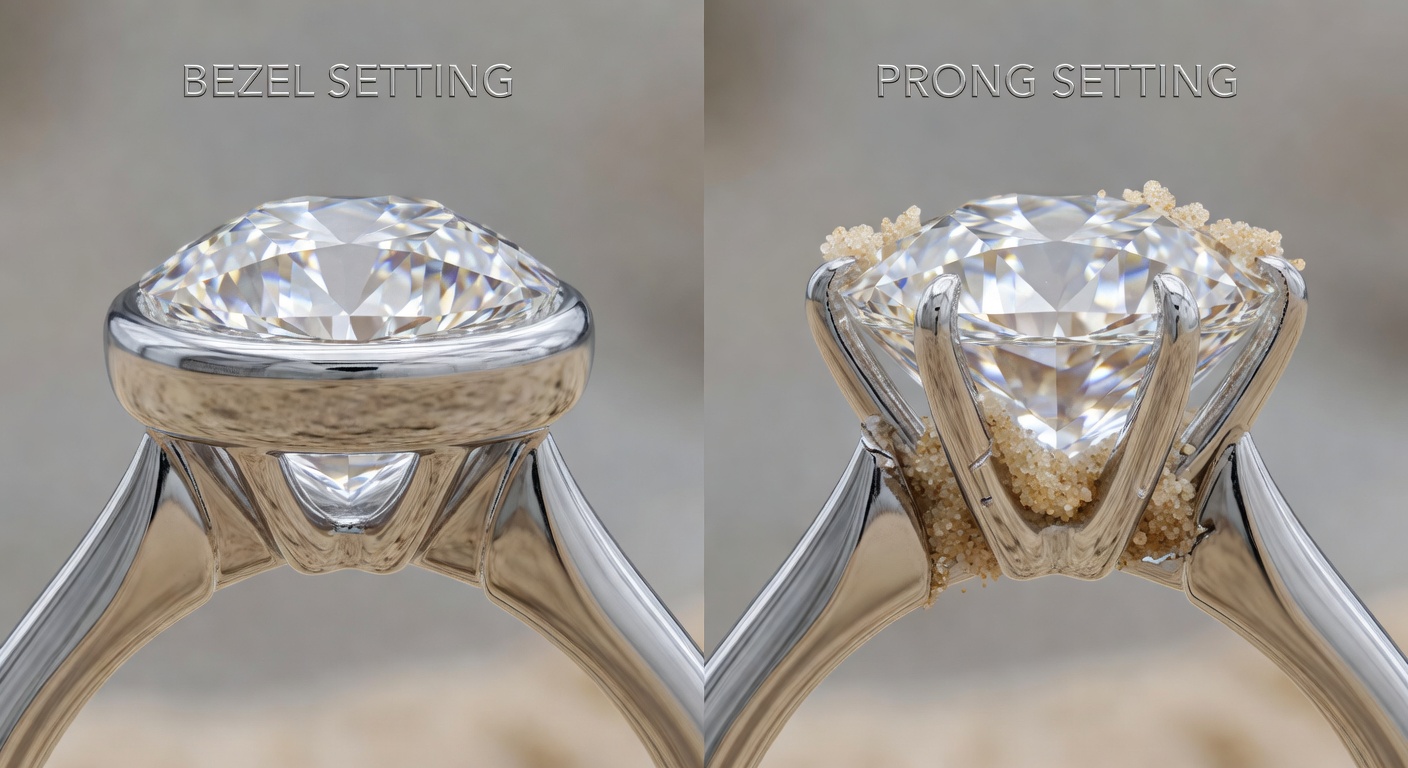
- Consider tension-set or bezel-set designs over prong settings.
- Look for jewelry specifically marketed as “coastal resistant.”
Conclusion: Preserving Your Treasures in Paradise
With the right knowledge and consistent care, your fine jewelry can thrive even in Southwest Florida’s challenging climate. This updated 2026 jewelry care guide reflects the latest understanding of how salt air, humidity, sunscreen, and pool chemicals affect different materials and offers practical, effective solutions.
By following these protocols, scheduling regular professional maintenance, and choosing appropriate storage solutions, you can ensure that your cherished pieces continue to sparkle for decades to come while enjoying all the beauty that Naples and Marco Island have to offer.
Remember: in Florida’s unique environment, prevention is always better than restoration. A few minutes of careful attention each day can prevent thousands of dollars in repairs and preserve both the beauty and sentimental value of your jewelry collection.