



Jewelry Care Guide for Florida Climate 2026
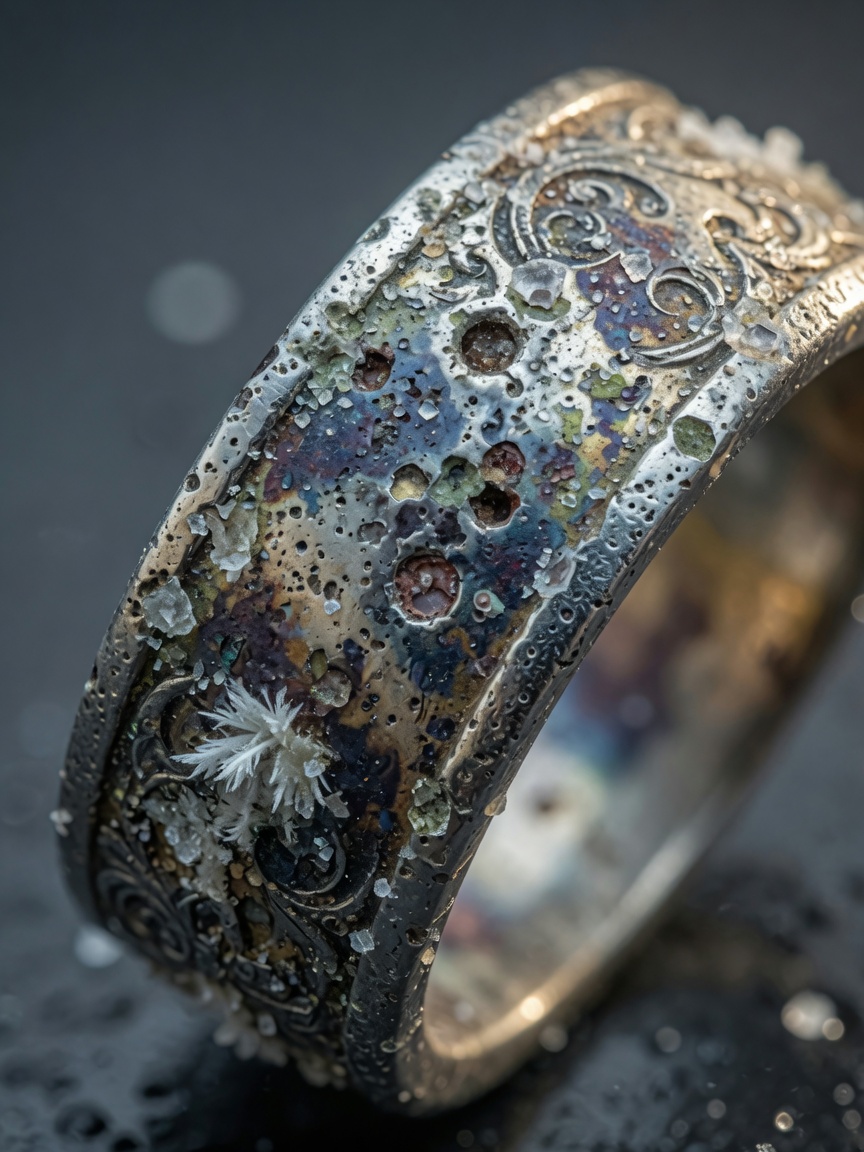
Living in Florida offers sunshine, ocean breezes, and endless days by the water — but these same pleasures create one of the most challenging environments for fine jewelry. Salt air, relentless humidity, powerful sunscreen formulations, and chlorinated pool chemicals can tarnish, corrode, and degrade even the highest-quality pieces. This updated 2026 jewelry care guide delivers the latest protocols designed specifically for Florida’s subtropical climate.
Whether you own heirloom diamonds, delicate gold chains, statement gemstone rings, or everyday sterling silver, following these science-backed practices will dramatically extend the life and beauty of your collection.
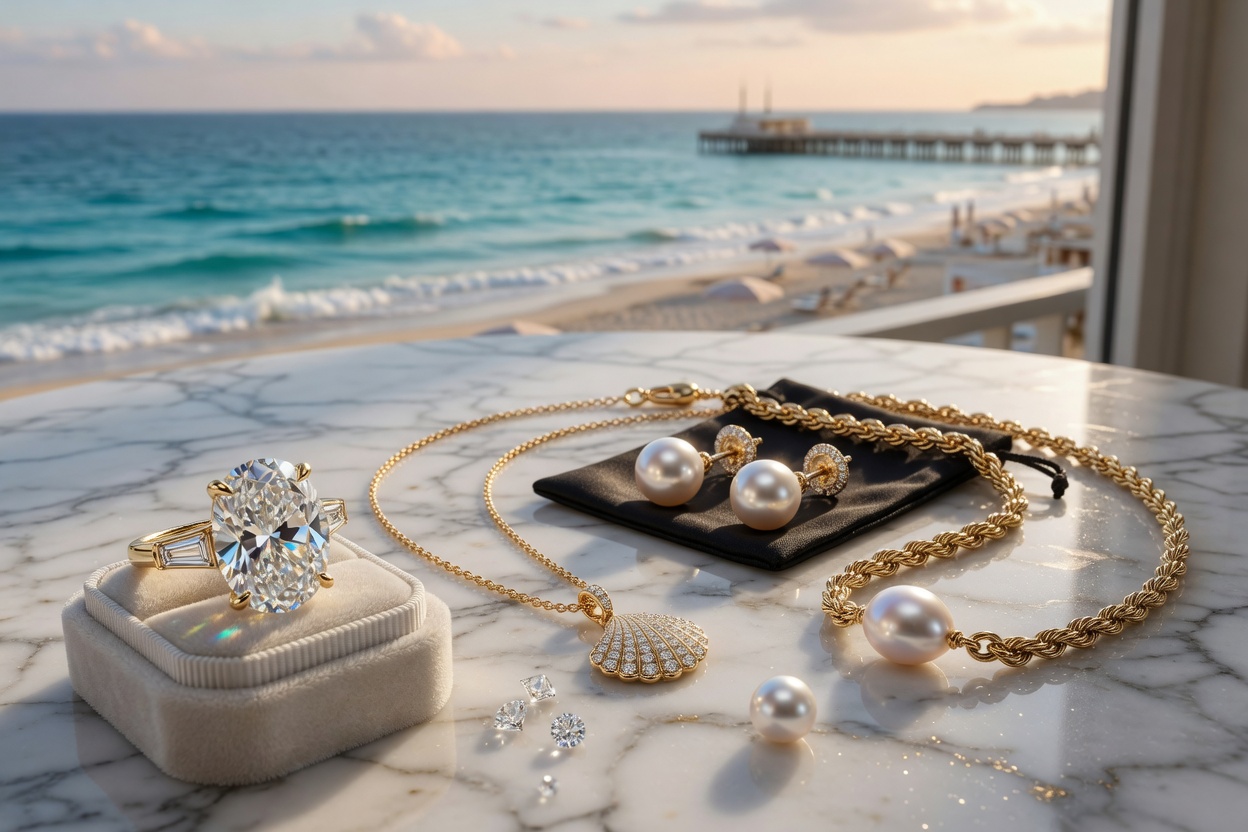
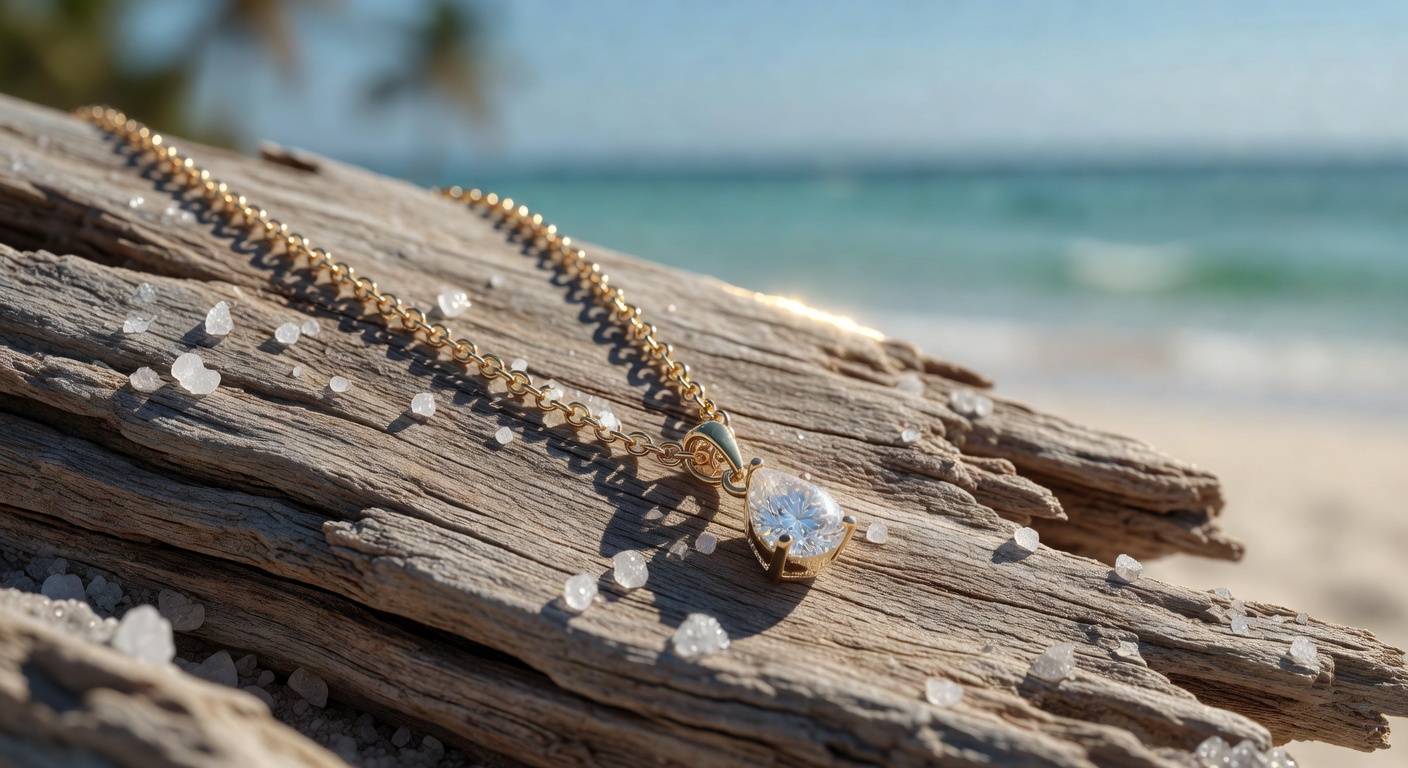
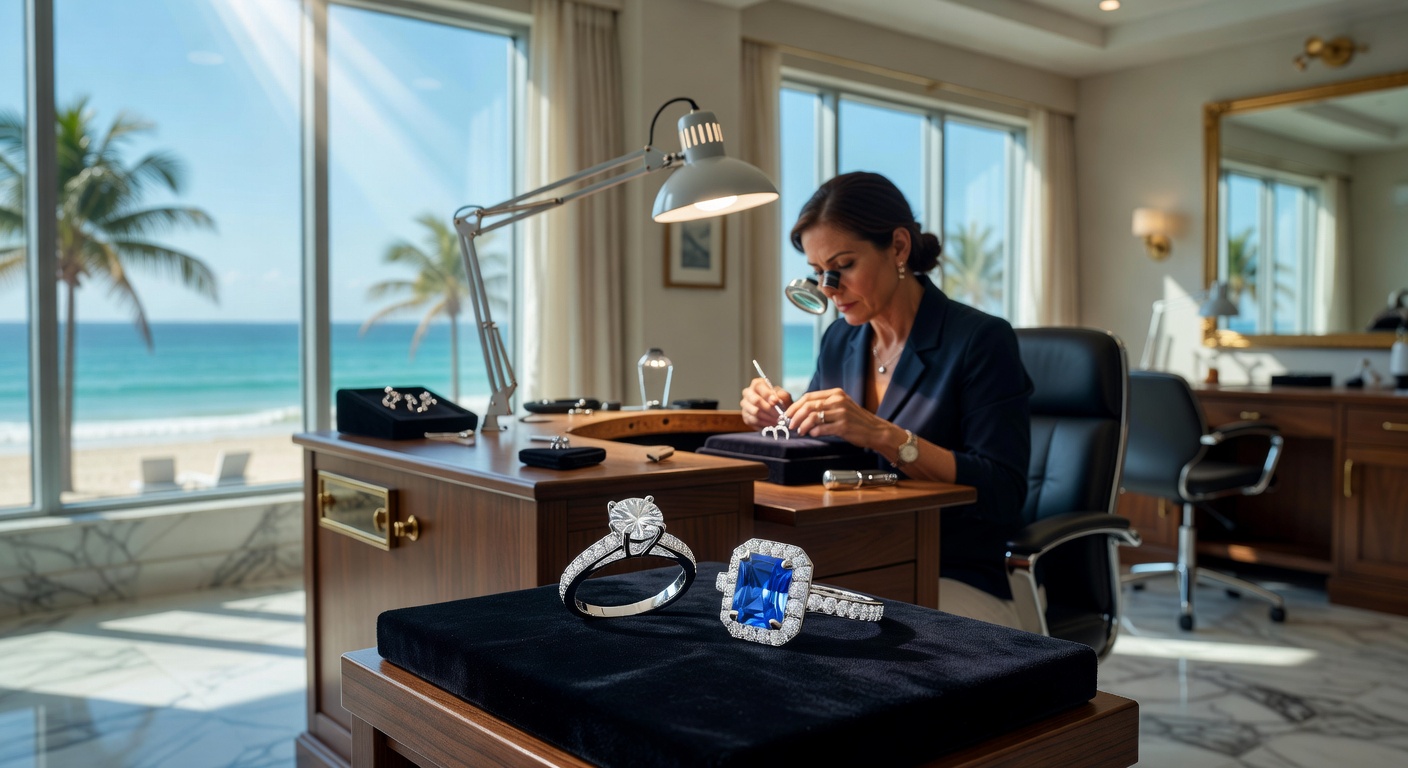
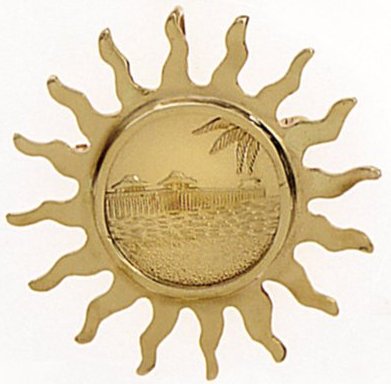
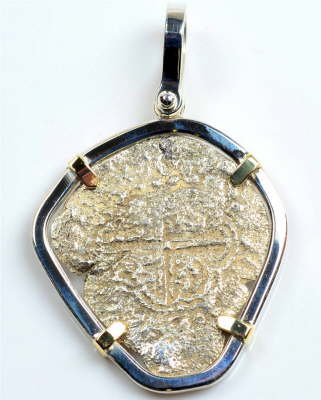
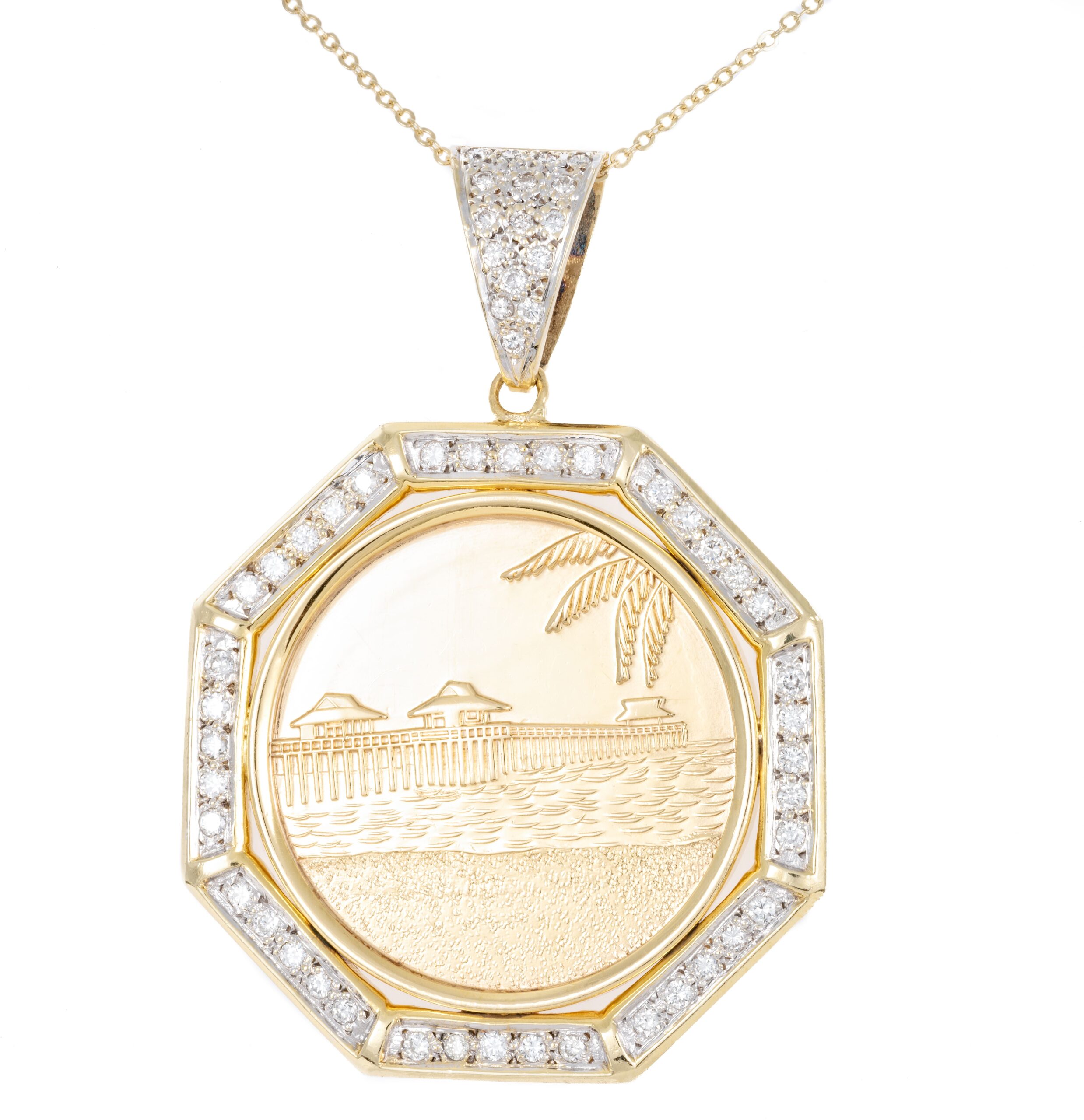
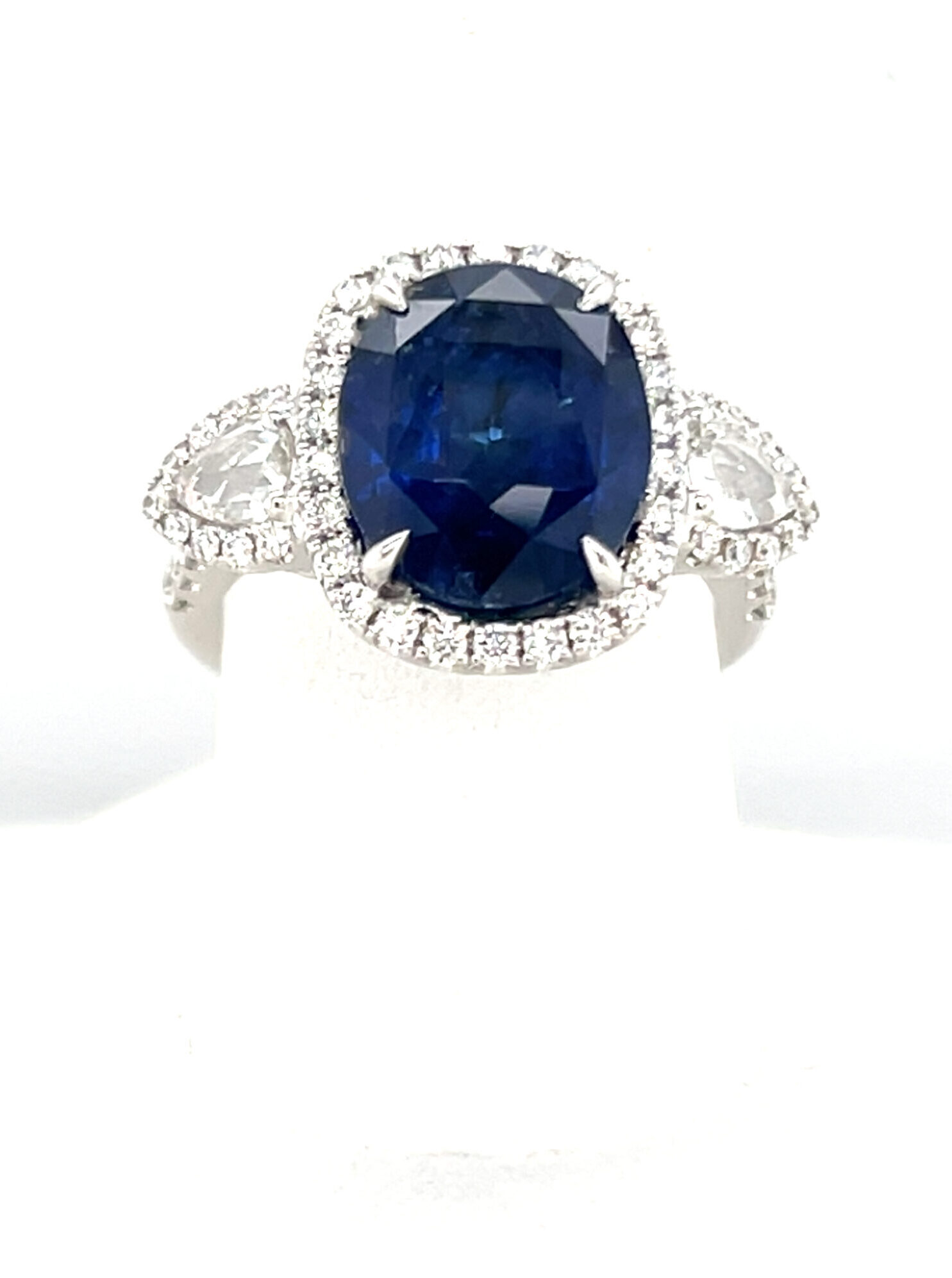
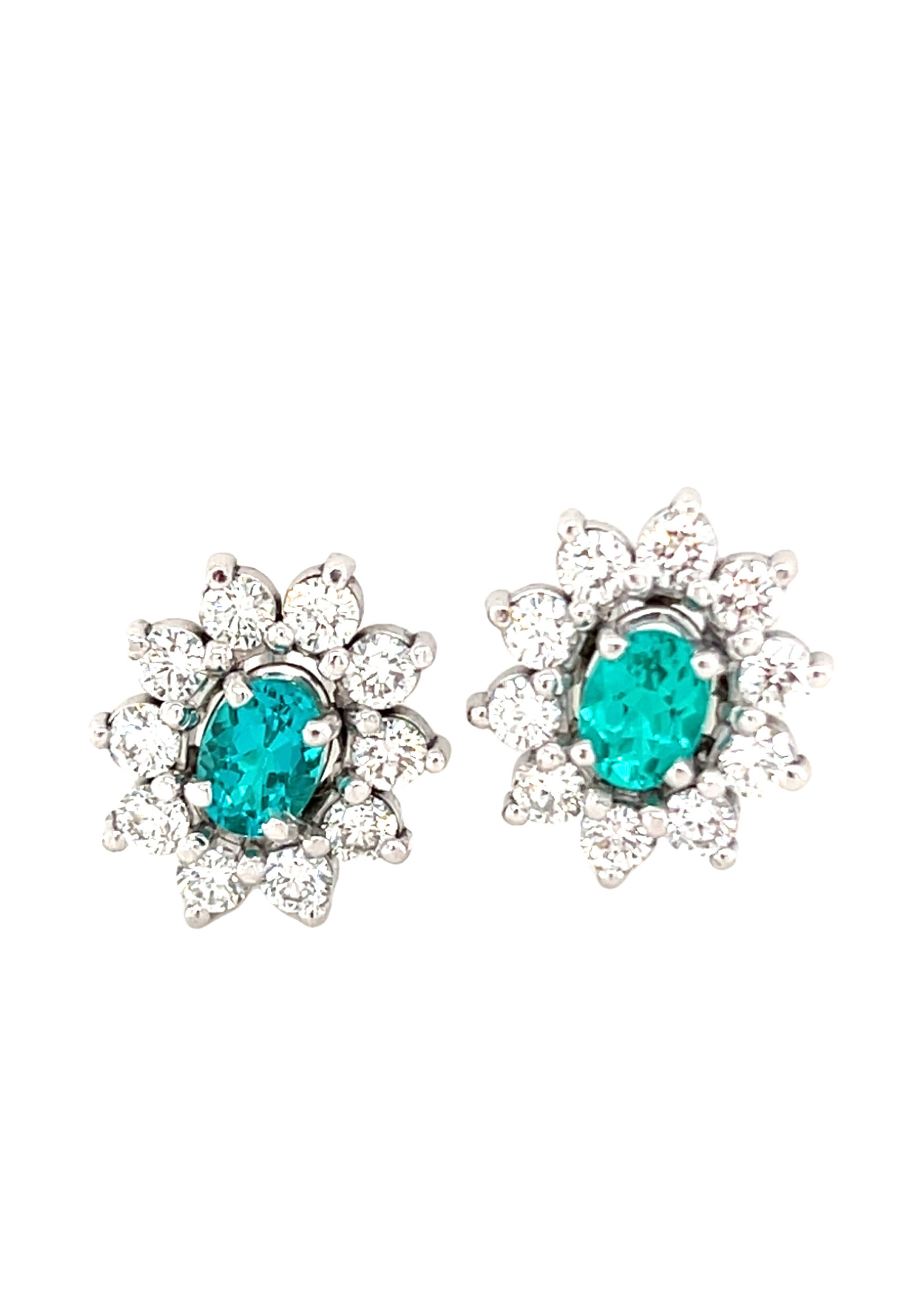
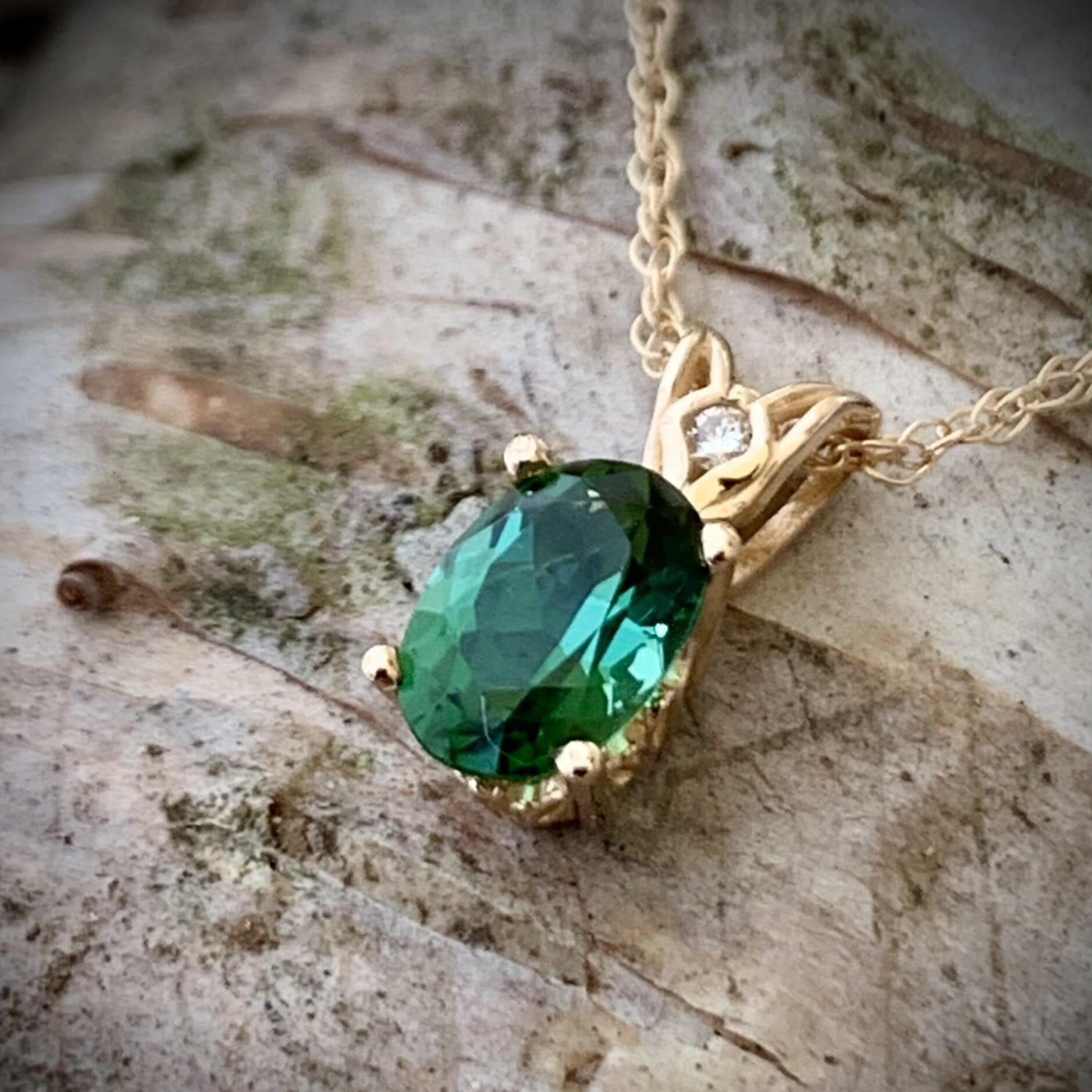
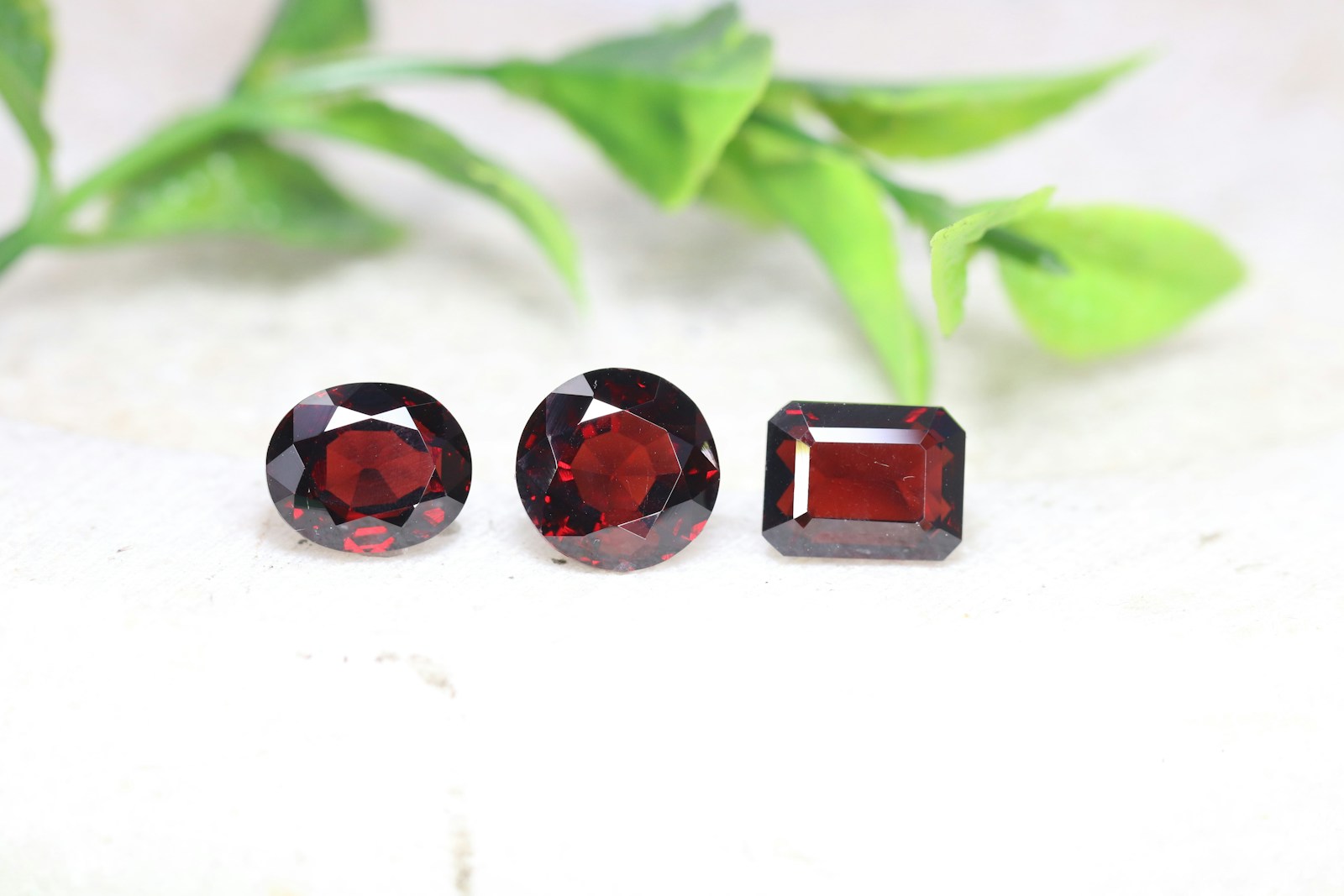
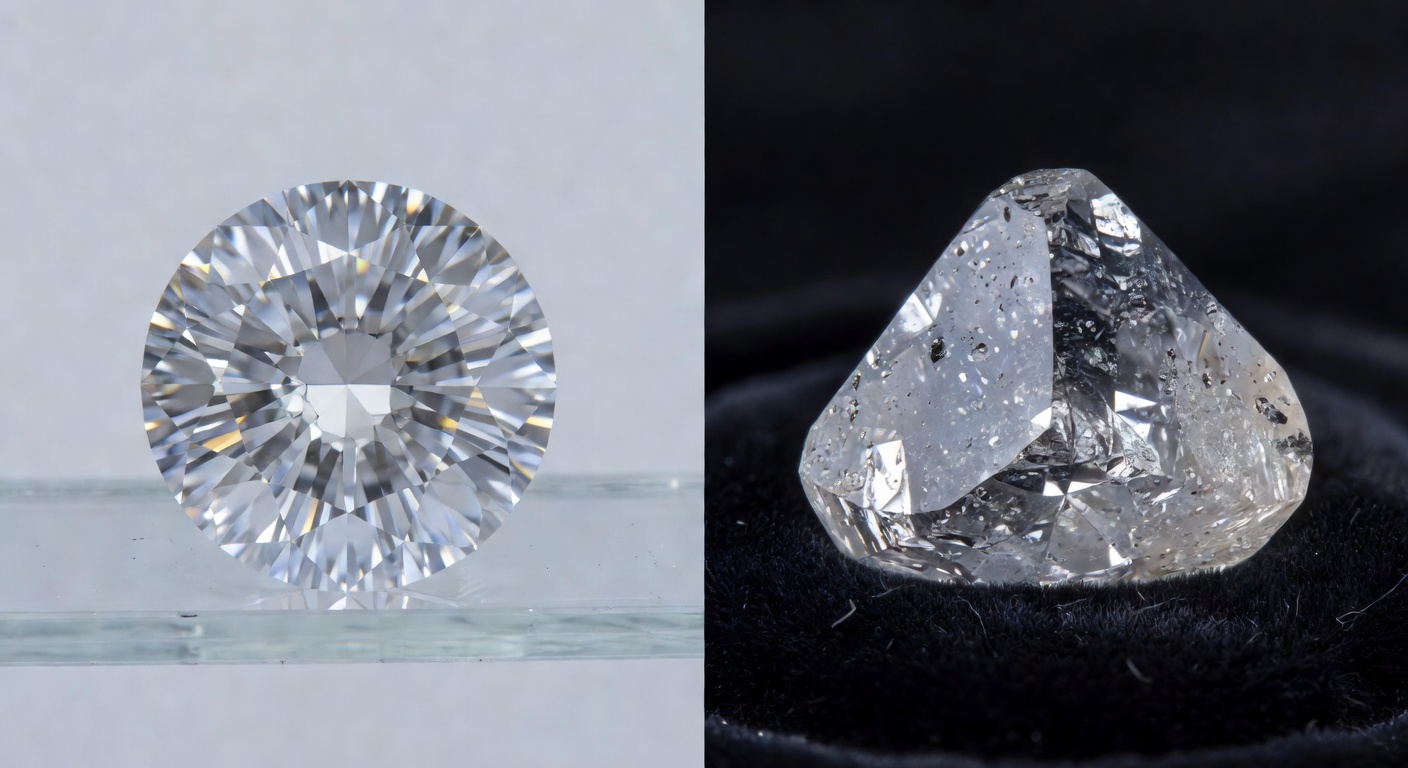
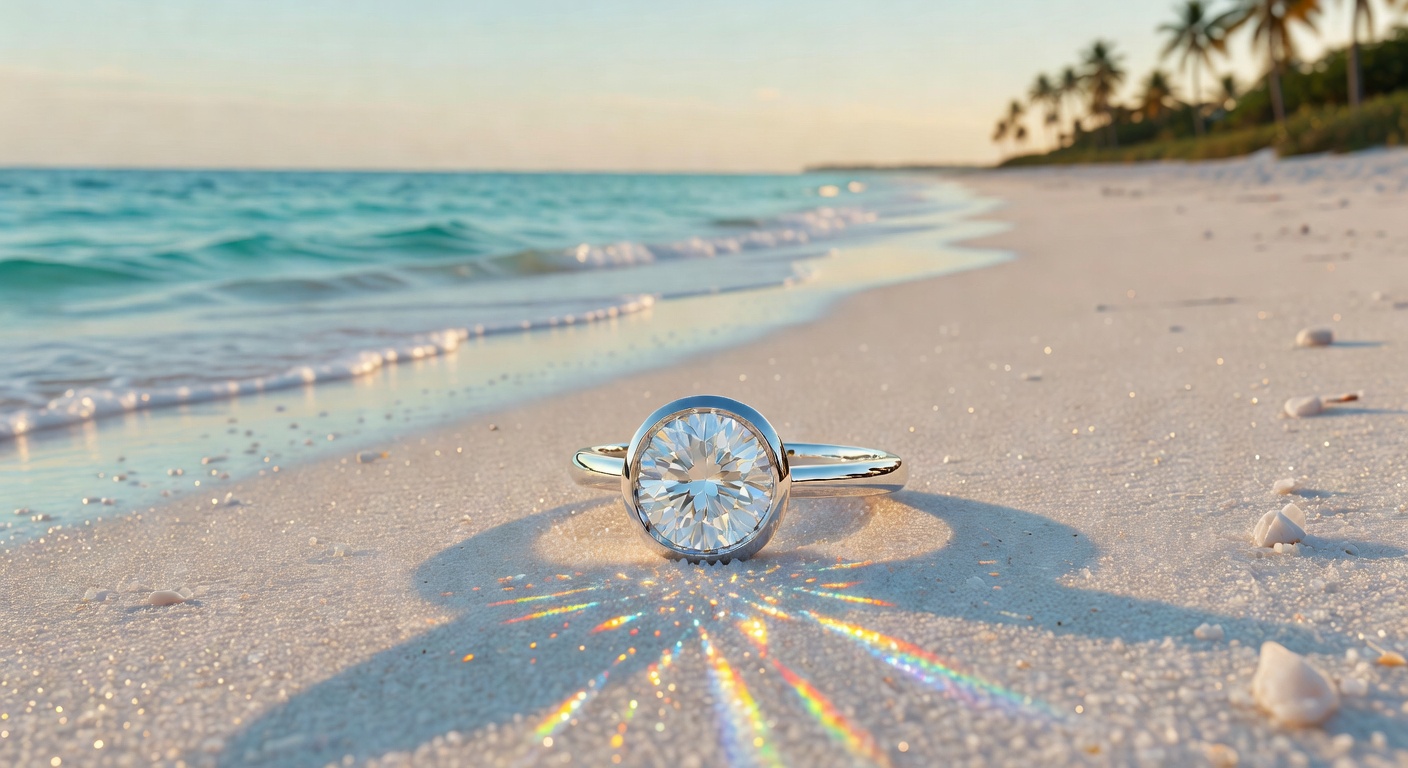
Image Grid 1
Understanding Florida’s Impact on Jewelry
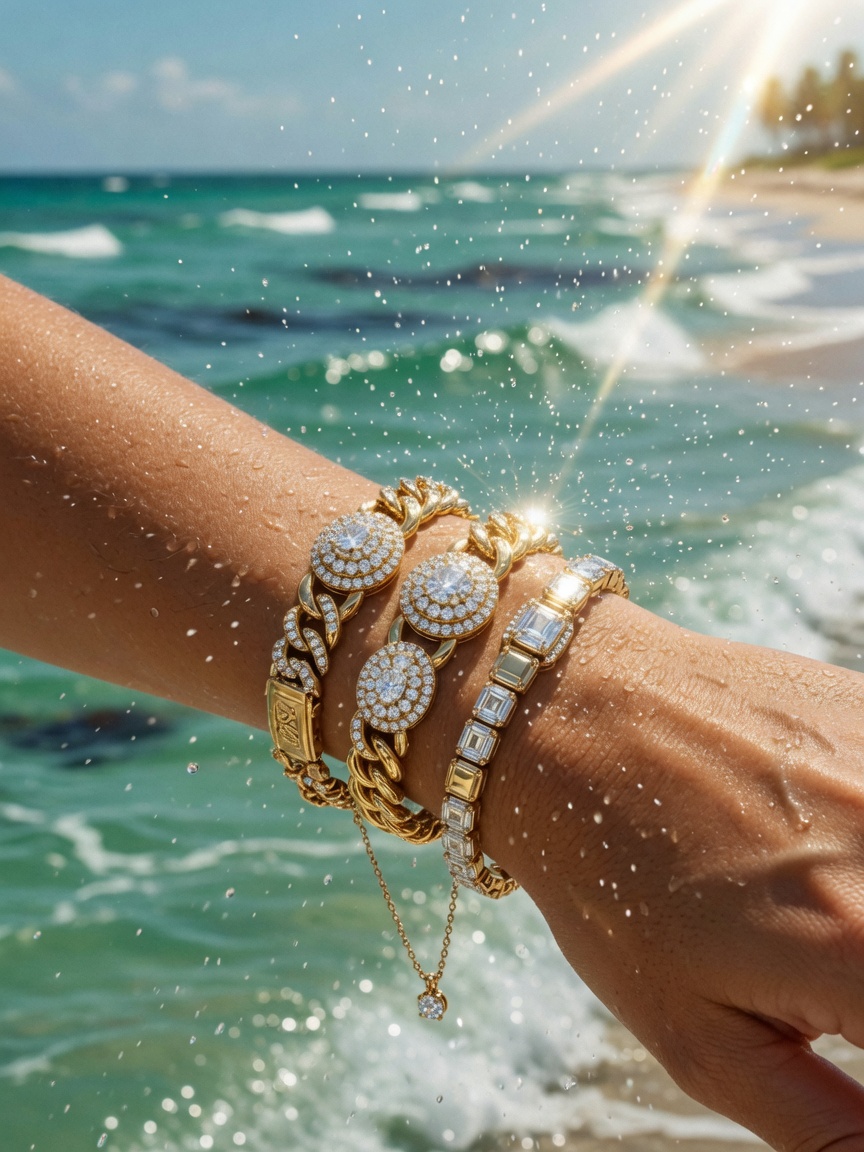
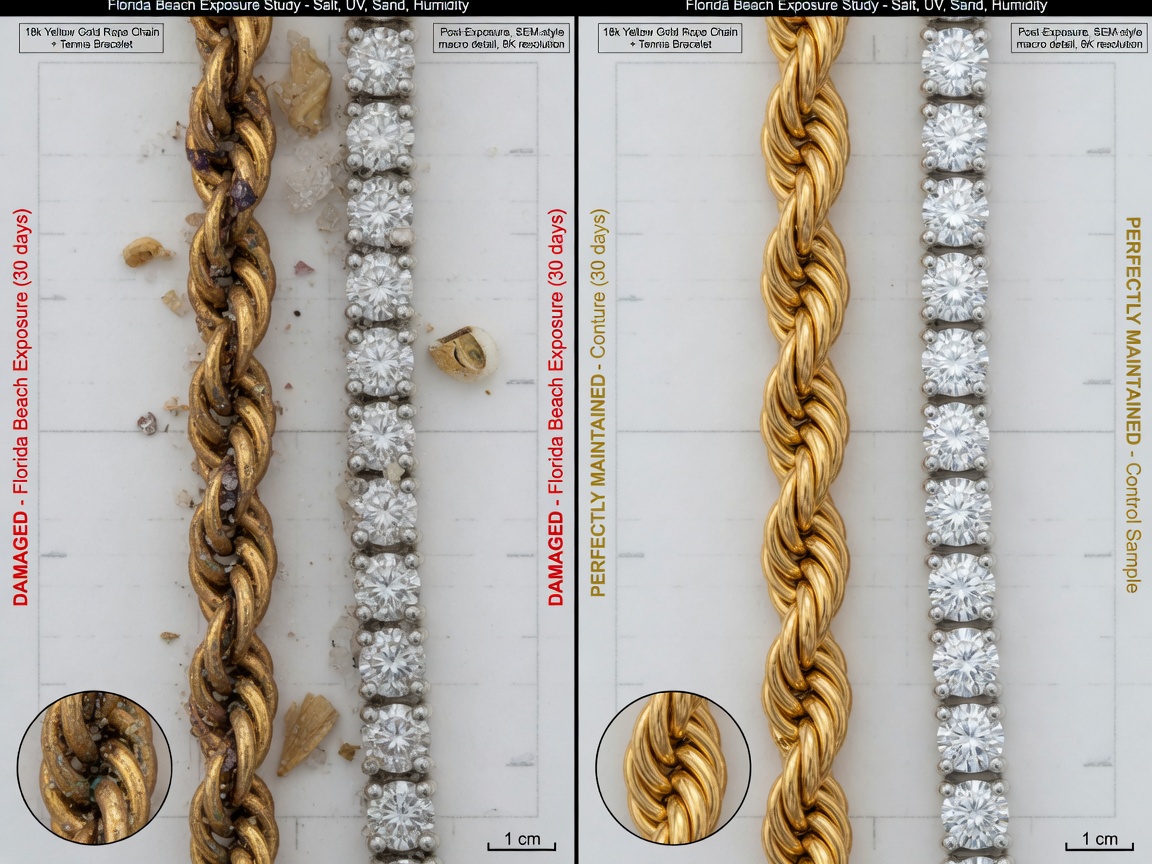
Florida’s coastal environment presents four primary threats to jewelry:
- Salt Air & Chlorides: Airborne salt particles accelerate oxidation and pitting on metals.
- High Humidity: Promotes tarnish, moisture trapped in settings, and potential stone loosening.
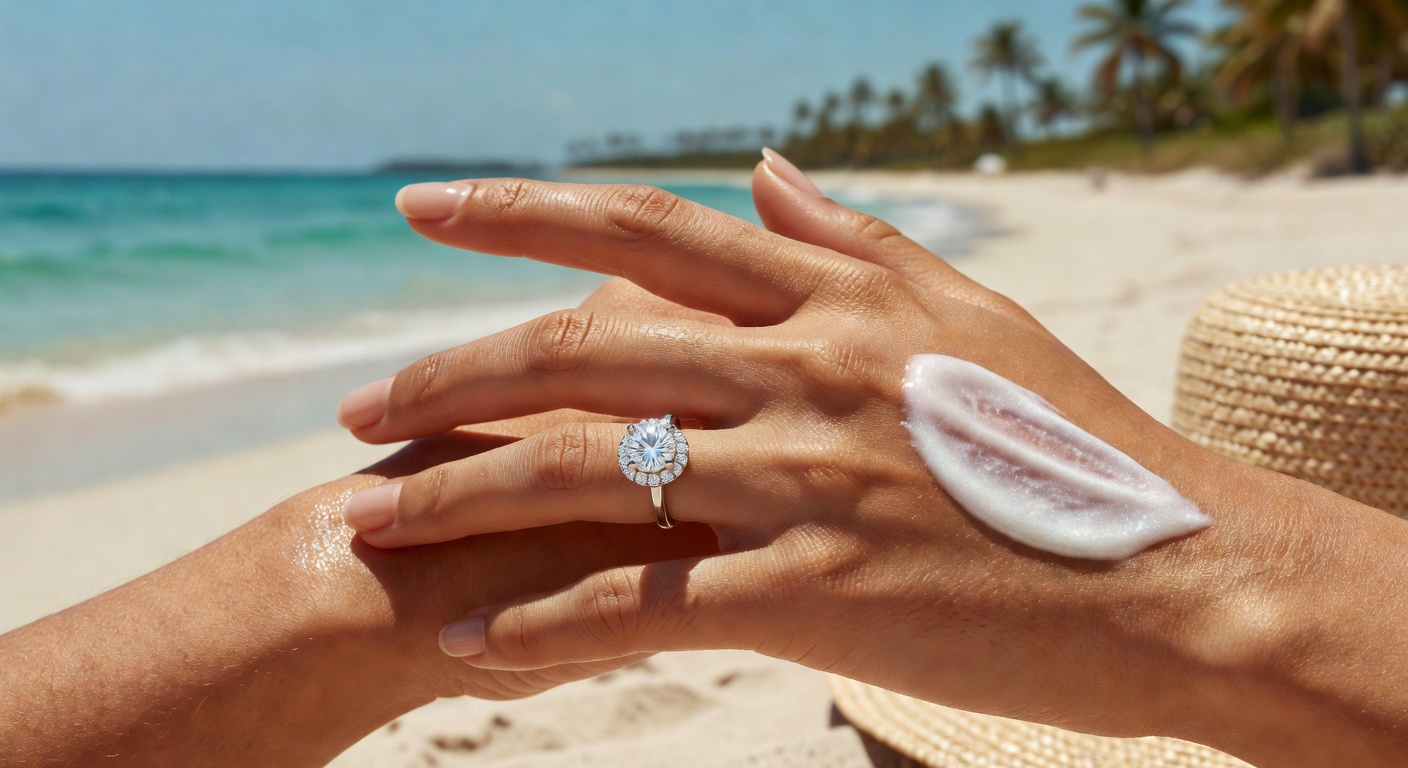
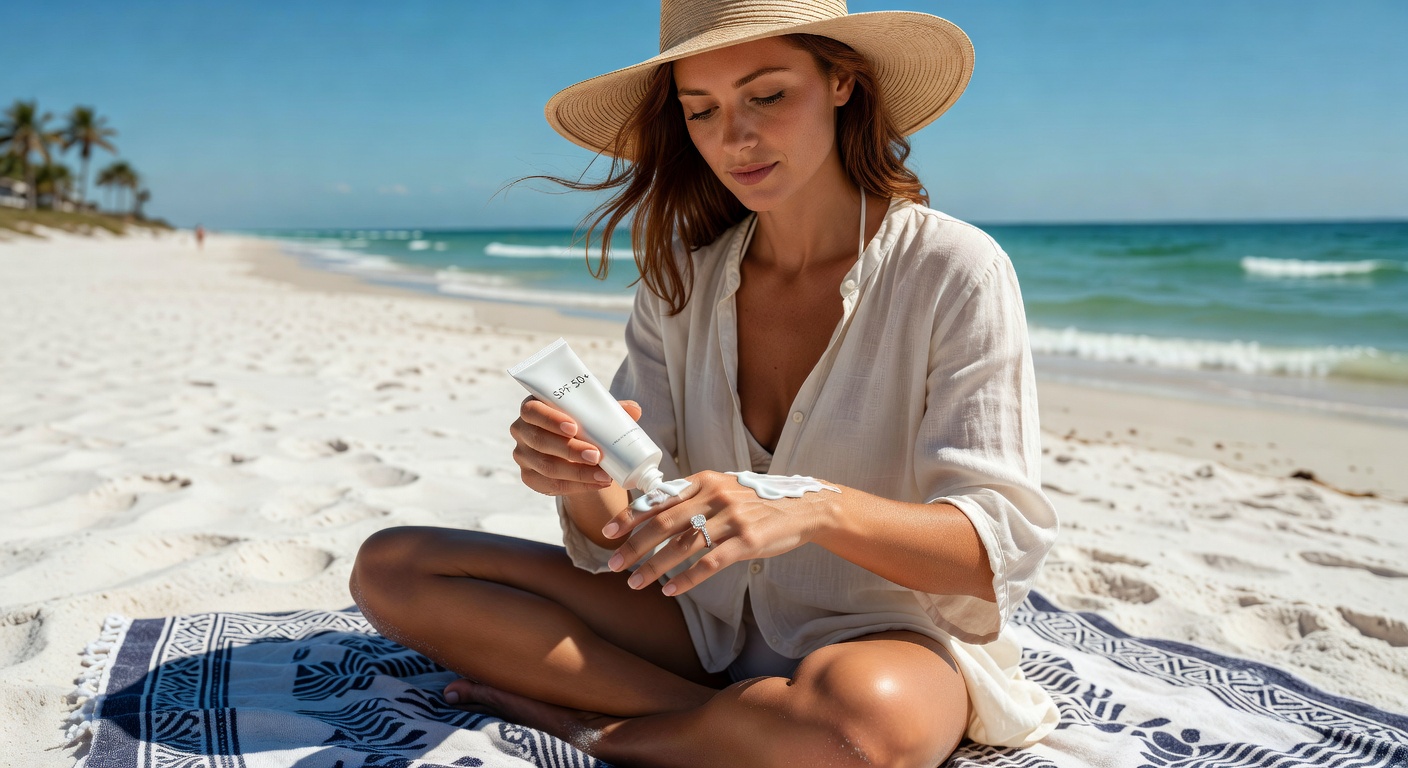
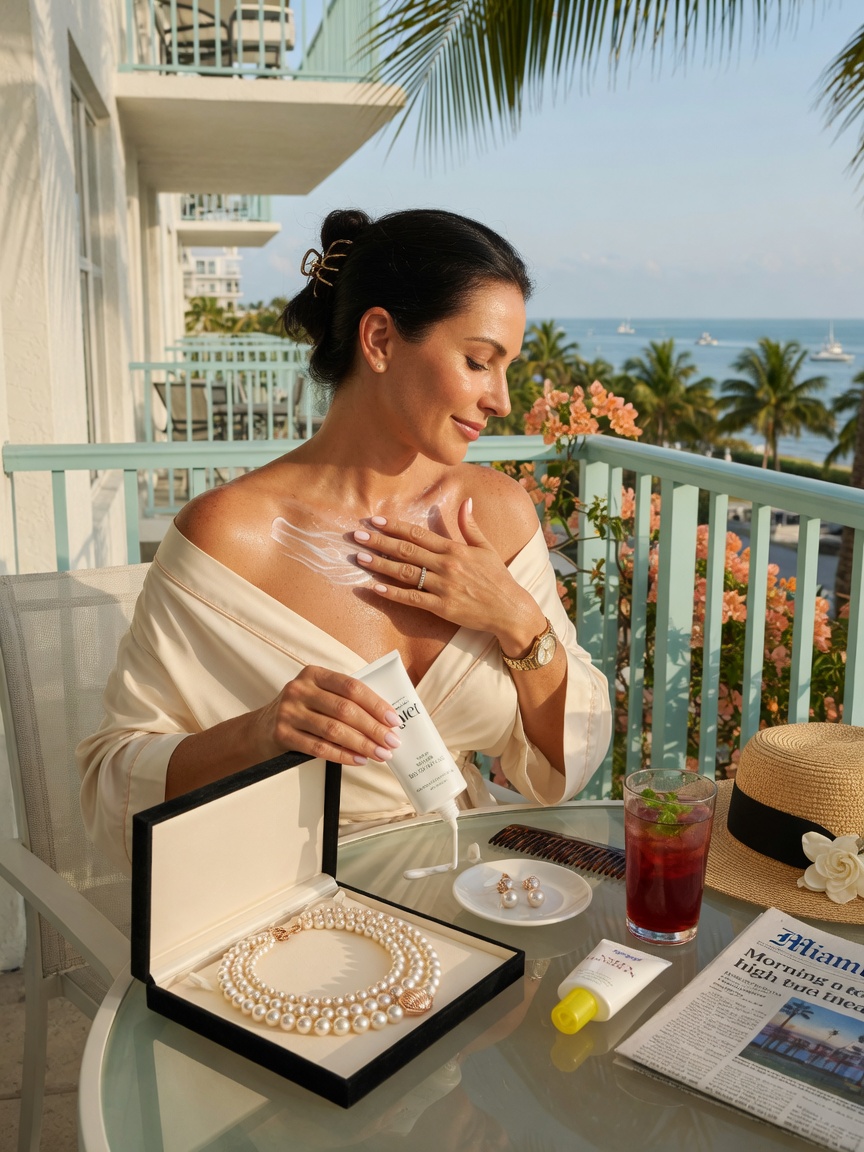
- UV Exposure & Sunscreen: Chemical sunscreens contain ingredients that can etch or discolor metals and gemstones.
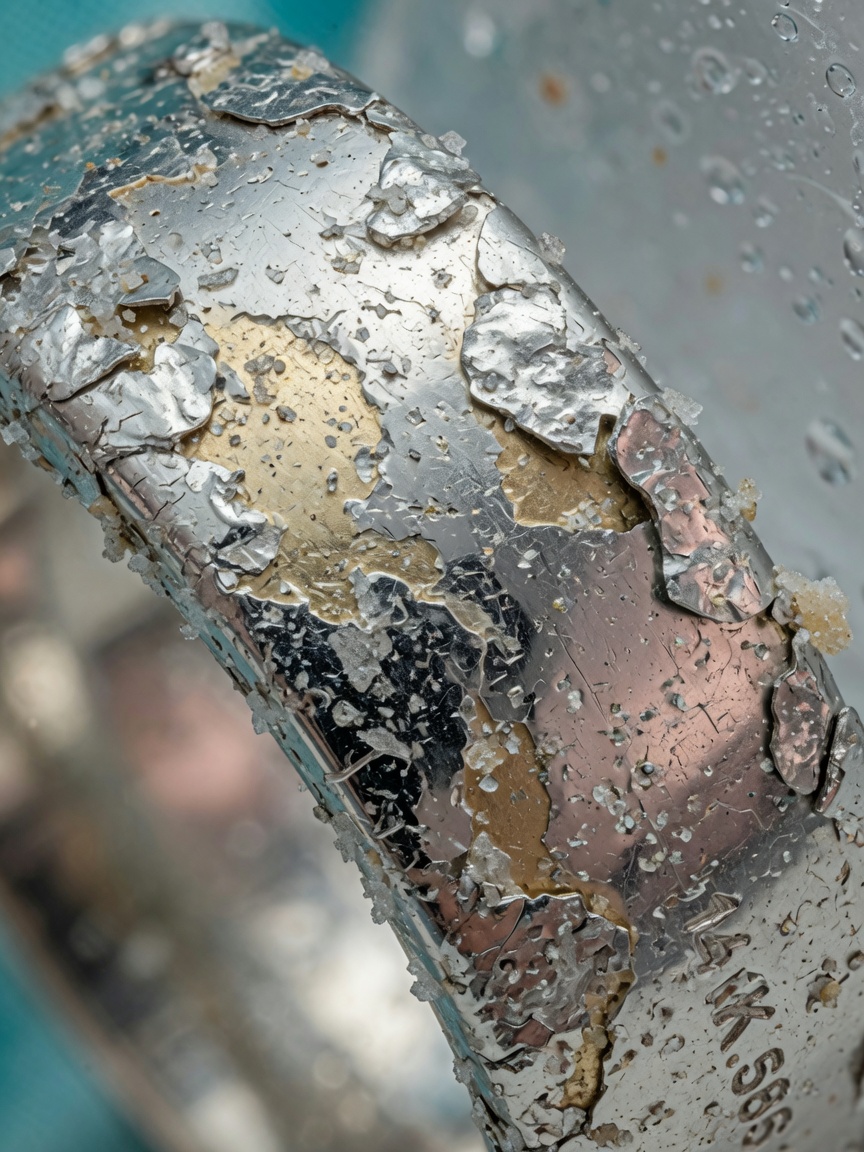
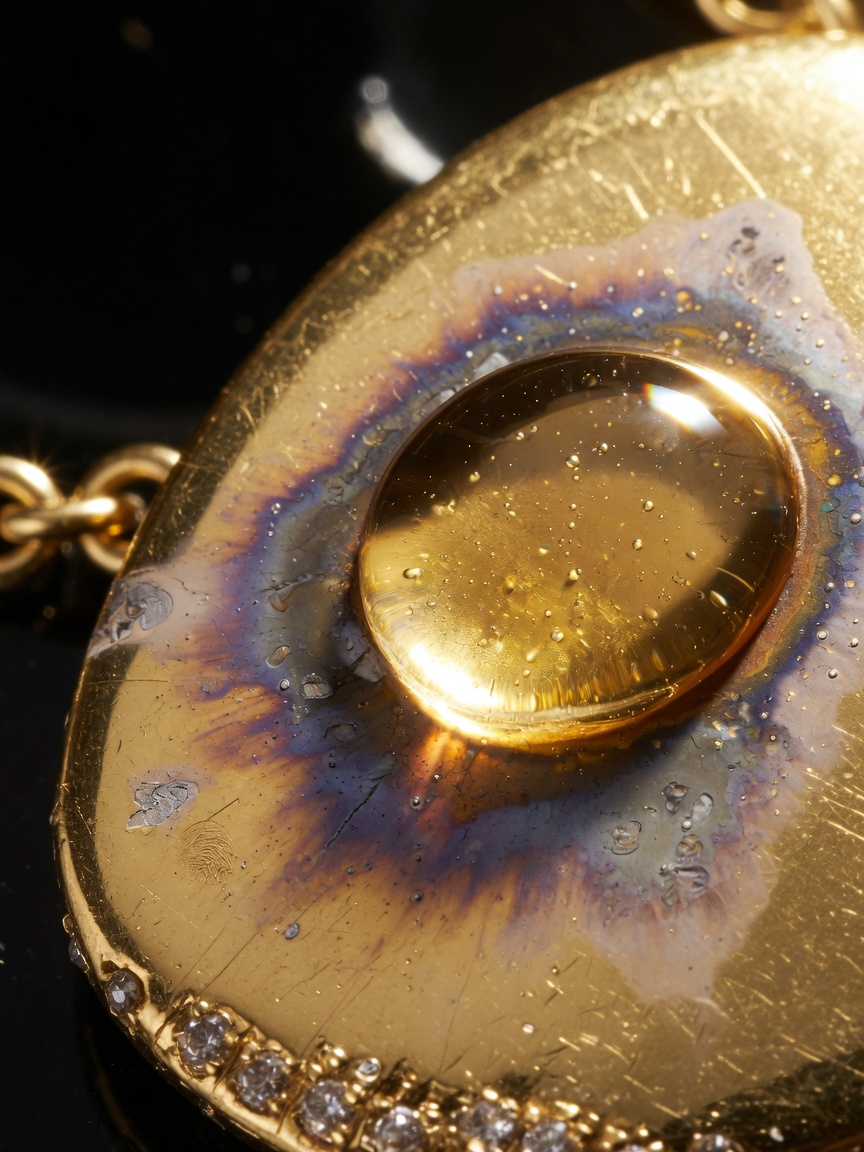
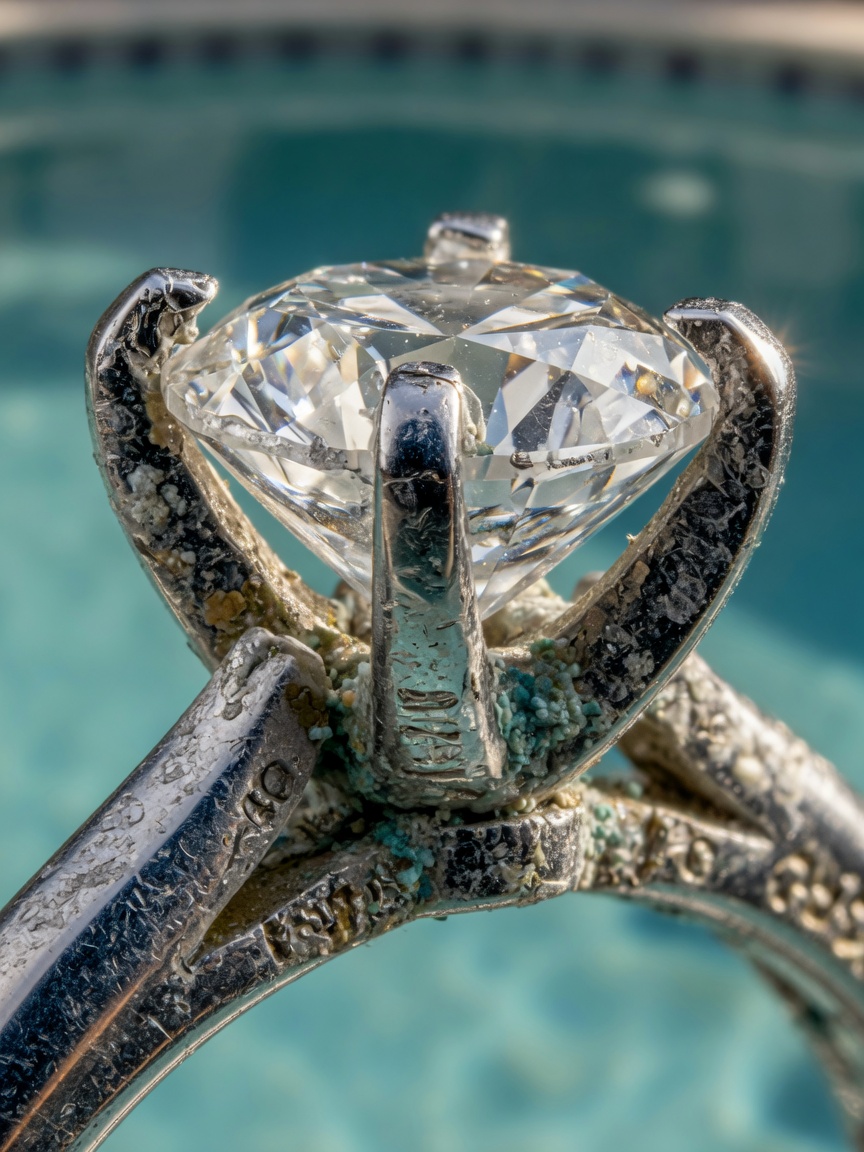
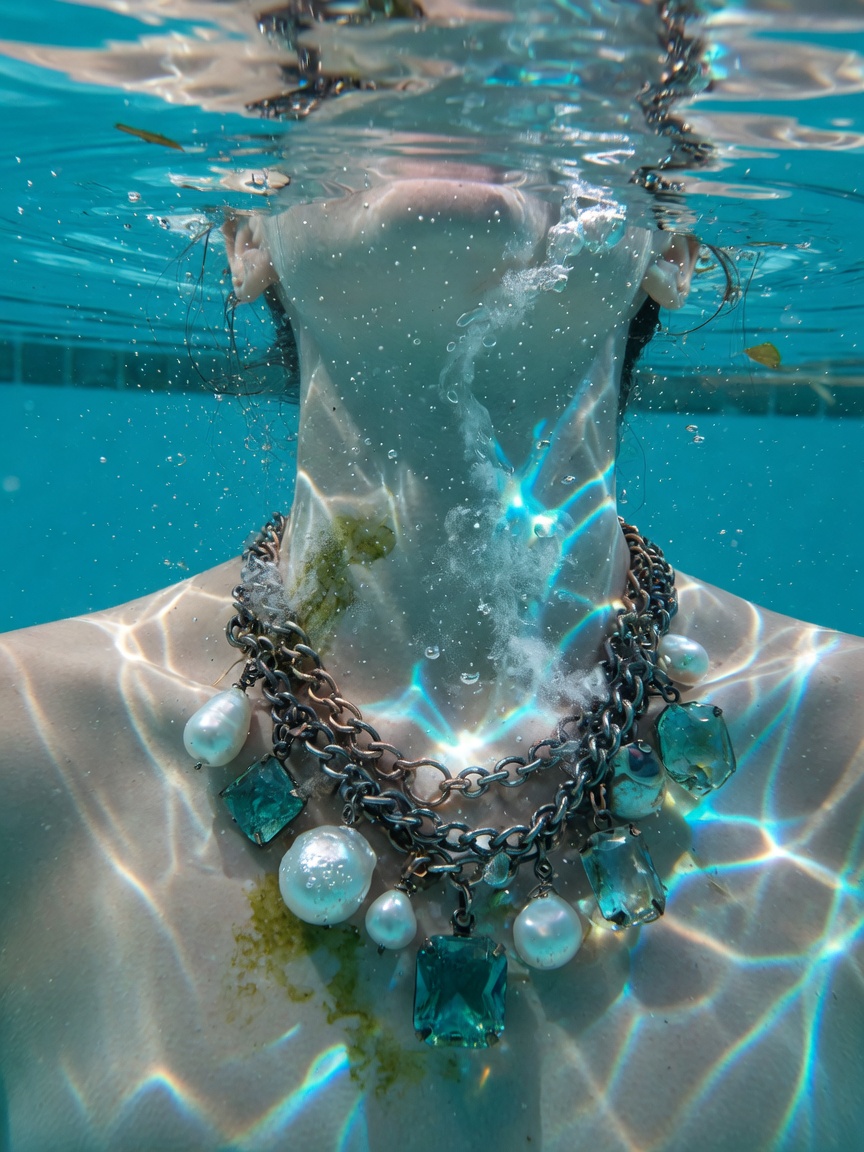
- Pool & Spa Chemicals: Chlorine, bromine, and pH balancers can pit gold, damage freshwater pearls, and weaken prongs.
By understanding these factors, we can implement targeted protection strategies that work in 2026’s increasingly intense climate conditions.
Daily Jewelry Care Routine for Florida Residents
Morning Application Protocol
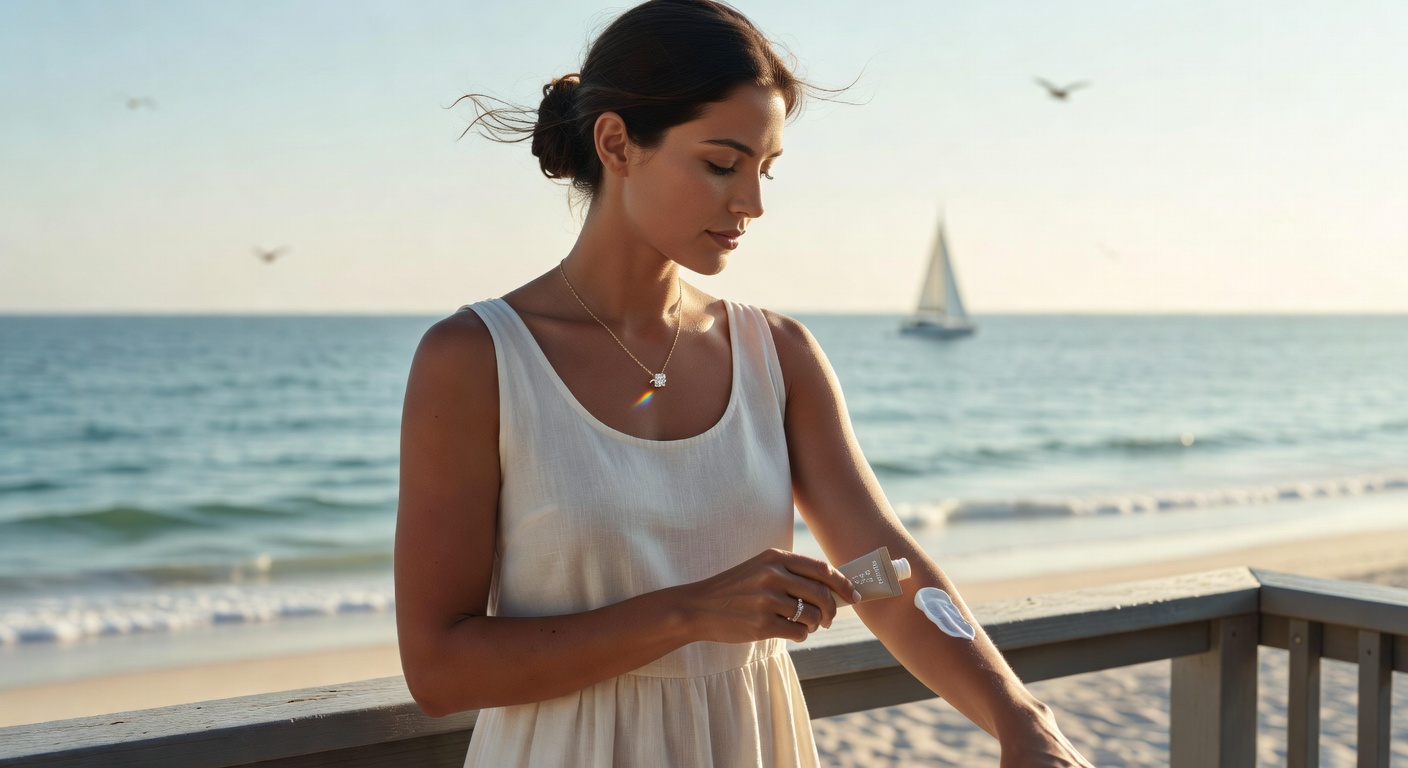
Always apply jewelry after completing your skincare and sunscreen routine. This single habit prevents 80% of chemical-related damage. Allow lotions and sunscreens to absorb fully for 10–15 minutes before putting on rings, necklaces, or bracelets.
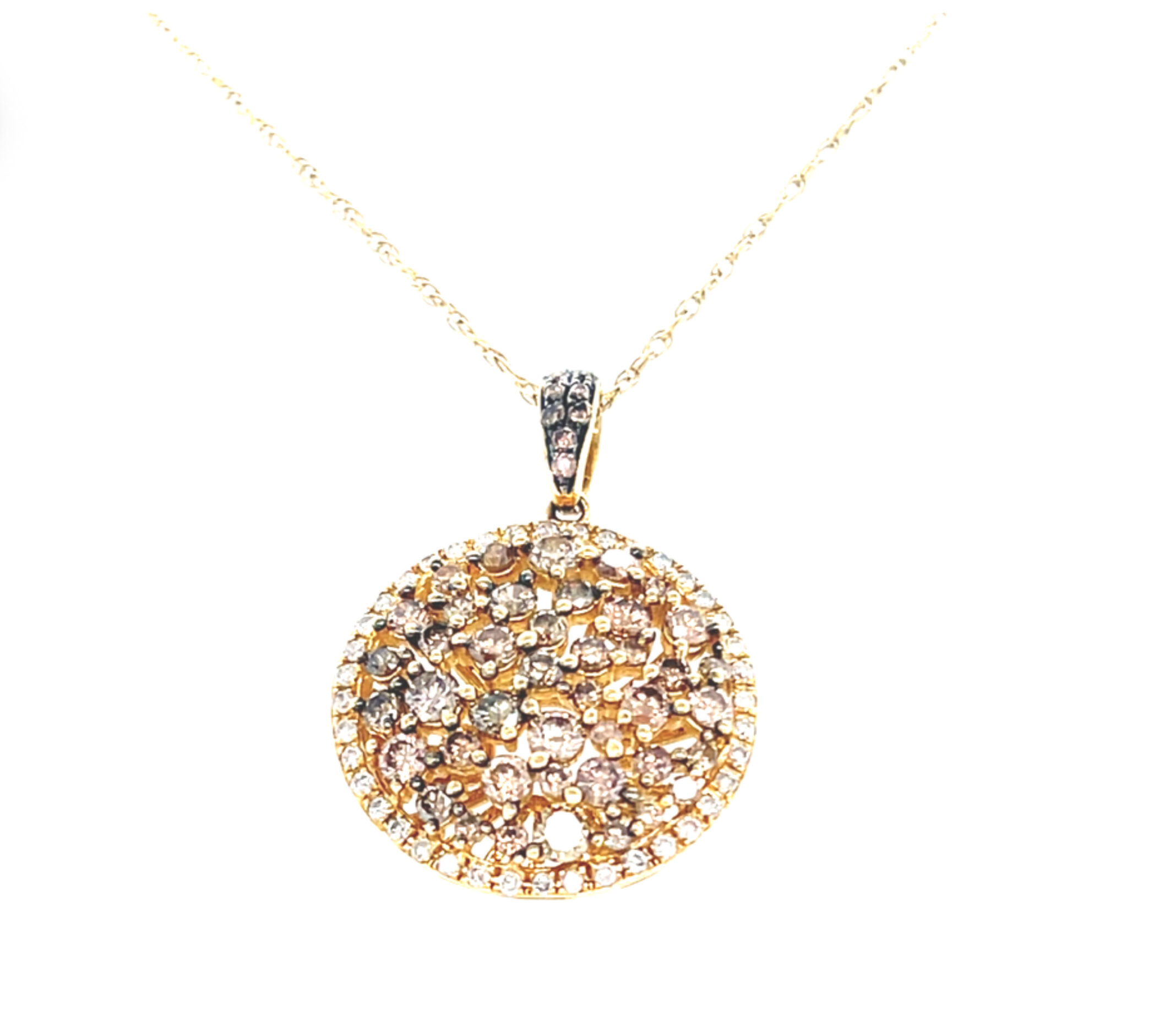
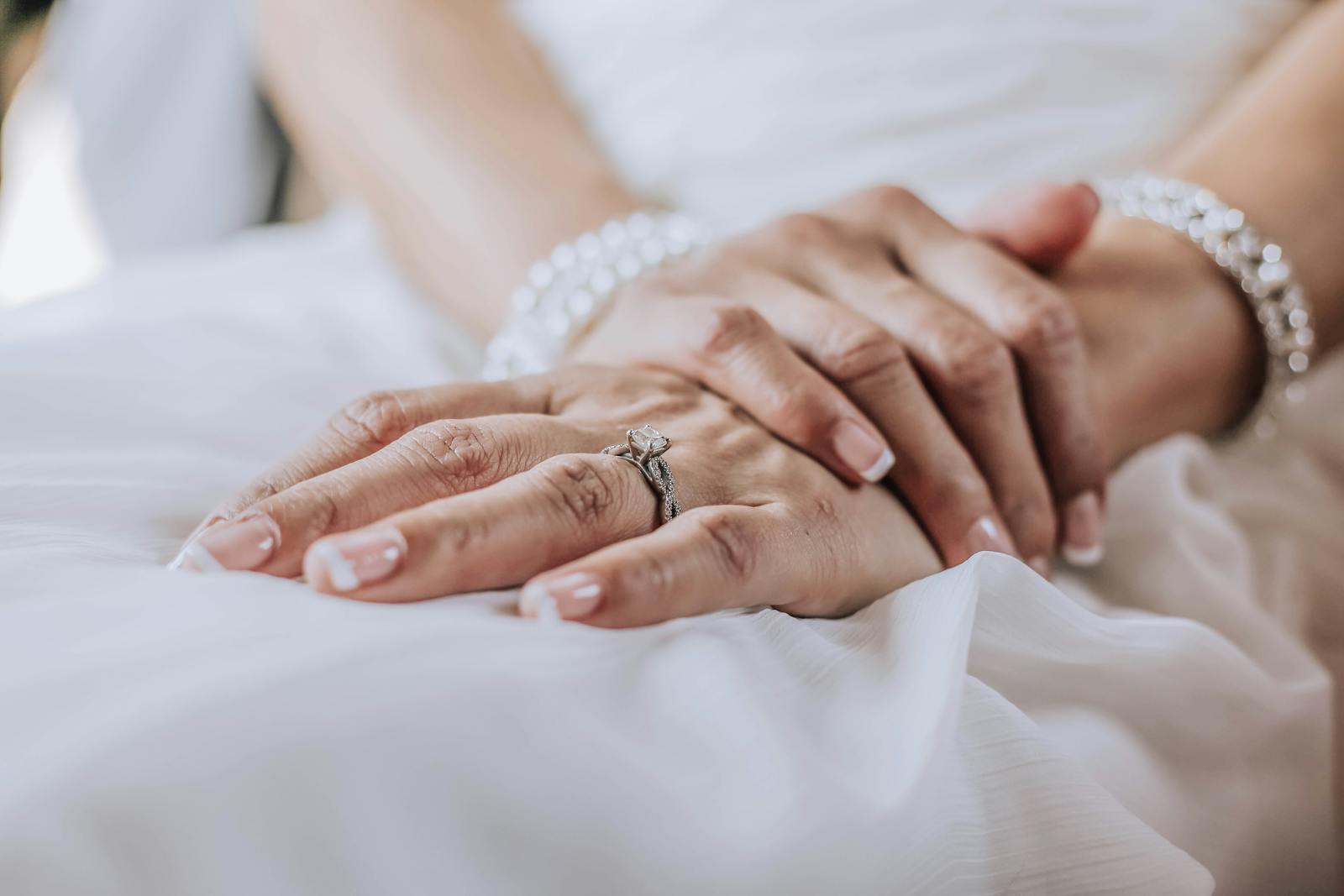
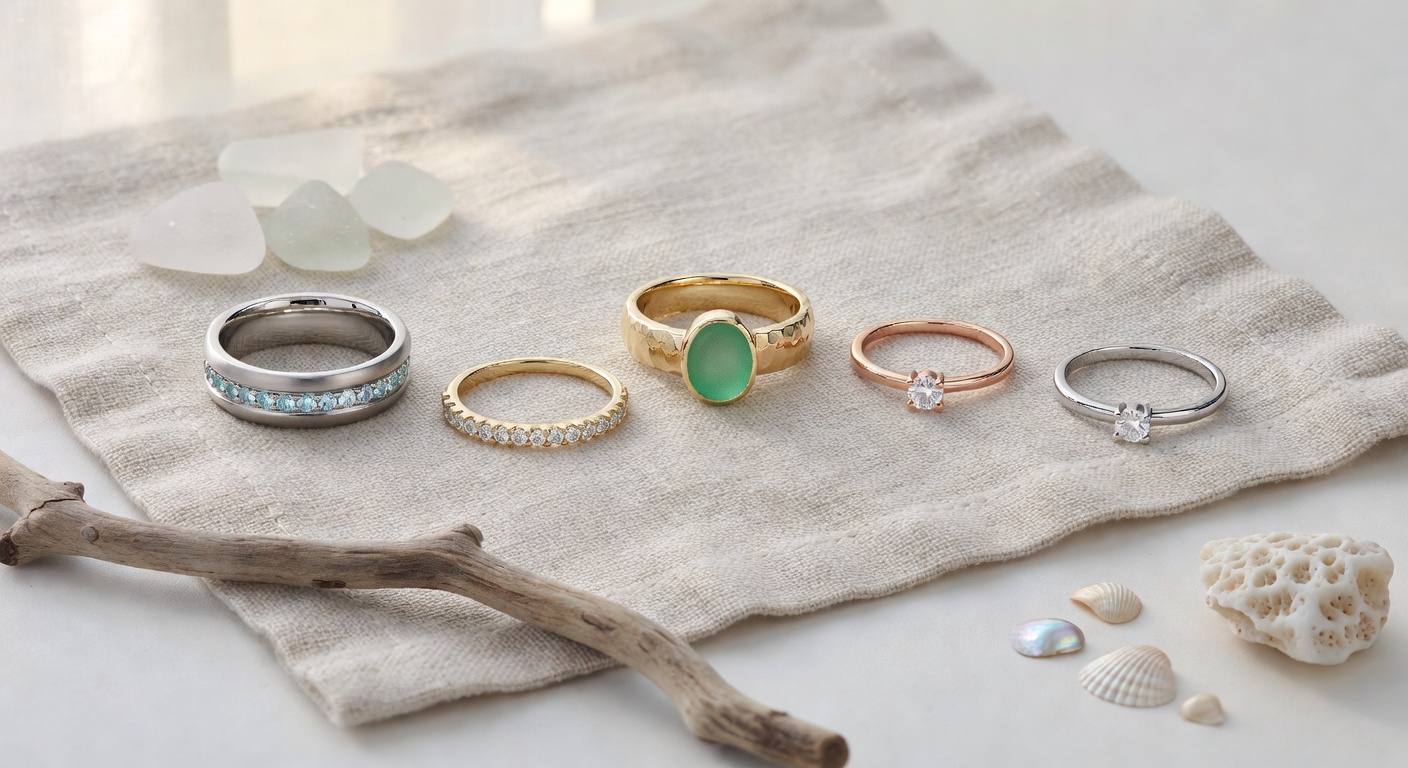
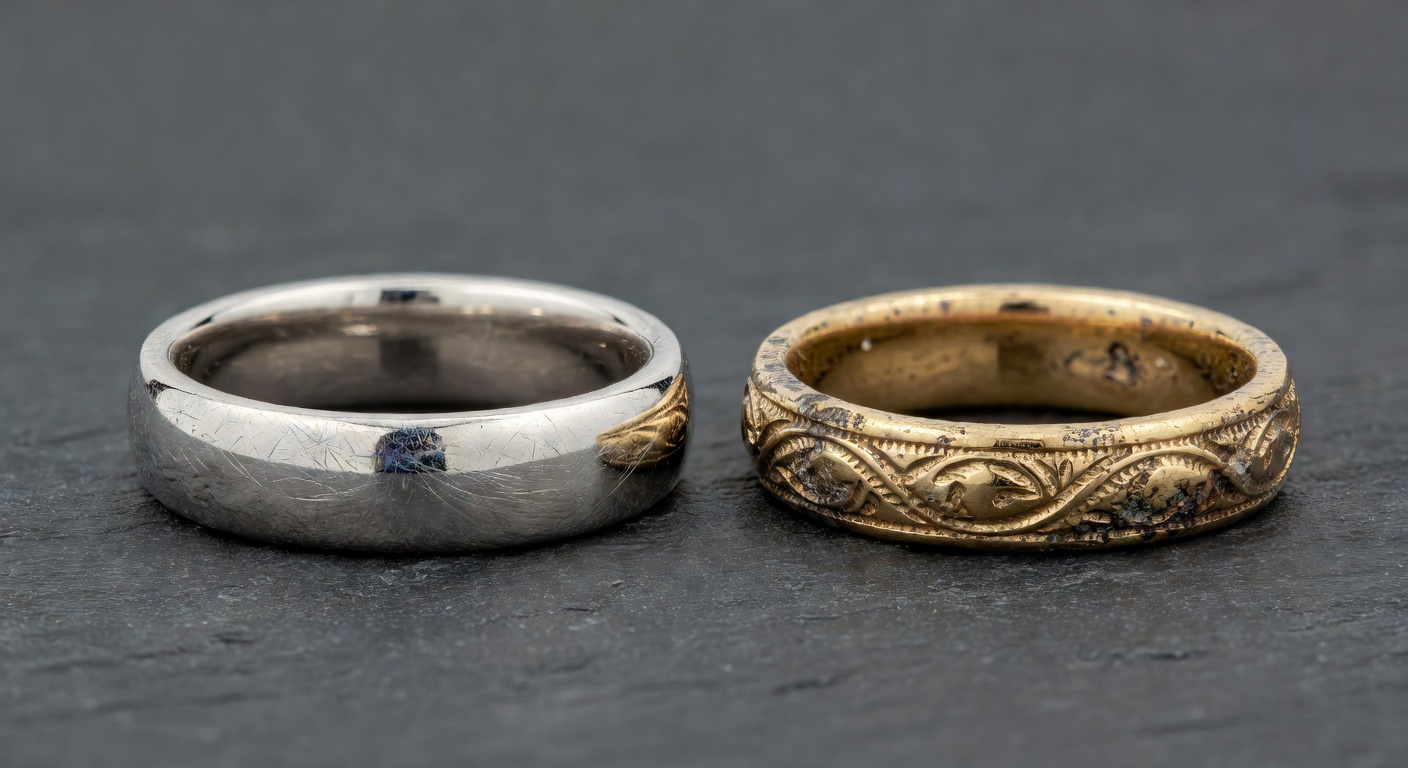
Image Grid 2

Post-Beach or Pool Removal Checklist
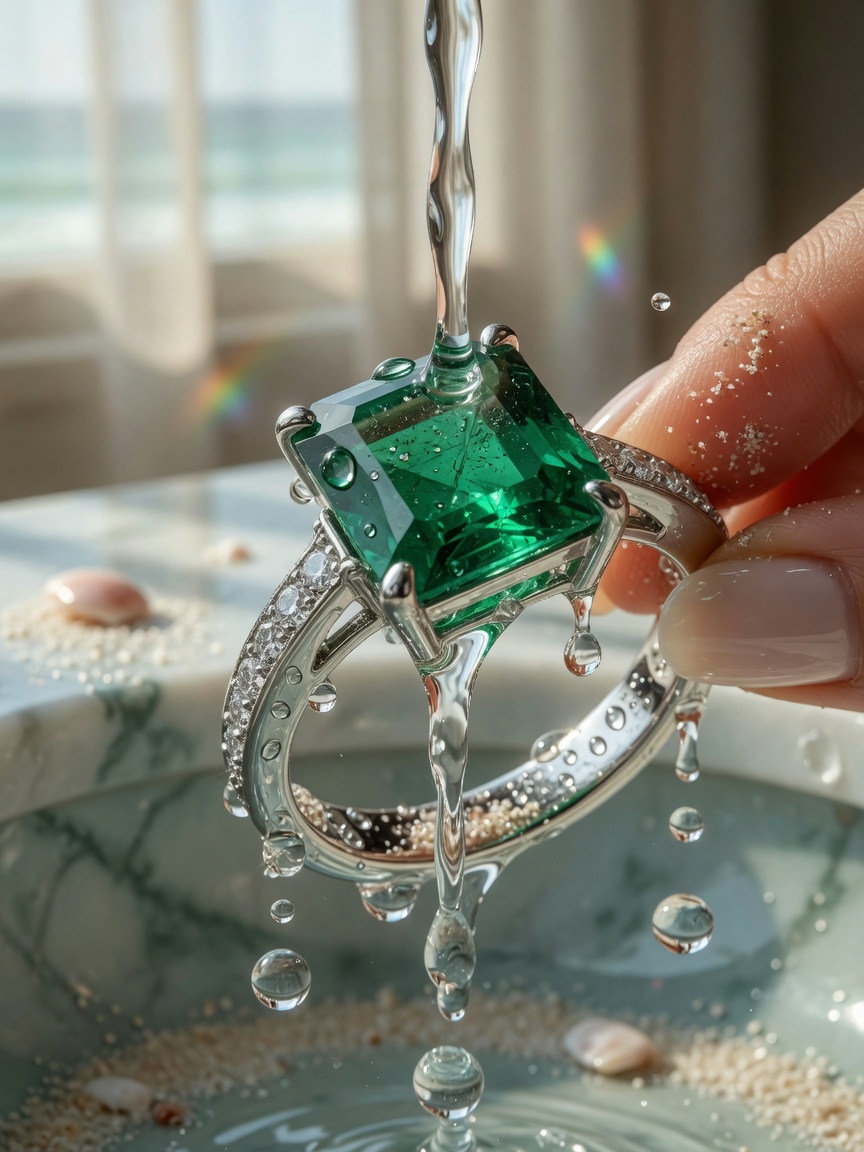
- Rinse jewelry immediately with fresh, room-temperature water
- Gently pat dry with a microfiber cloth (never paper towels)
- Inspect settings and prongs for salt residue
- Store in a cool, dry place away from direct sunlight
Protecting Different Metals in Florida’s Climate
Gold Jewelry Care (Yellow, White & Rose)
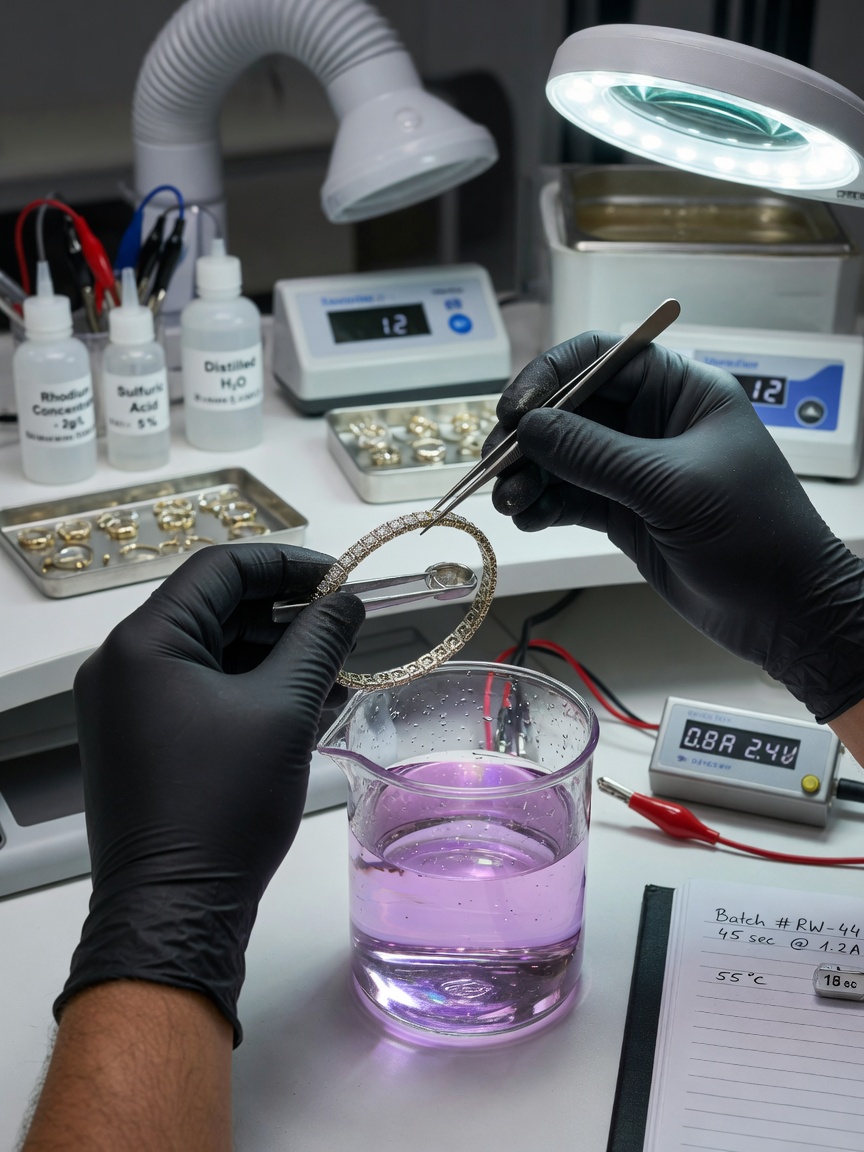
Salt air is particularly aggressive toward white gold’s rhodium plating. In 2026, experts recommend re-plating white gold every 9–12 months instead of the traditional 18 months for Florida residents. Always remove gold jewelry before entering pools or the ocean. Chlorine can cause micro-pitting that becomes visible over time.
Sterling Silver in Humid Conditions
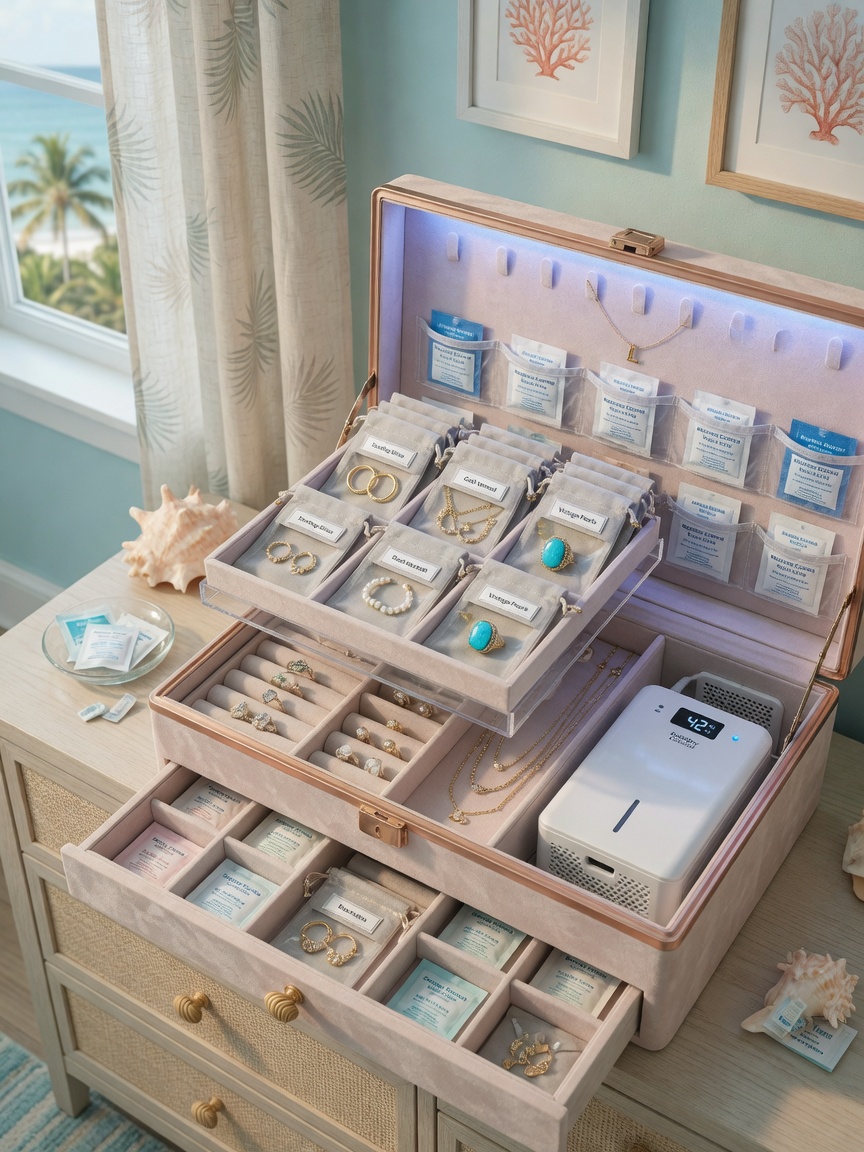
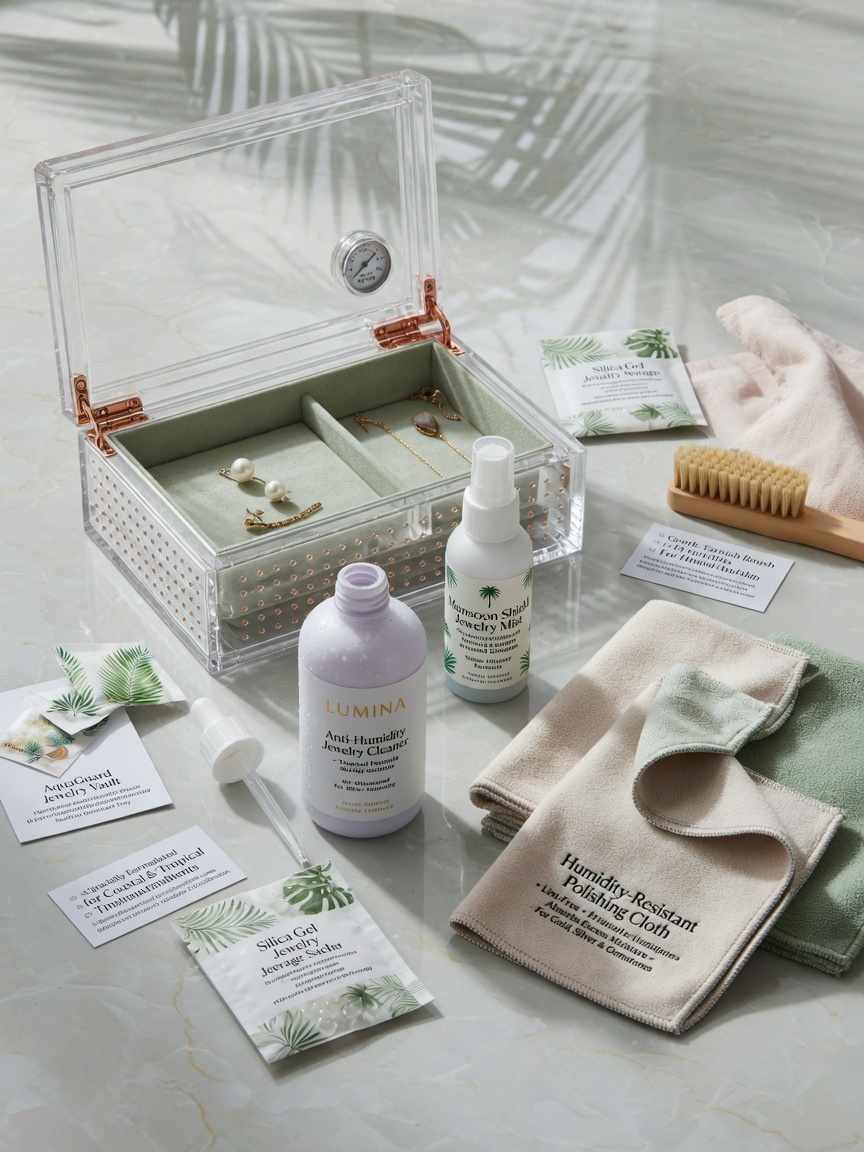
Sterling silver tarnishes faster in Florida than almost anywhere else in the United States. Store silver pieces with anti-tarnish strips in airtight containers. Consider using silica gel packets in jewelry boxes during peak humidity months (June–September). A quick polish with a treated jewelry cloth after each wear prevents heavy buildup.
Platinum Care
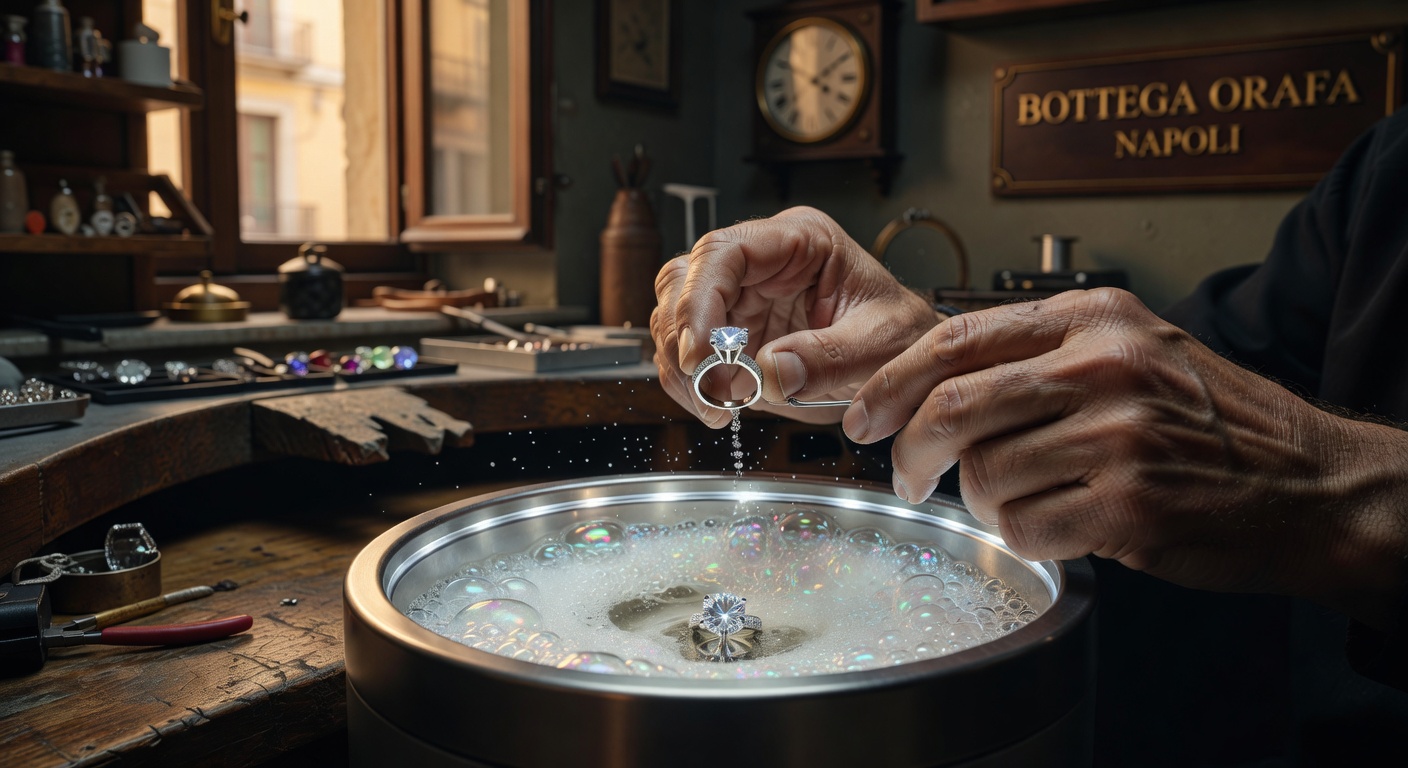
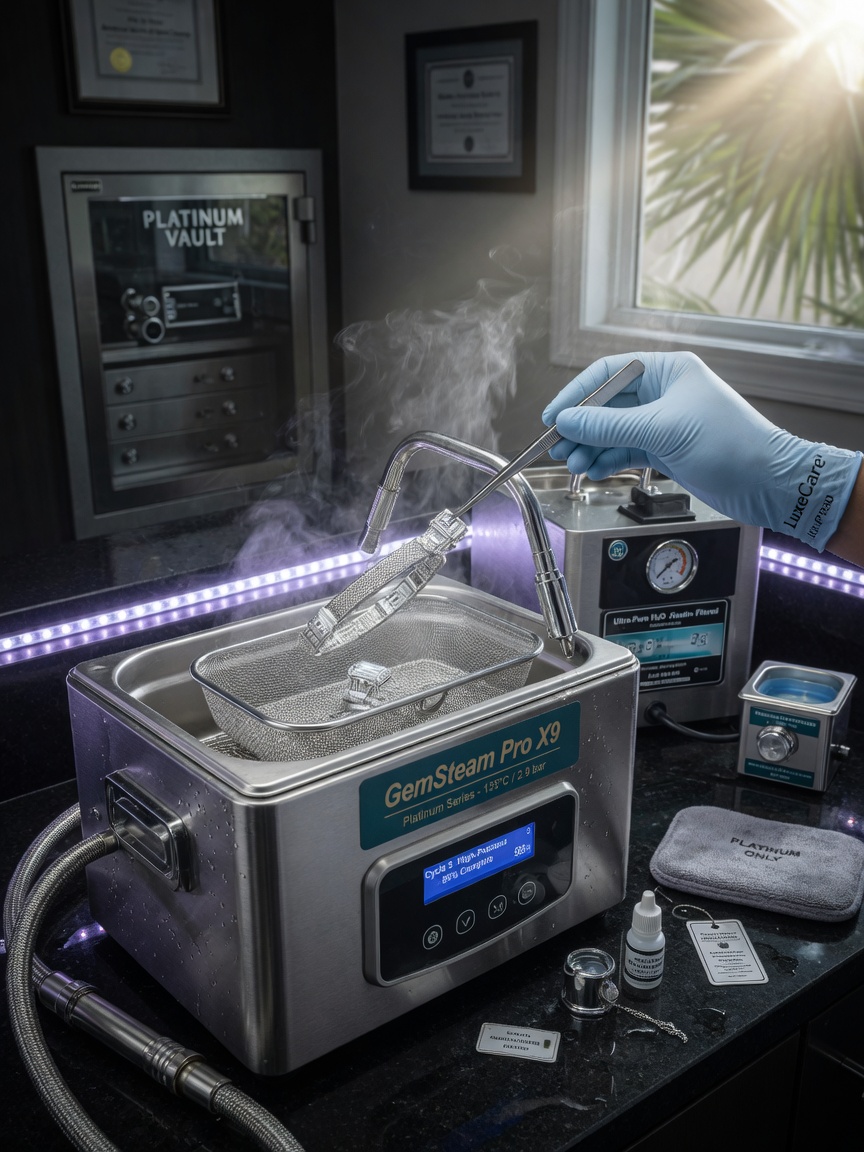
While platinum is the most chemically resistant precious metal, salt air can still cause surface dulling. Clean platinum monthly using a mild dish soap solution and a soft-bristled brush. Professional steam cleaning twice yearly is recommended for Florida homeowners.
Gemstone-Specific Protection Protocols
Porous vs Non-Porous Stones
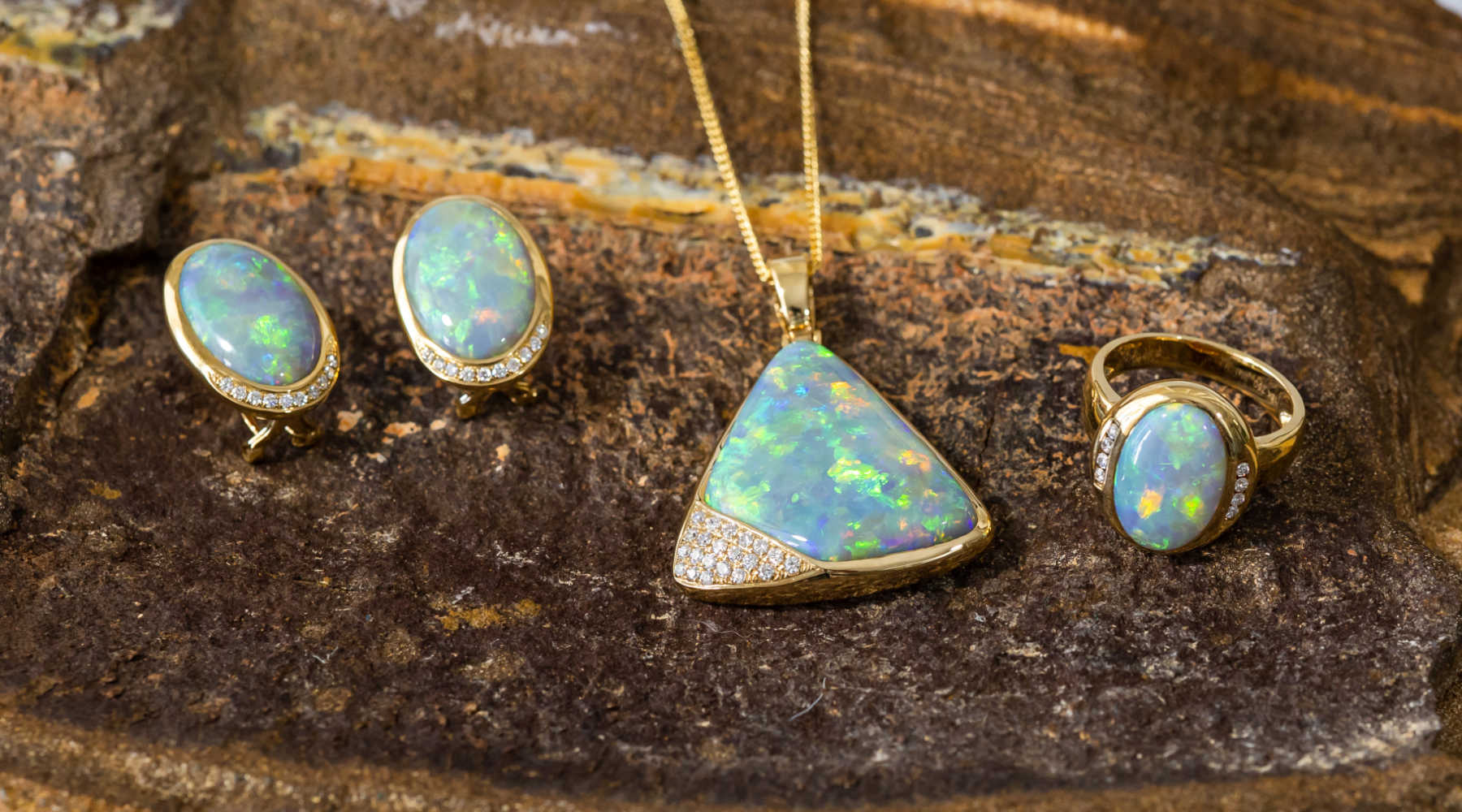
Emeralds, opals, pearls, and turquoise are particularly vulnerable in Florida’s climate. These porous stones can absorb salts, chlorine, and sunscreen chemicals, leading to discoloration or cracking.
Recommended Protocol for Porous Stones (2026):
- Remove before all water activities
- Avoid direct sunscreen contact
- Have settings professionally checked every six months
- Store separately from harder stones to prevent scratching
Diamonds, Sapphires & Rubies
These hard stones are more resilient but their settings are not. Salt and chlorine can weaken the metal around the stones. Ultrasonic cleaners are safe for these stones but should be avoided for pieces with fragile settings or multiple gem types.
Special Care for Pearls and Organic Materials
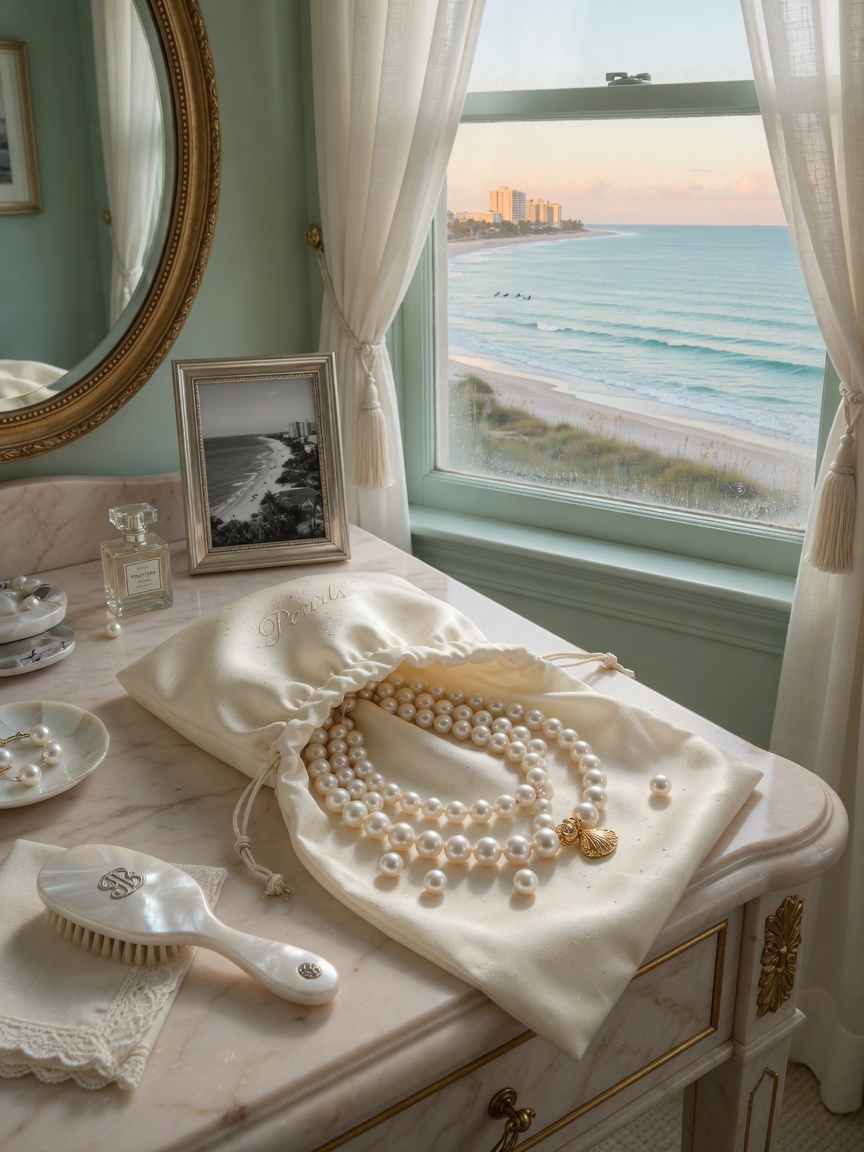
Pearls suffer dramatically in Florida’s environment. Salt water and chlorine cause surface erosion while humidity encourages mildew in storage. The updated 2026 recommendation is to wear pearls frequently — the natural oils from your skin actually help maintain their luster. However, always remove pearls before applying sunscreen, swimming, or using perfume.
Store pearls in a breathable silk or cotton pouch rather than airtight containers to prevent moisture buildup.
Storage Solutions Optimized for Florida Homes
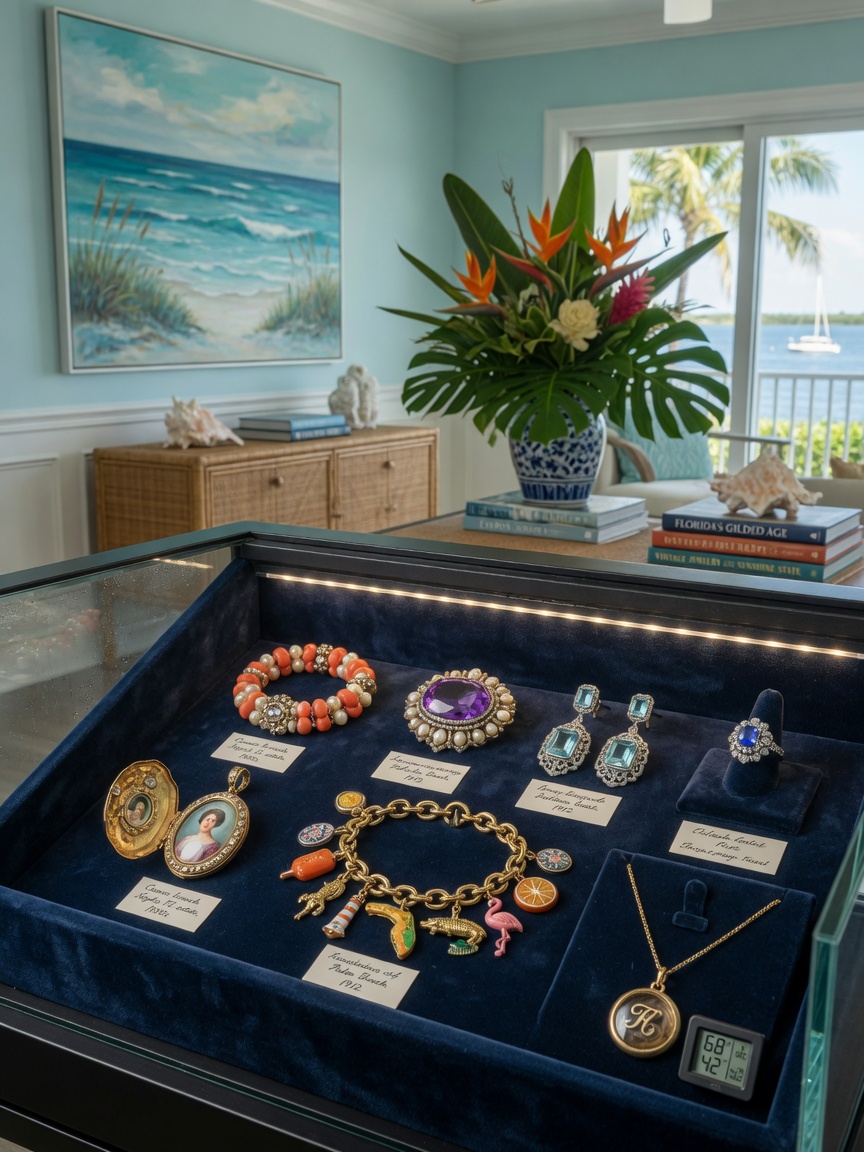
Traditional jewelry boxes often trap humidity. For Florida residents in 2026, consider these storage upgrades:
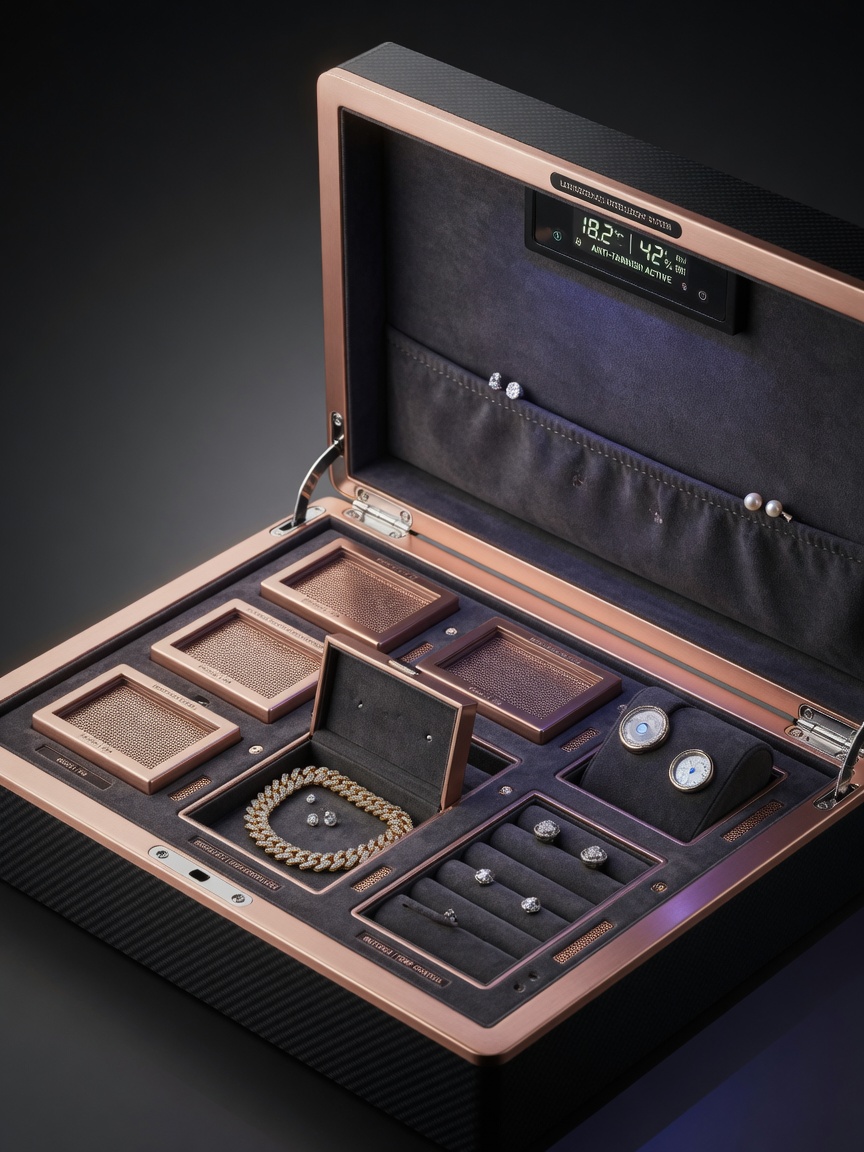
- Dehumidified jewelry safes or armoires
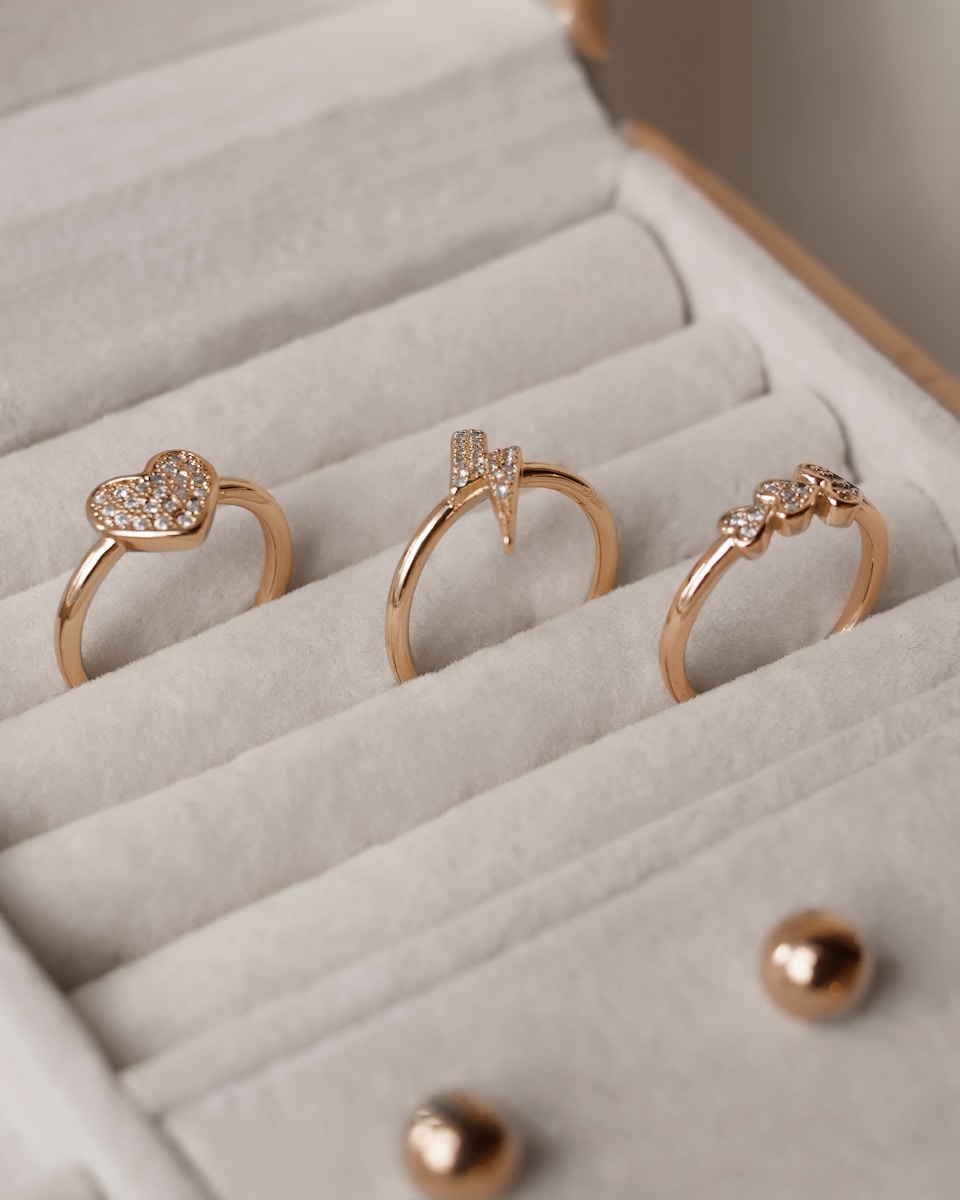
- Individual anti-tarnish pouches for each piece
- Climate-controlled vault storage for high-value collections
- Desiccant systems that maintain 40–45% relative humidity
Cleaning Methods That Actually Work in Florida
Approved At-Home Cleaning Solutions
Use only these gentle, Florida-tested methods:
- Warm water + mild dish soap (Dawn or similar)
- Baking soda and water paste for silver (avoid on gold)
- Commercial jewelry cleaners specifically labeled “non-toxic” and “chlorine-free”
- Professional jeweler’s polishing cloths
Avoid toothpaste, vinegar, ammonia, and bleach-based cleaners — these can cause permanent damage, especially in Florida’s already aggressive environment.
Professional Maintenance Schedule for 2026
Florida’s climate demands more frequent professional care than inland locations:
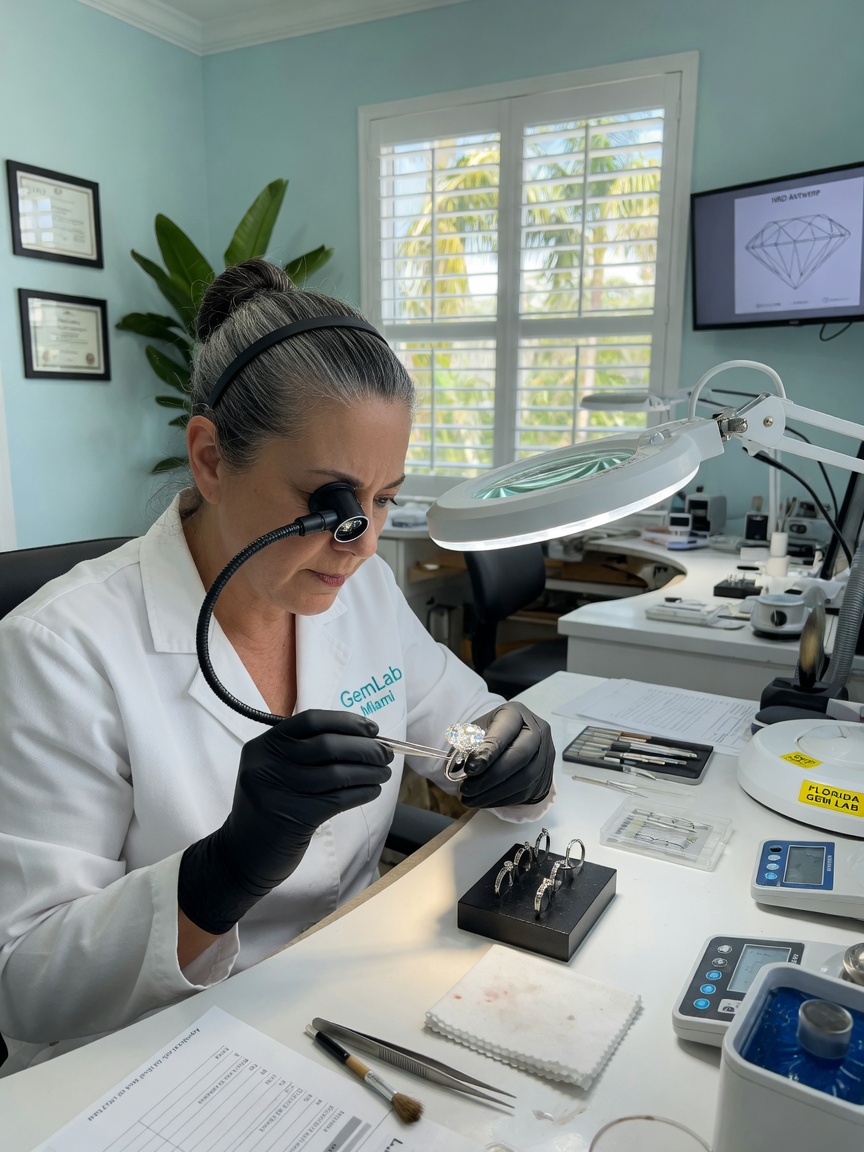
- Inspection and cleaning: Every 4–6 months
- Prong tightening: Every 6 months
- Stone setting evaluation: Annually
- Rhodium re-plating (white gold): Every 9–12 months
- Professional ultrasonic + steam service: Twice yearly
Traveling with Jewelry in Florida
When traveling between Florida’s different micro-climates (coastal vs. inland), use these precautions:
- Carry jewelry in anti-tarnish, moisture-wicking pouches
- Never leave pieces in hot cars
- Use TSA-approved travel jewelry cases with individual compartments
- Consider climate-controlled hotel safes for extended stays
Choosing Jewelry That Lasts in Florida
When purchasing new pieces, consider these Florida-smart choices:
- Platinum over white gold for maximum durability
- Higher karat gold (18k+) for better corrosion resistance
- Secure tension settings or bezel settings over prong settings
- Stainless steel or titanium for everyday wear
- Natural diamond or sapphire over emeralds or opals for daily rings
Conclusion: Preserving Your Jewelry Legacy in Florida
Florida’s beautiful but demanding climate doesn’t mean you must sacrifice wearing or enjoying fine jewelry. By implementing these updated 2026 care protocols — from simple daily habit changes to strategic professional maintenance — you can ensure your treasured pieces remain beautiful for generations.
Remember: consistency is key. The small effort of removing jewelry before swimming, waiting for sunscreen to absorb, and scheduling regular professional inspections will dramatically extend the life and brilliance of your collection.
At Cleopatra’s Barge, we specialize in helping Florida residents protect and restore their fine jewelry. Our team understands the unique challenges of our subtropical environment and offers climate-specific care services designed for 2026 and beyond.
Protect what you love. Your jewelry deserves the best care Florida has to offer.