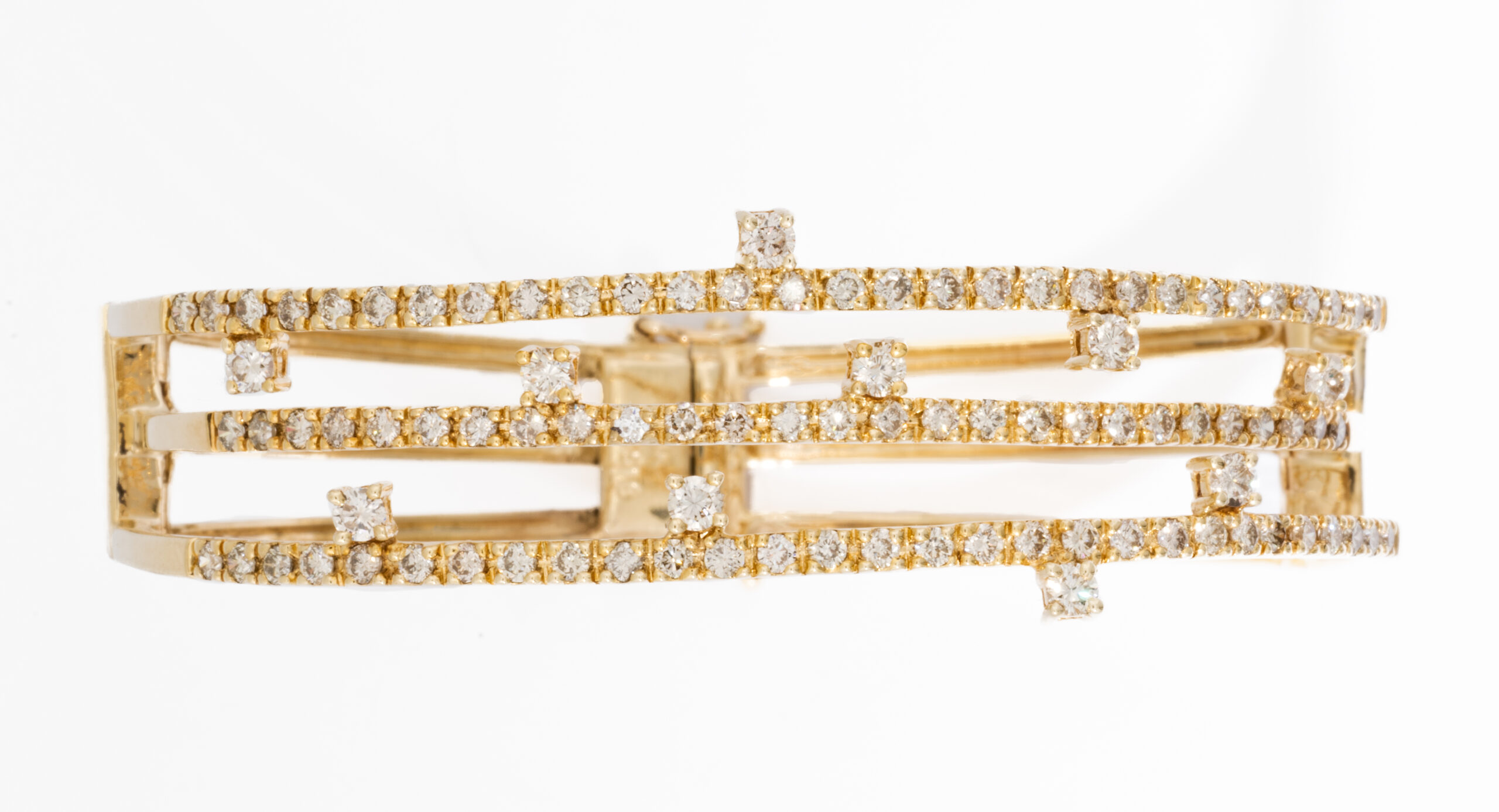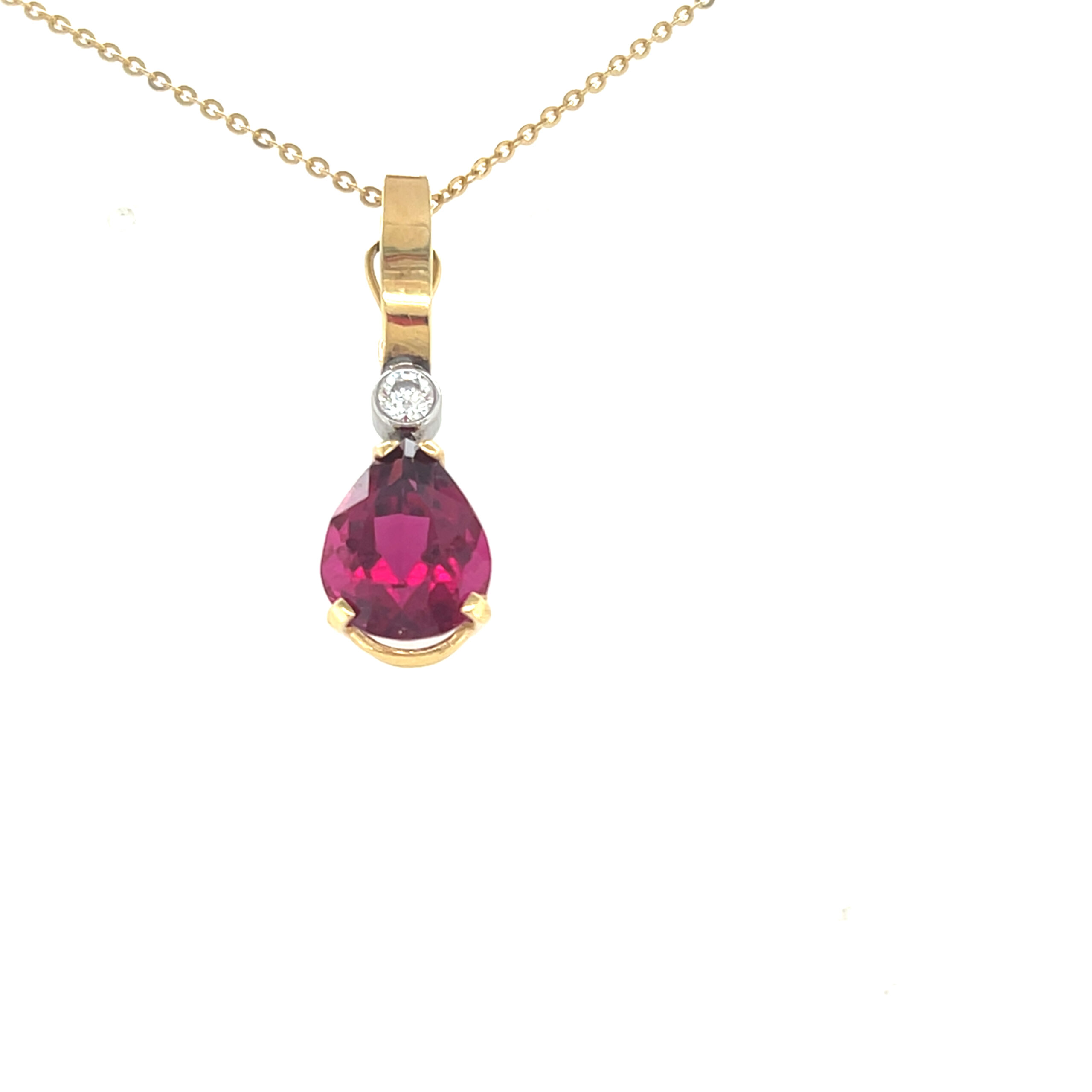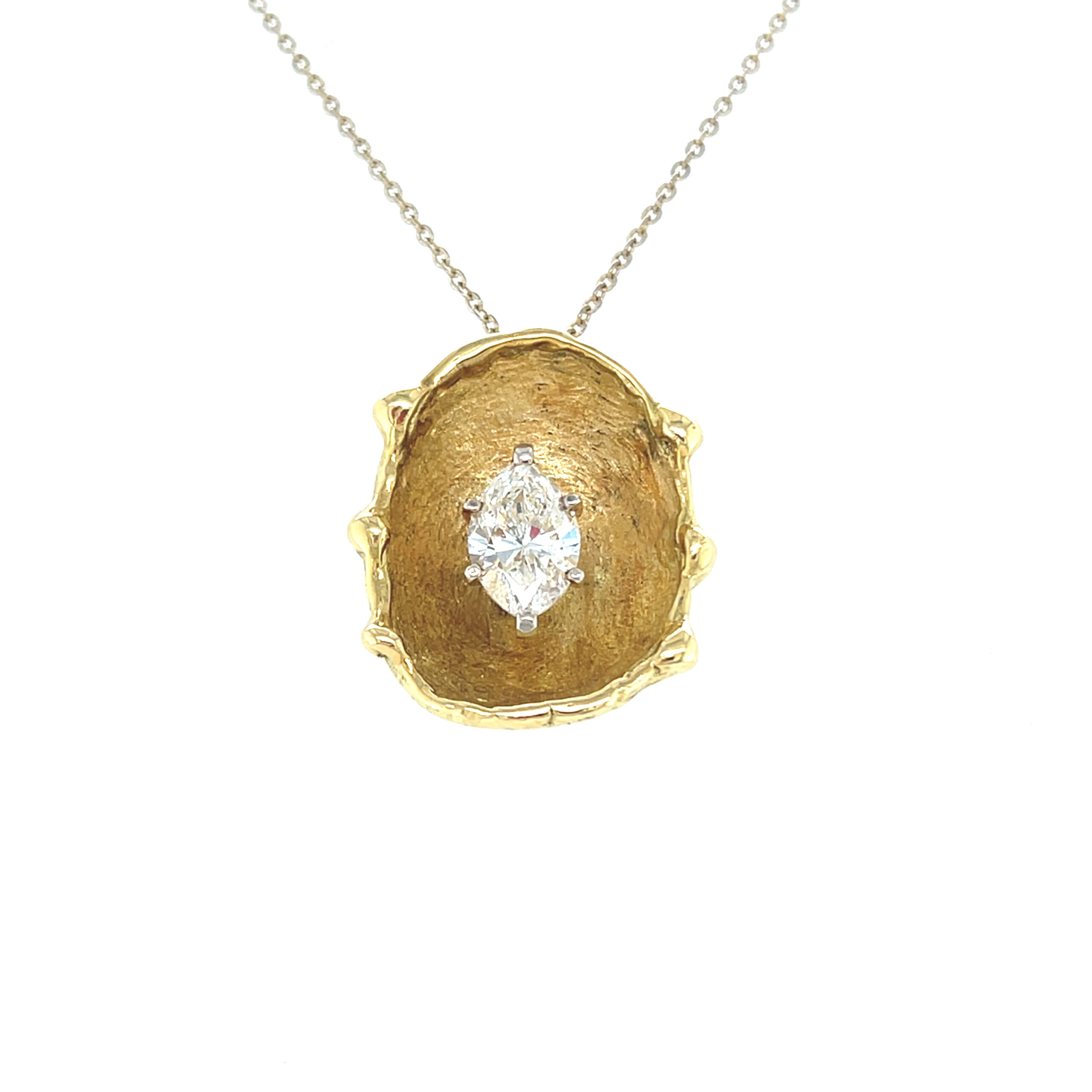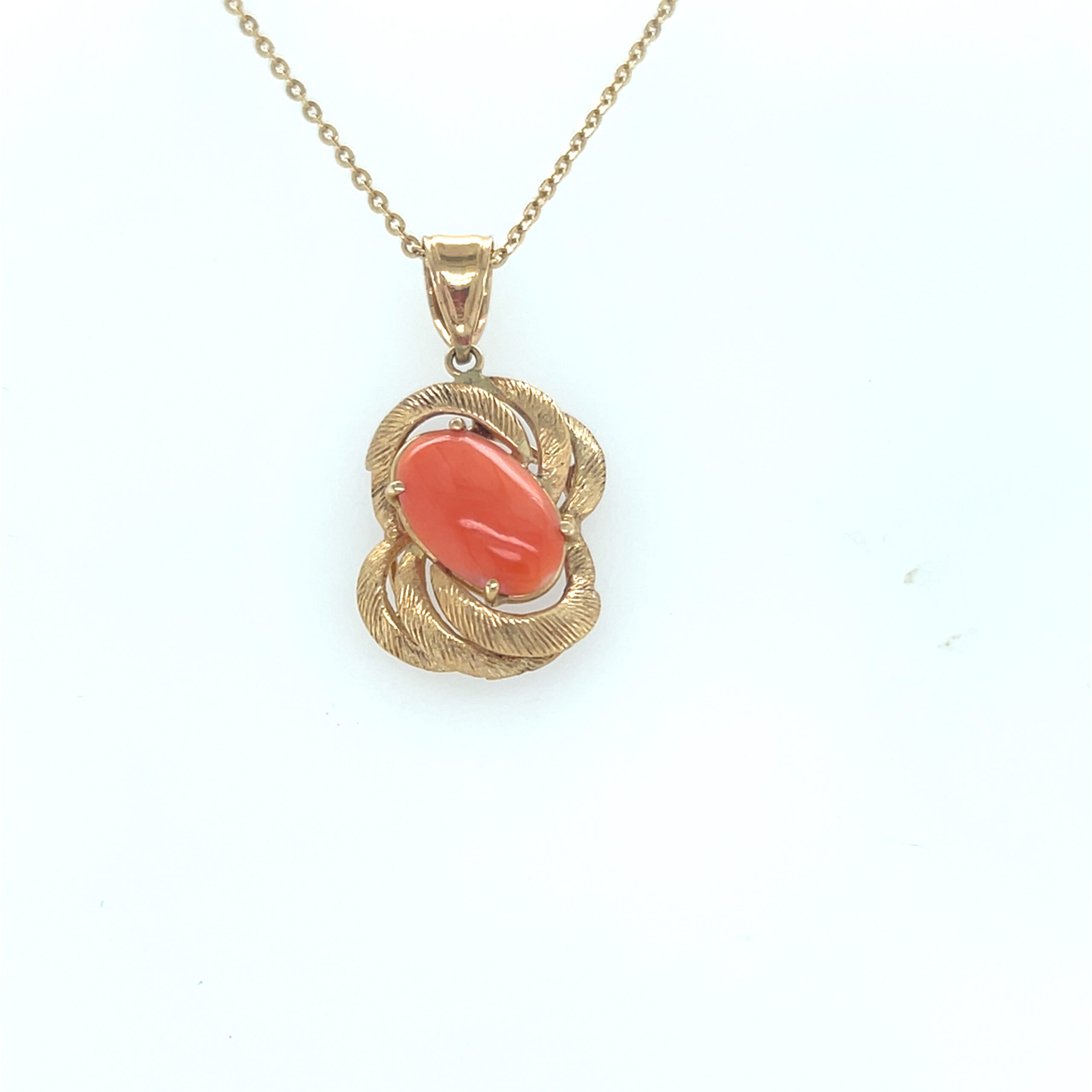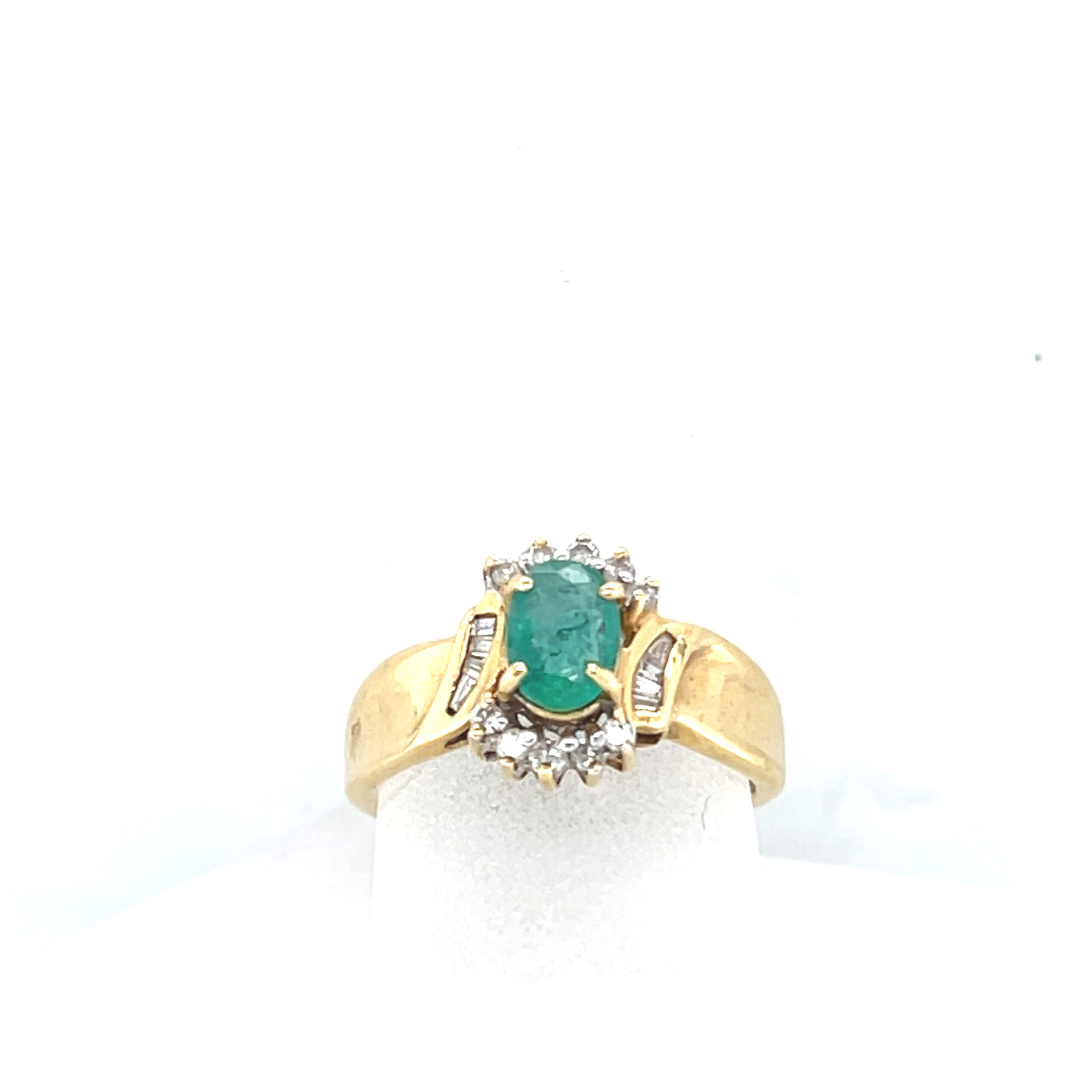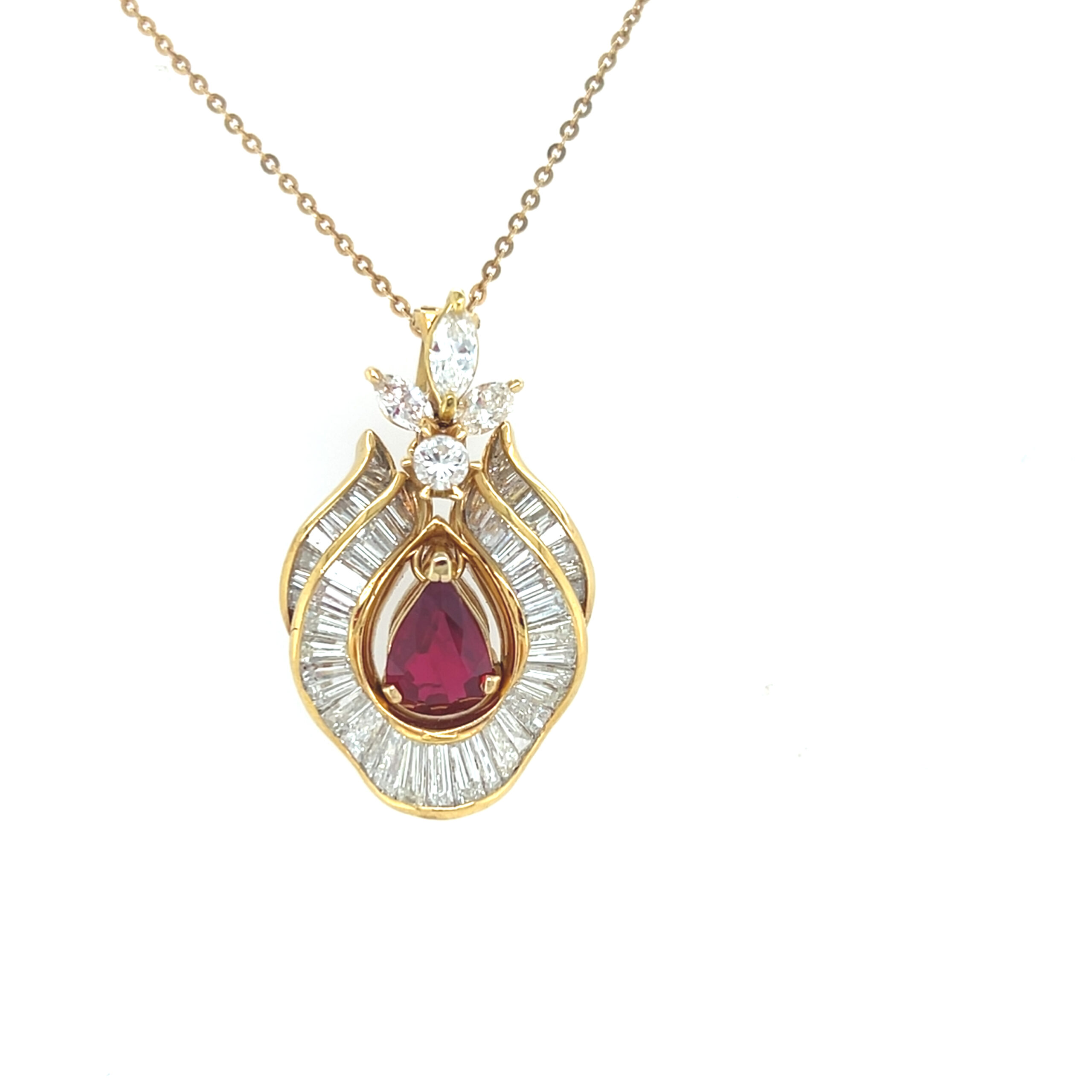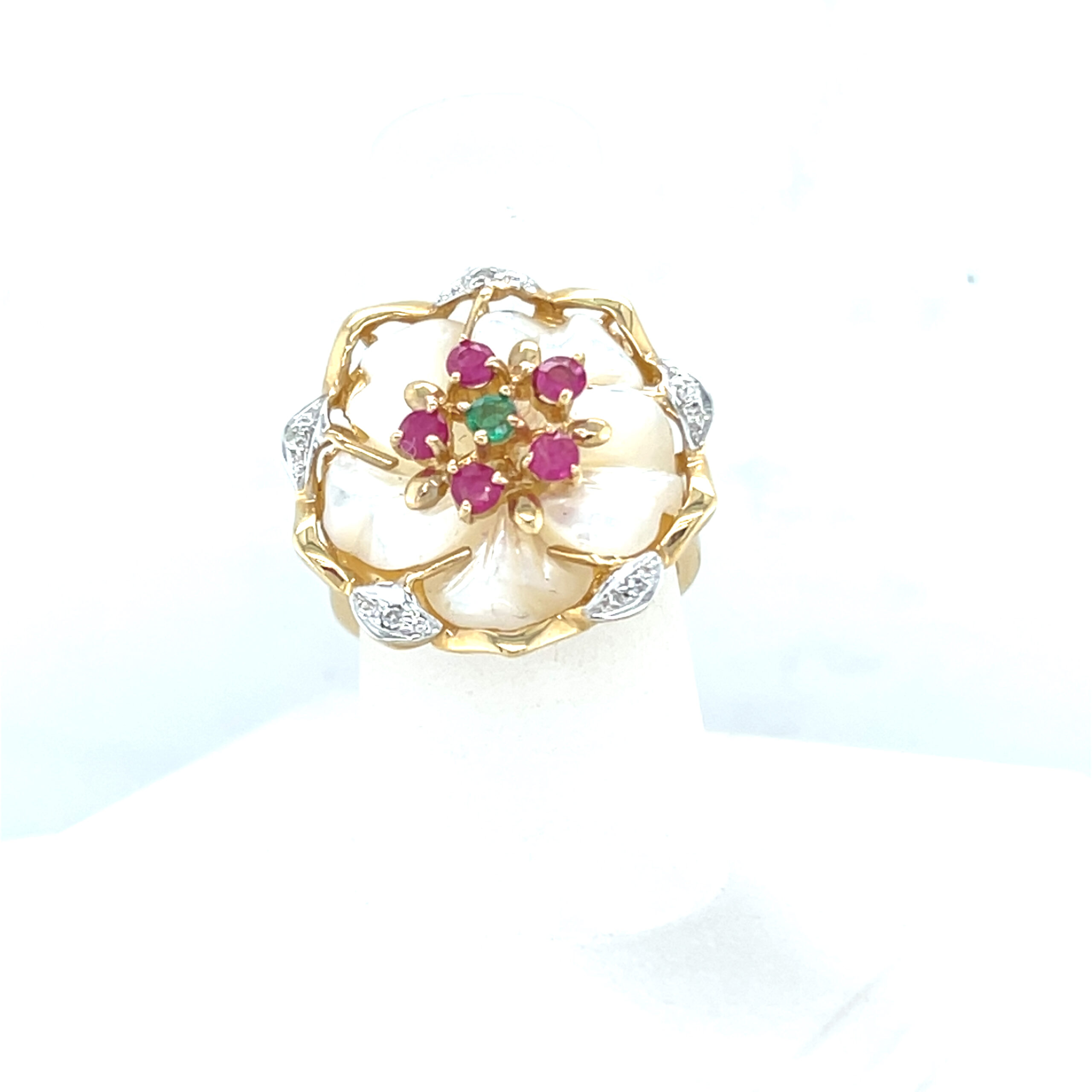


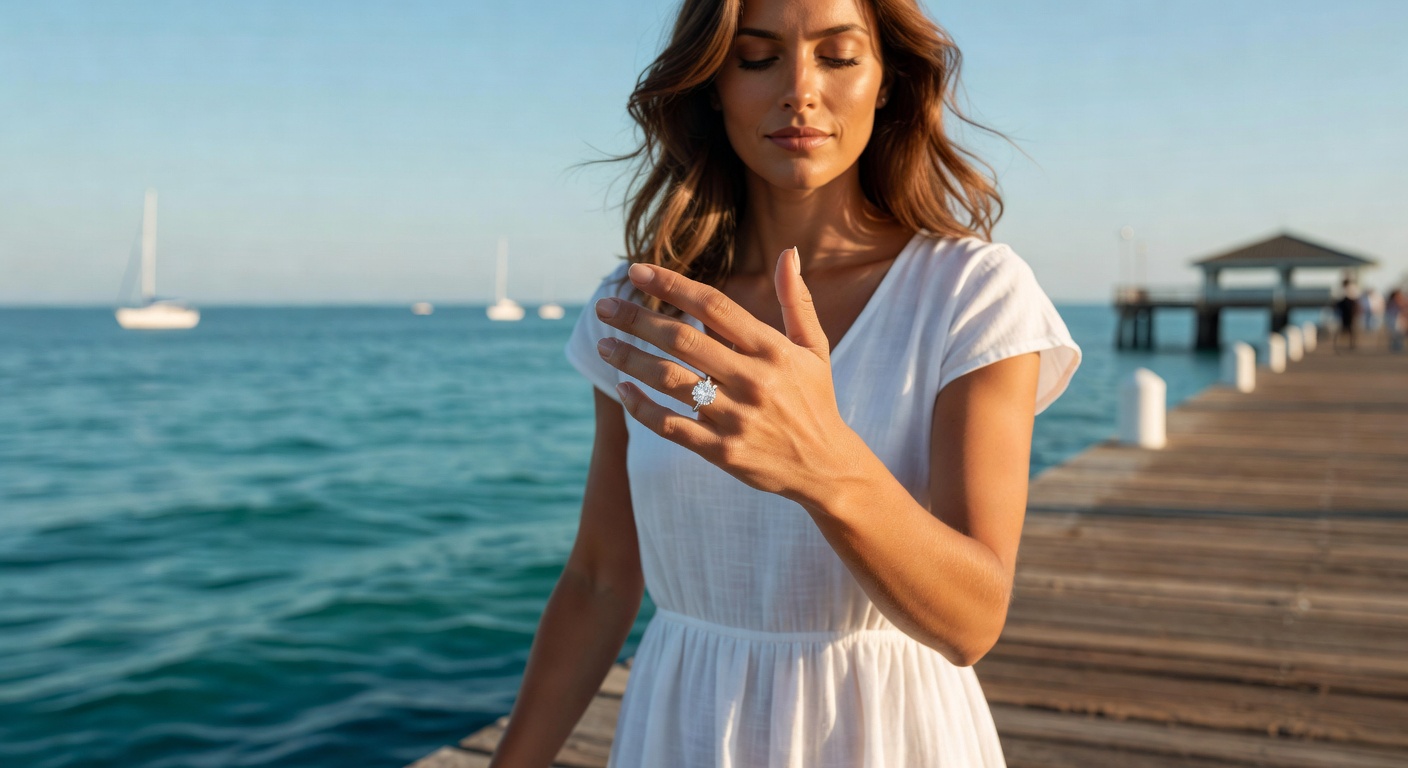
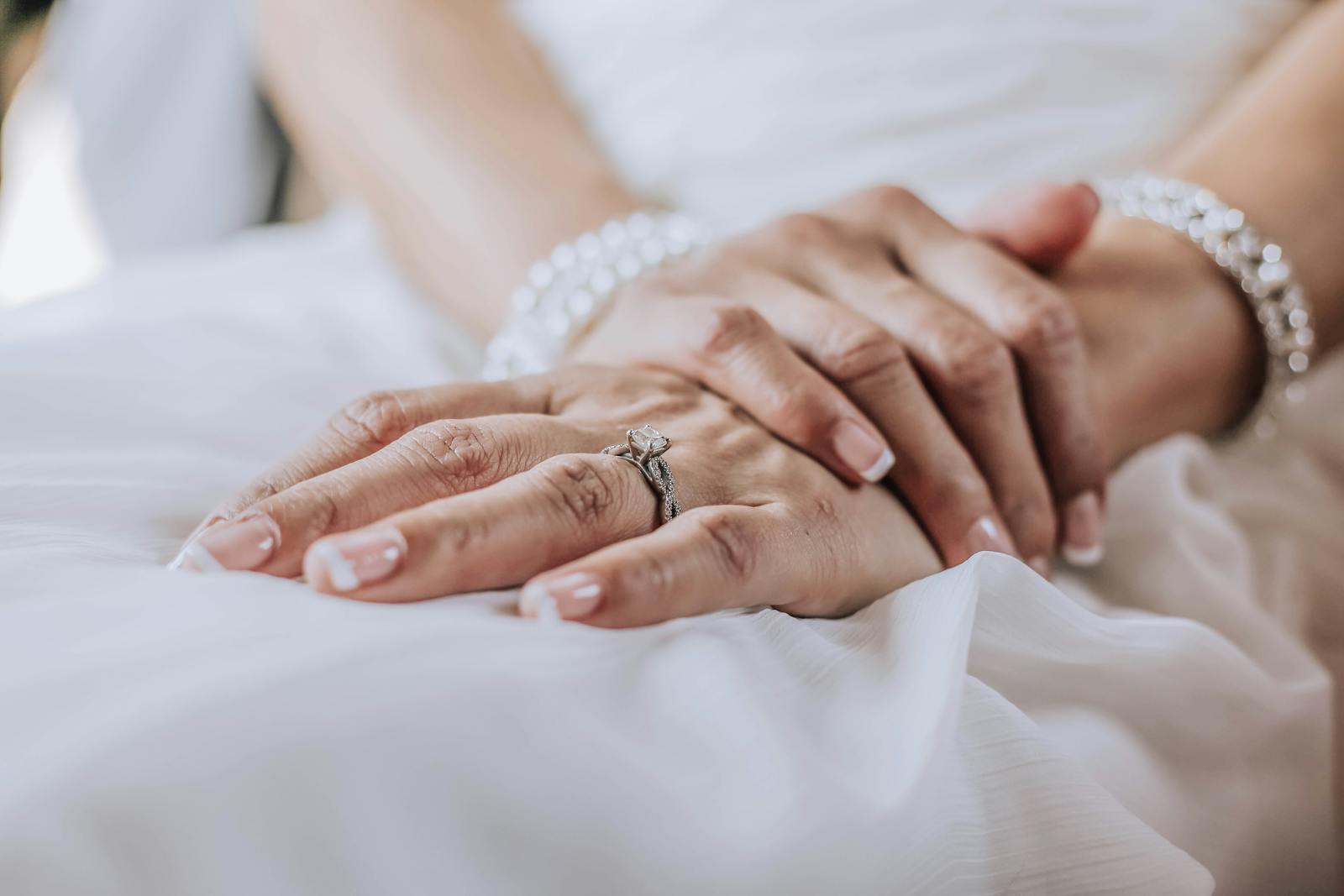
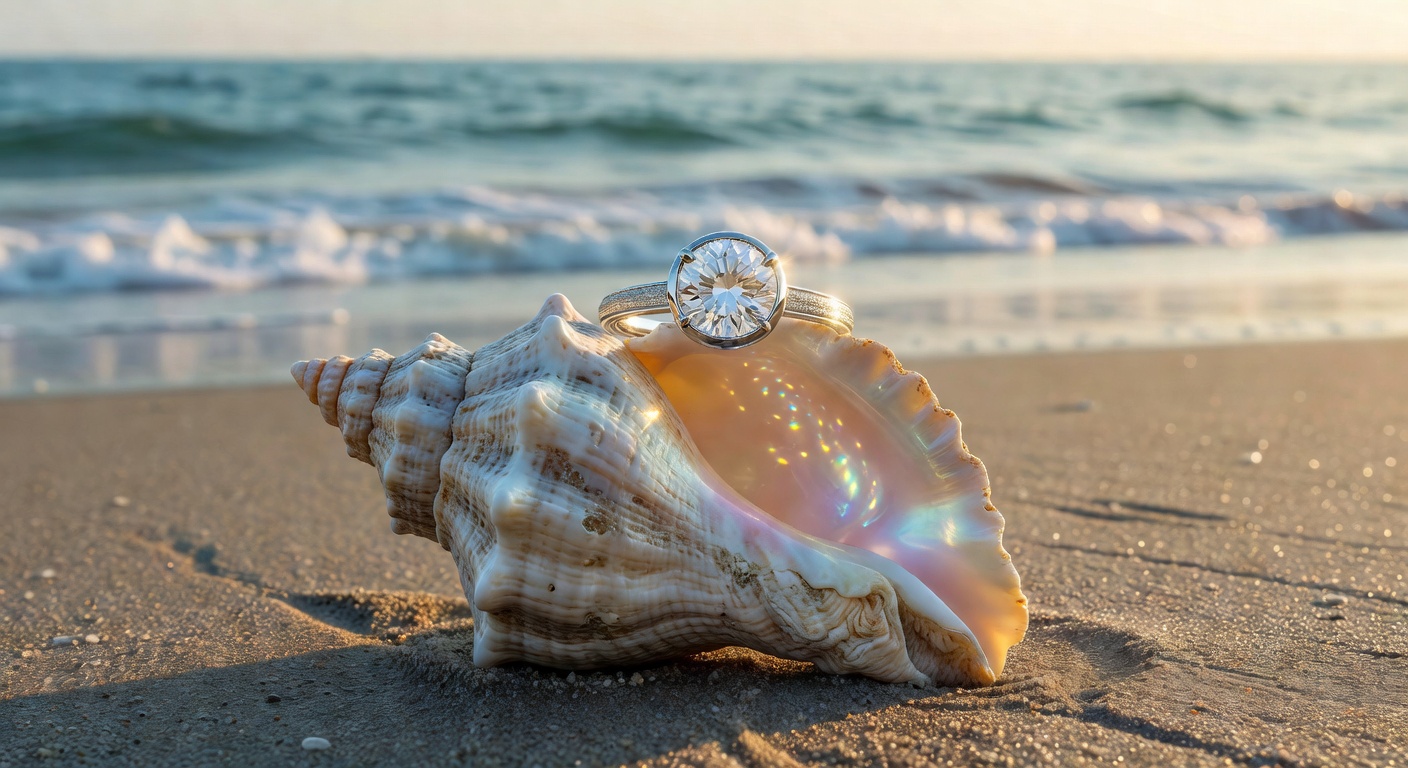

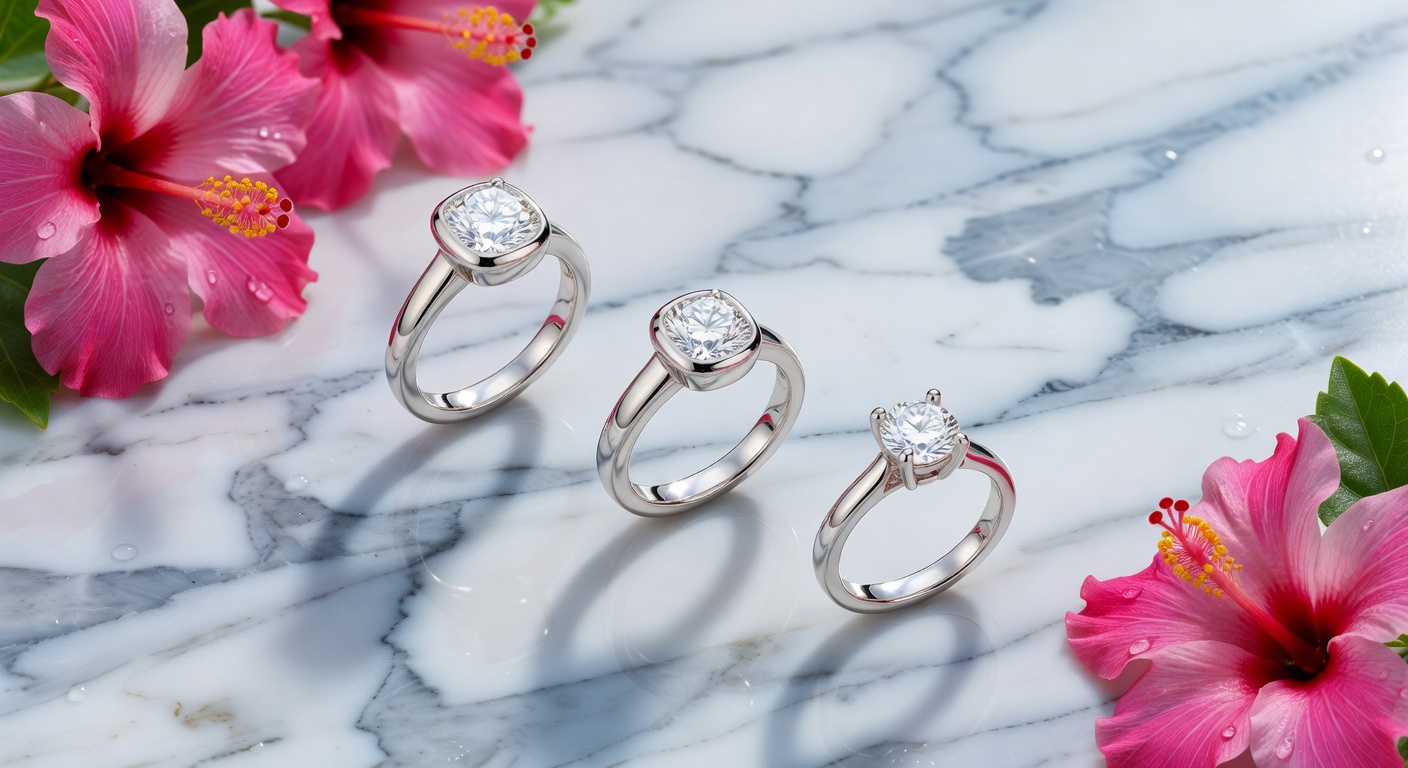


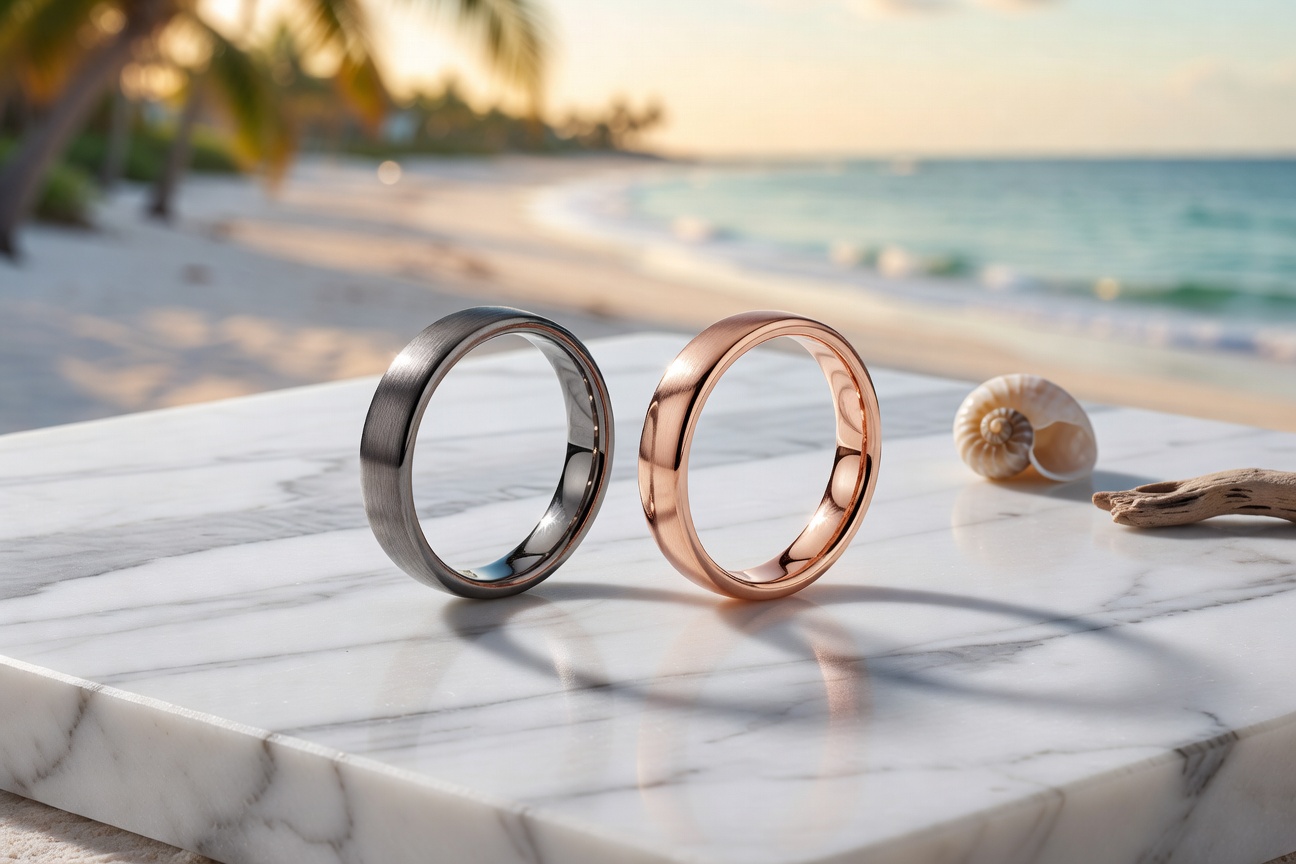
October is the month color refuses to stay still. In Naples, Florida, where Gulf light shifts from pearl to gold in a single hour, two extraordinary gems perfectly capture that restless beauty. Opal, the traditional October birthstone, enchants with its living play-of-color. Tourmaline, its modern companion, appears in more colors than any other gemstone on earth. Both speak the same four quiet languages: creativity, hope, confidence, and emotional truth.
At Cleopatra’s Barge Fine Jewelry we have long believed that certain stones choose their wearers. For those born in October or celebrating the 8th and 14th wedding anniversaries, opal and tourmaline feel almost inevitable. One stone shimmers with every hue at once; the other offers every hue in pure, confident form. Together they remind us that lasting relationships, like fine gems, reveal new depths the longer we turn them in the light.
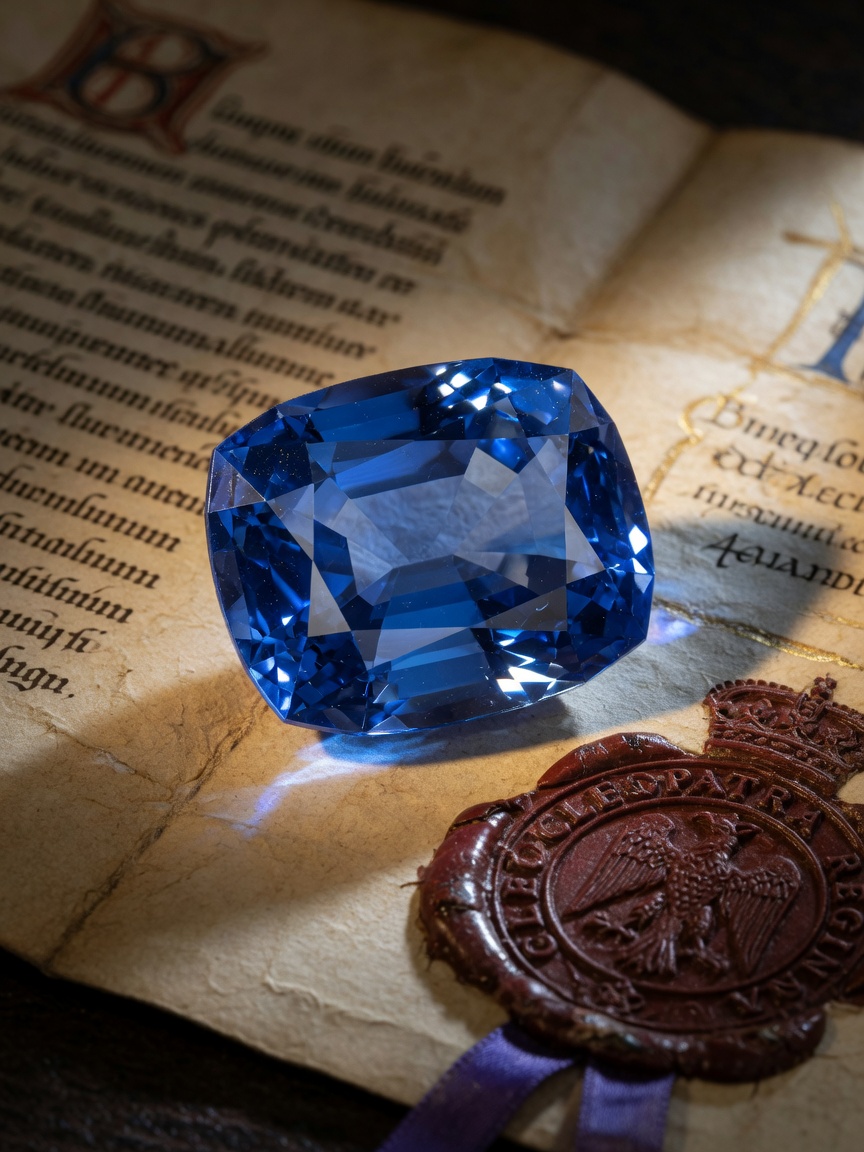
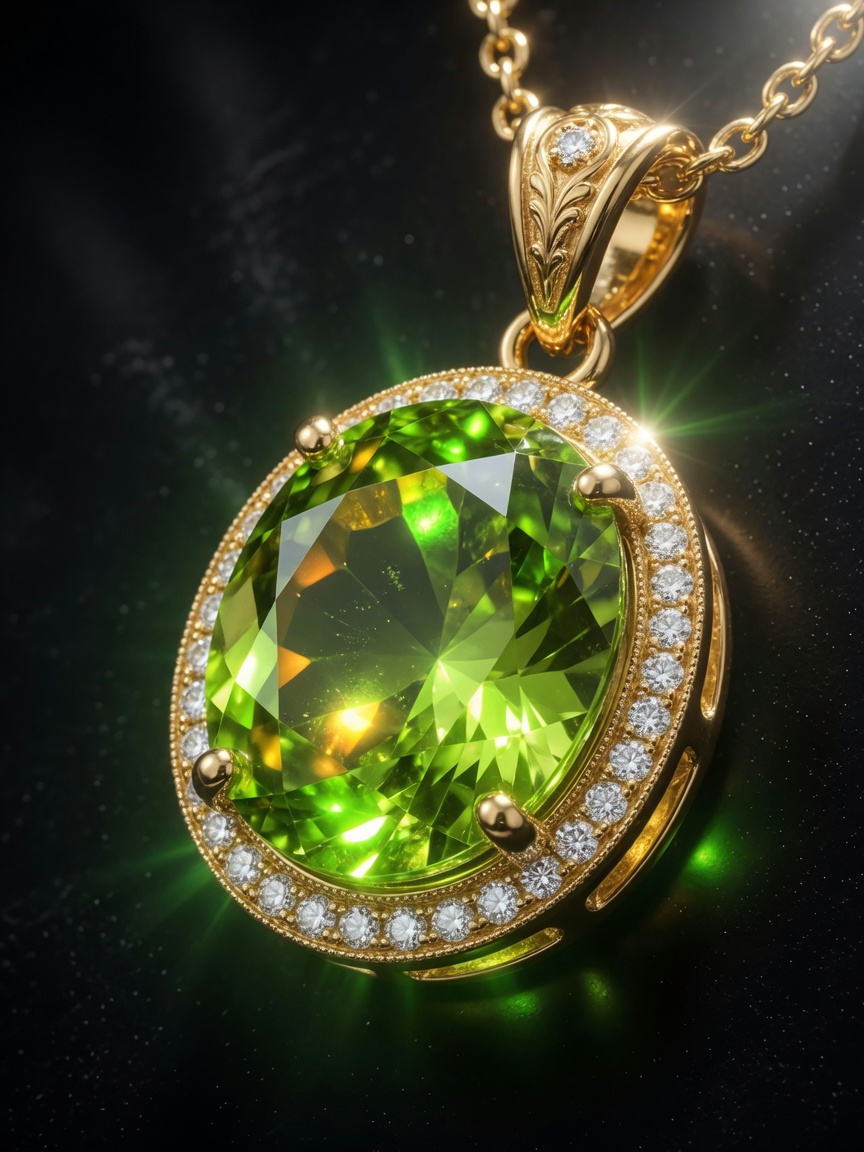
Image Grid 1
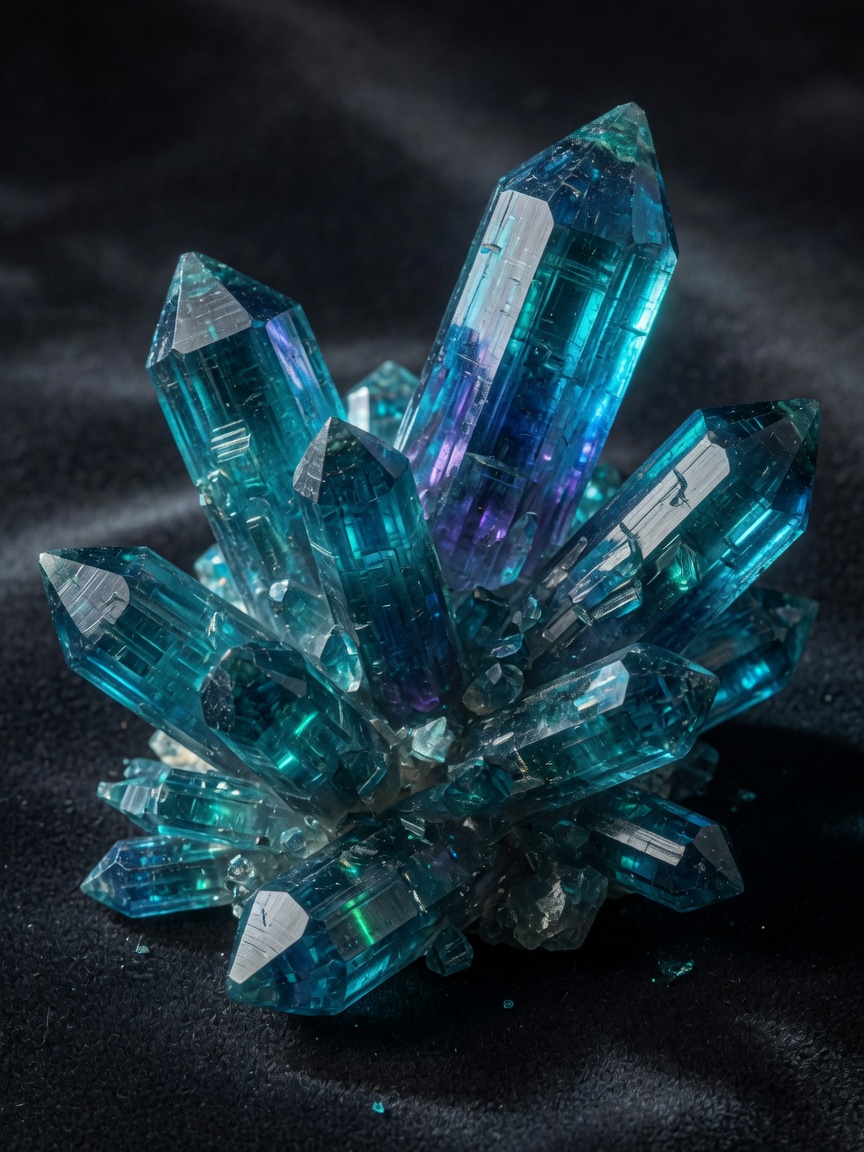
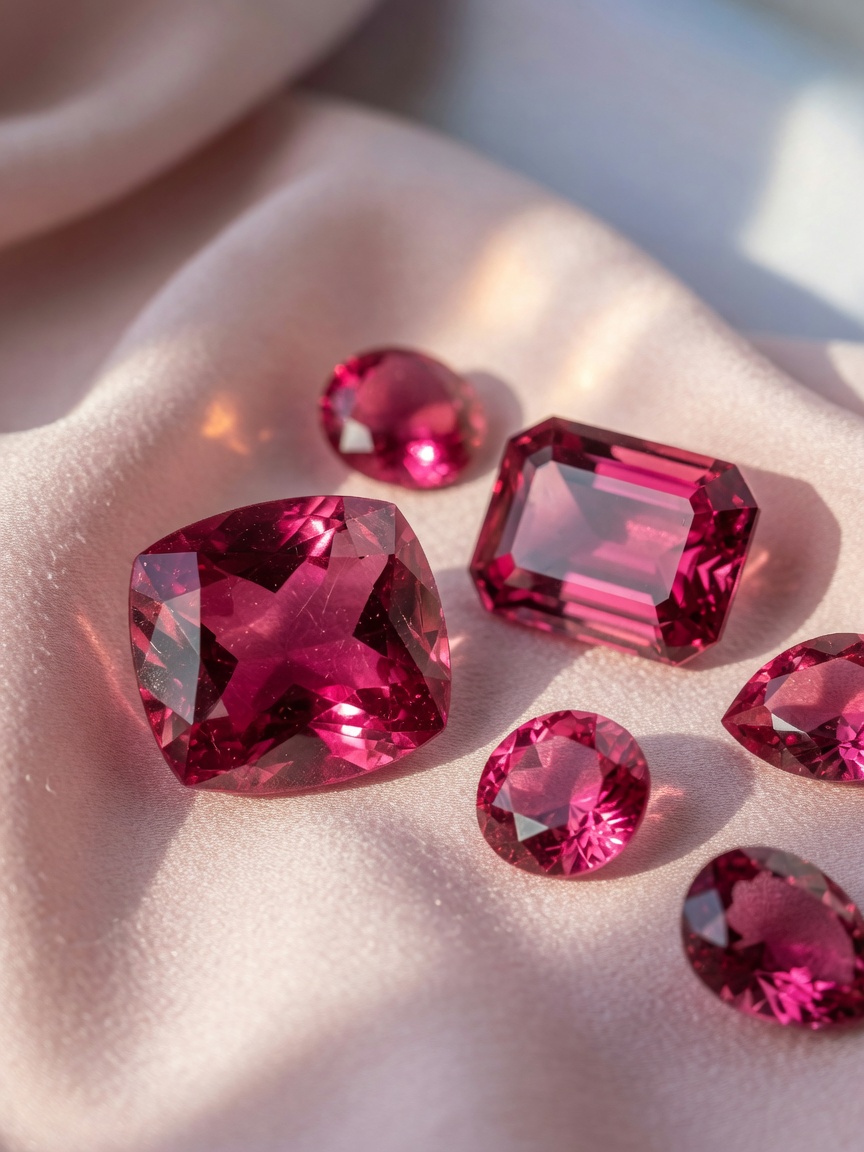
This is not a catalog of stones for sale. It is an invitation to understand why these two gems have moved hearts and imaginations for centuries. We will touch on their shared themes, wander through qualified history and elegant science, and celebrate the meanings that make them ideal companions for life’s most colorful chapters. For deeper reading, visit our dedicated pages on opal meaning and tourmaline history and lore.
The Traditional and Modern October Birthstones
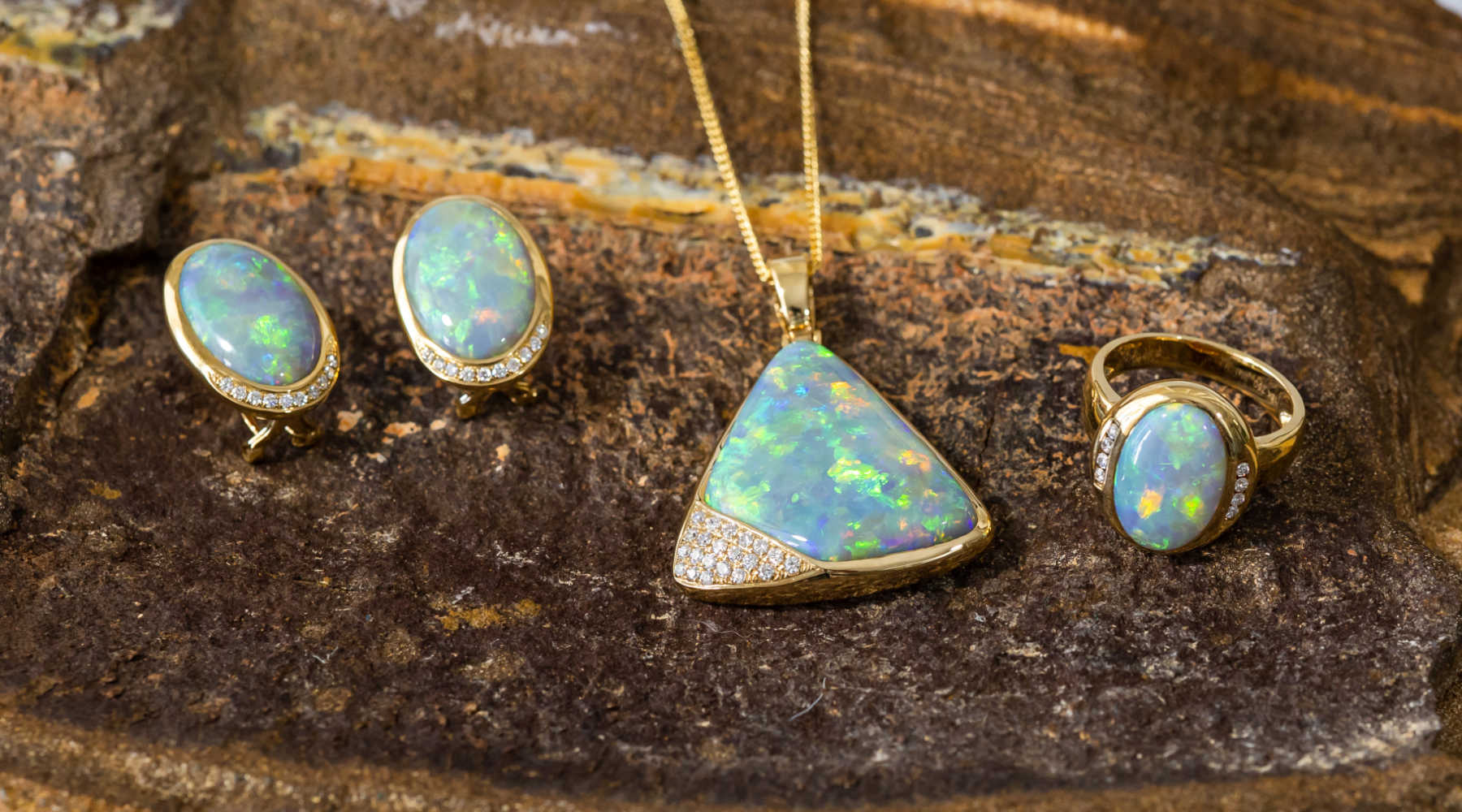
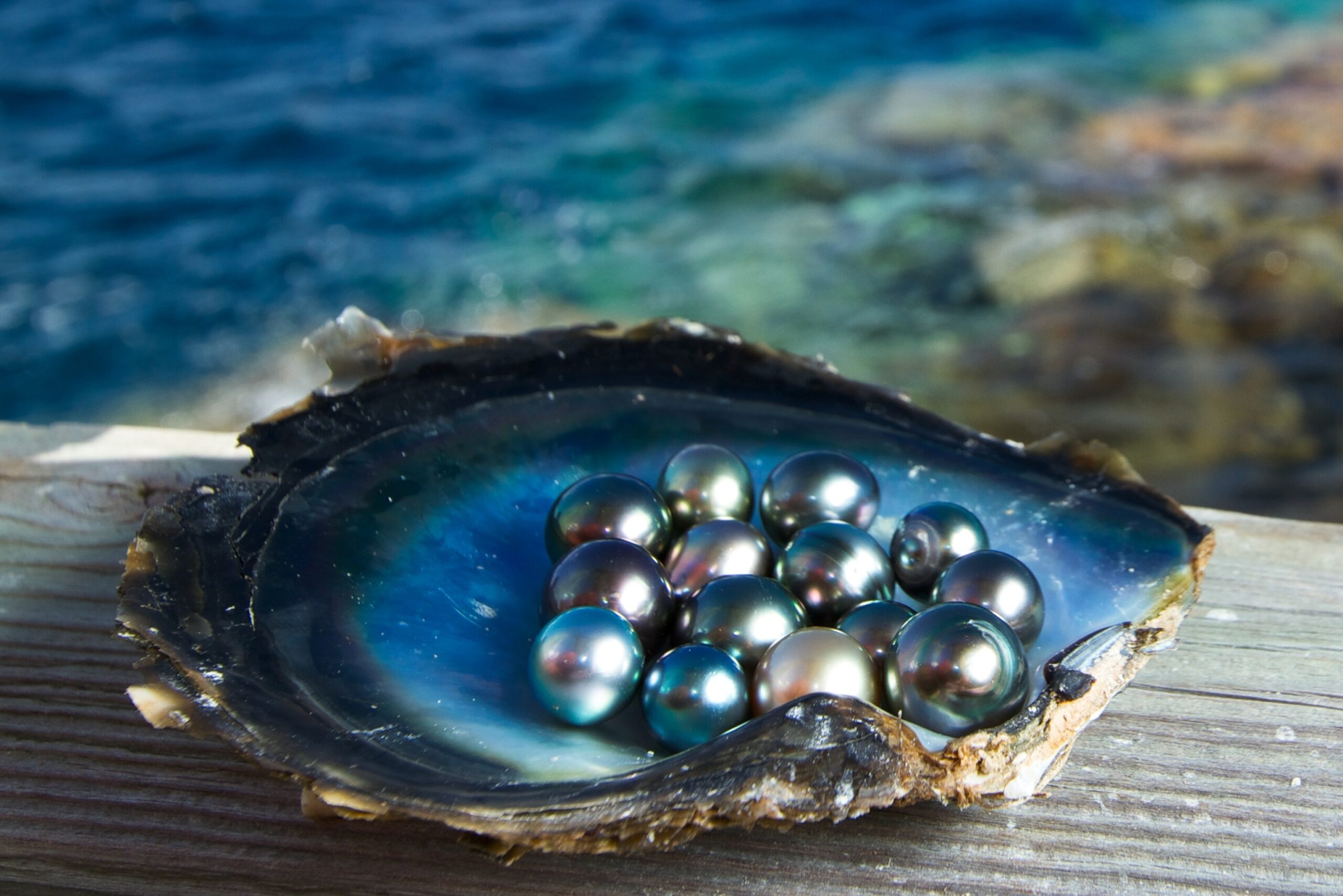
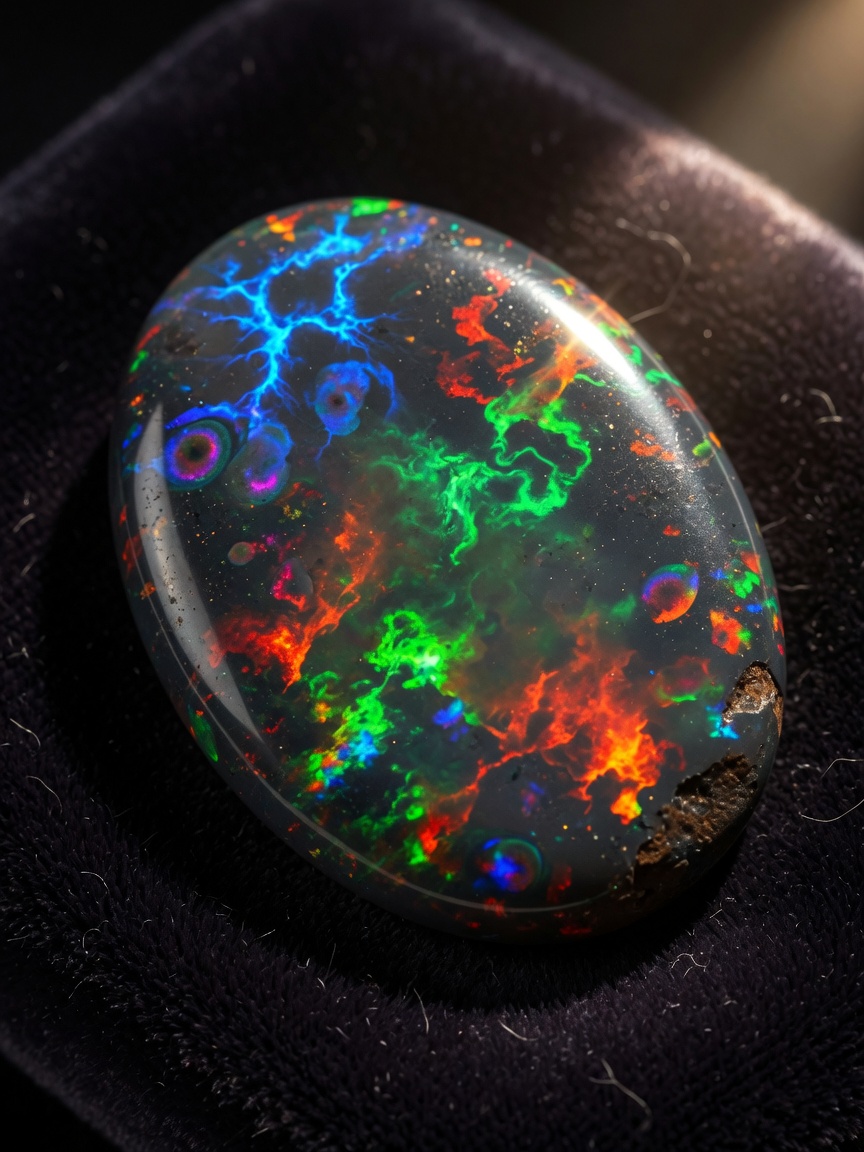
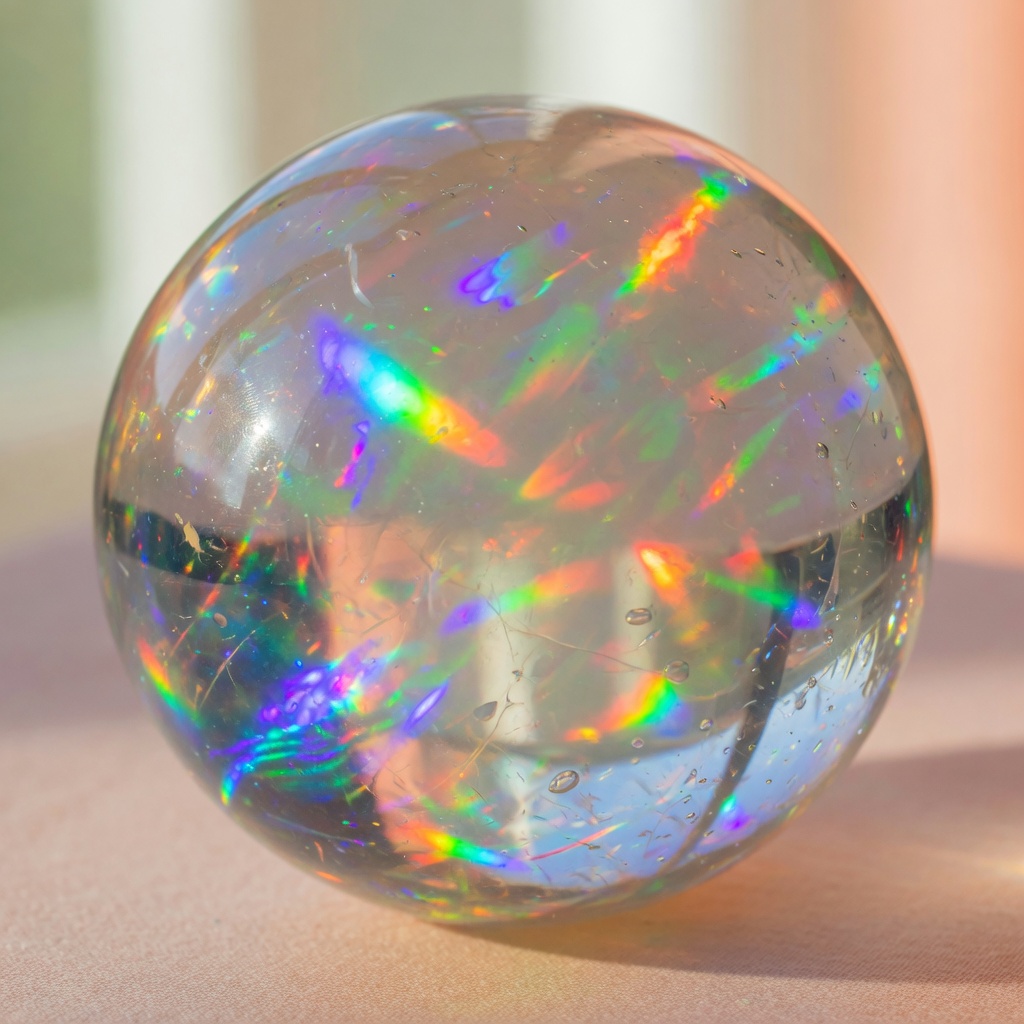
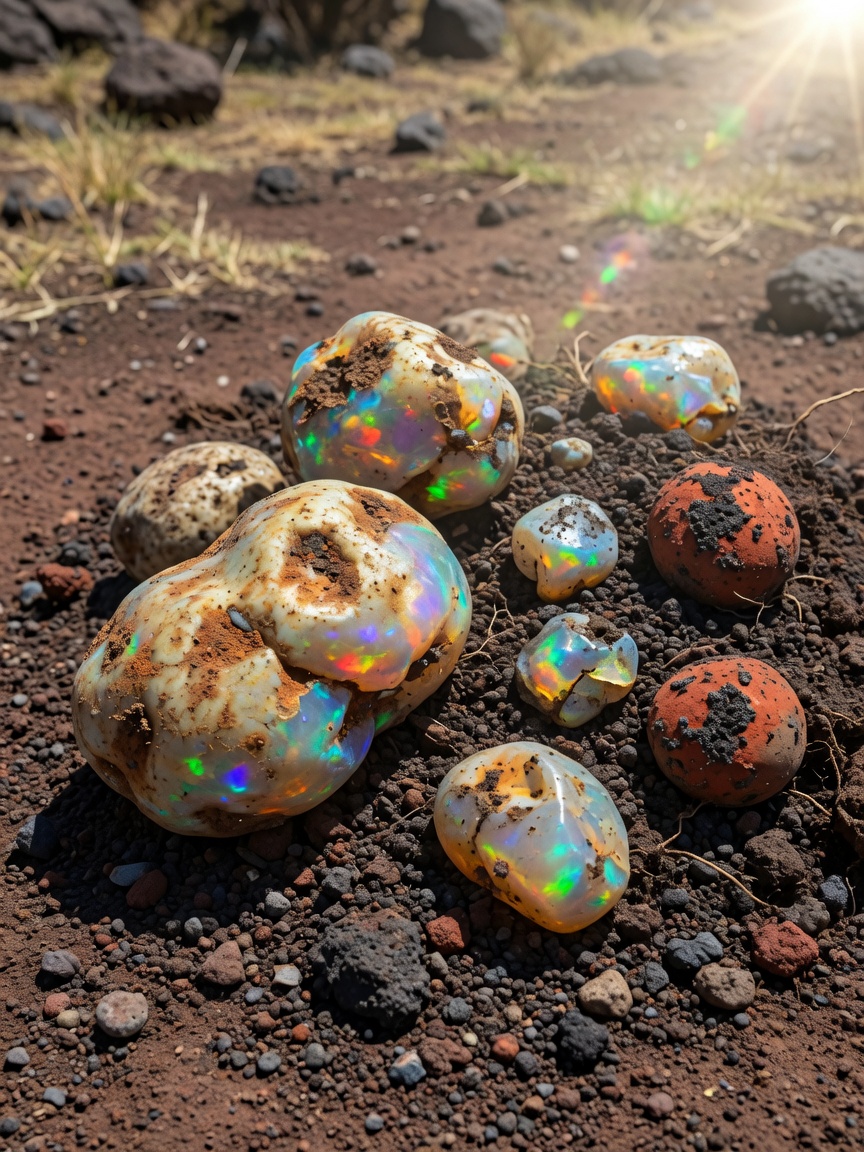
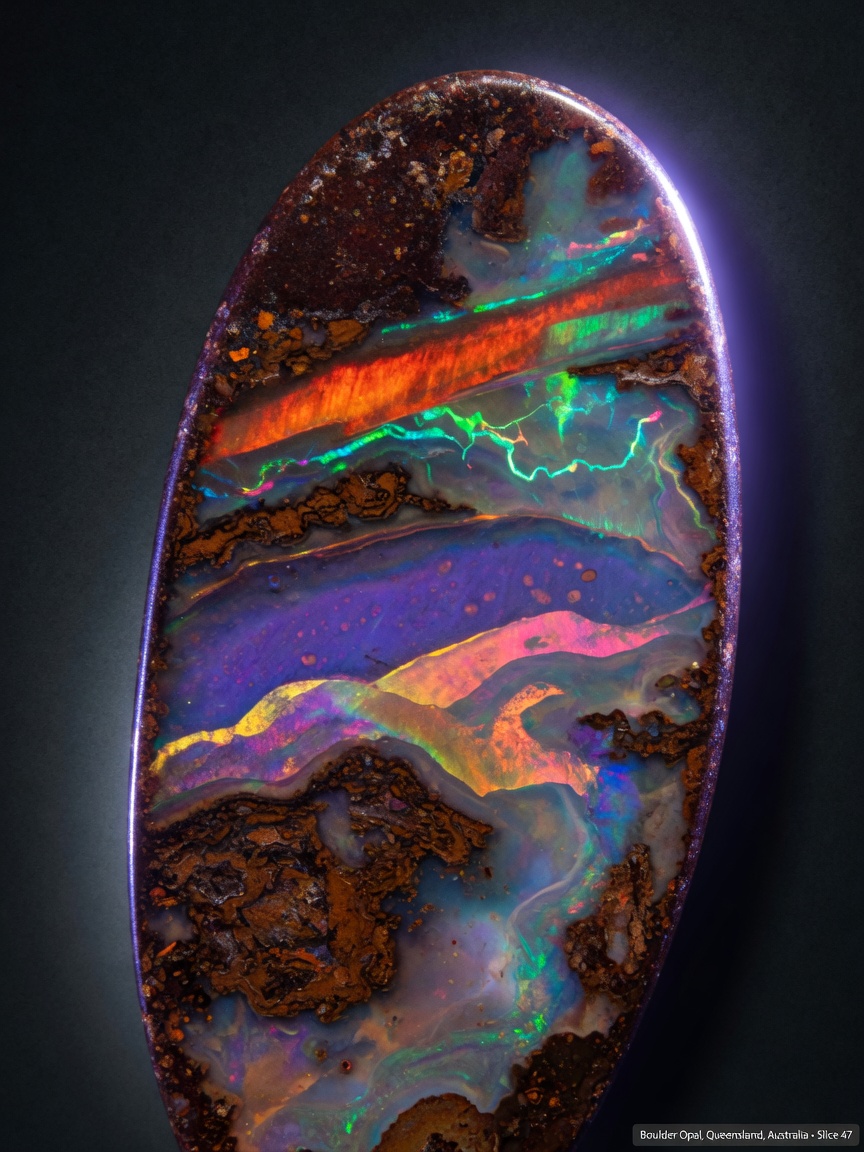
Opal has held the title of October’s traditional birthstone for centuries. Its signature play-of-color—flashes that travel across the stone as it moves—never comes from dye or pigment. The hues are born when light bends through microscopic spheres of silica, a phenomenon jewelers call diffraction. No two opals are ever exactly alike.
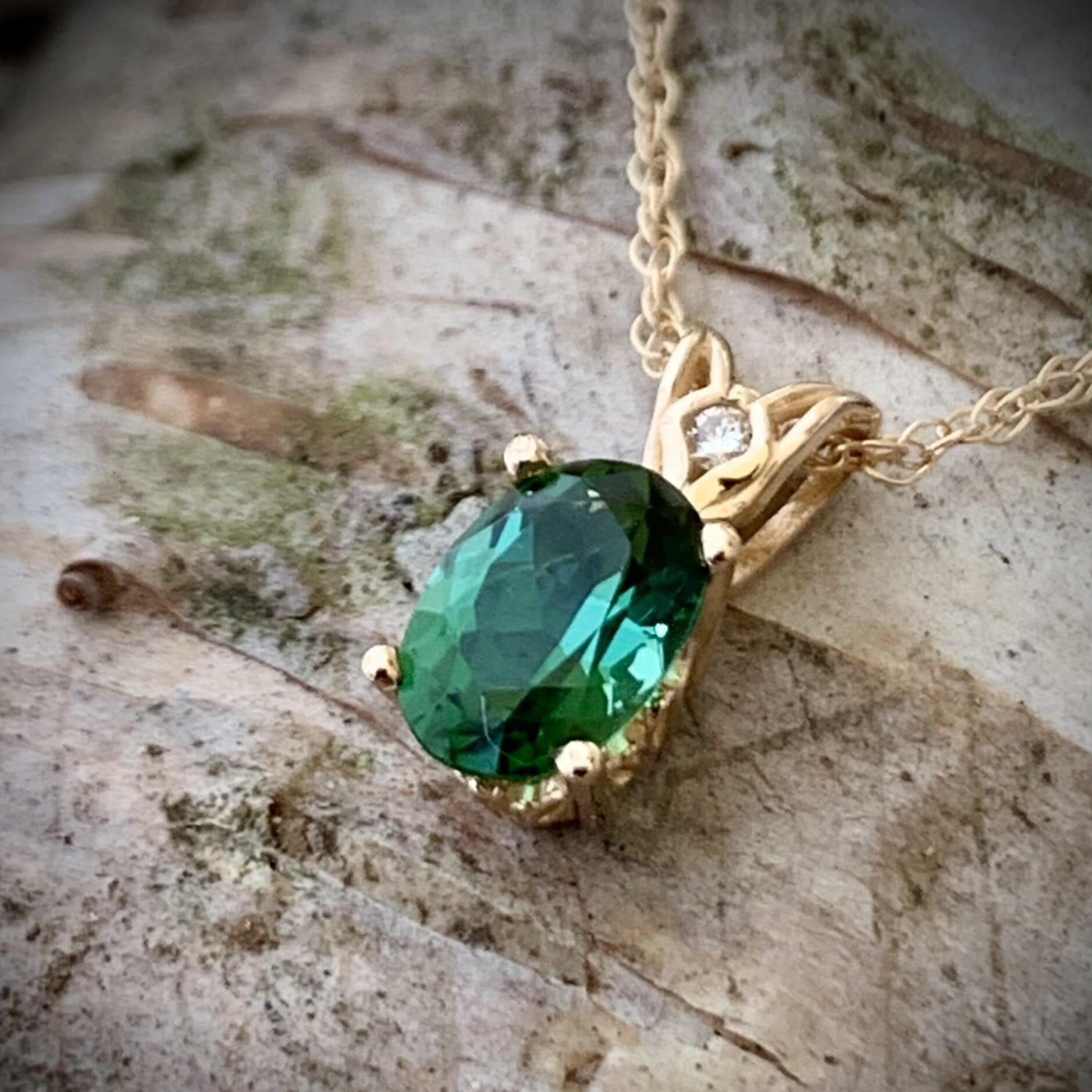
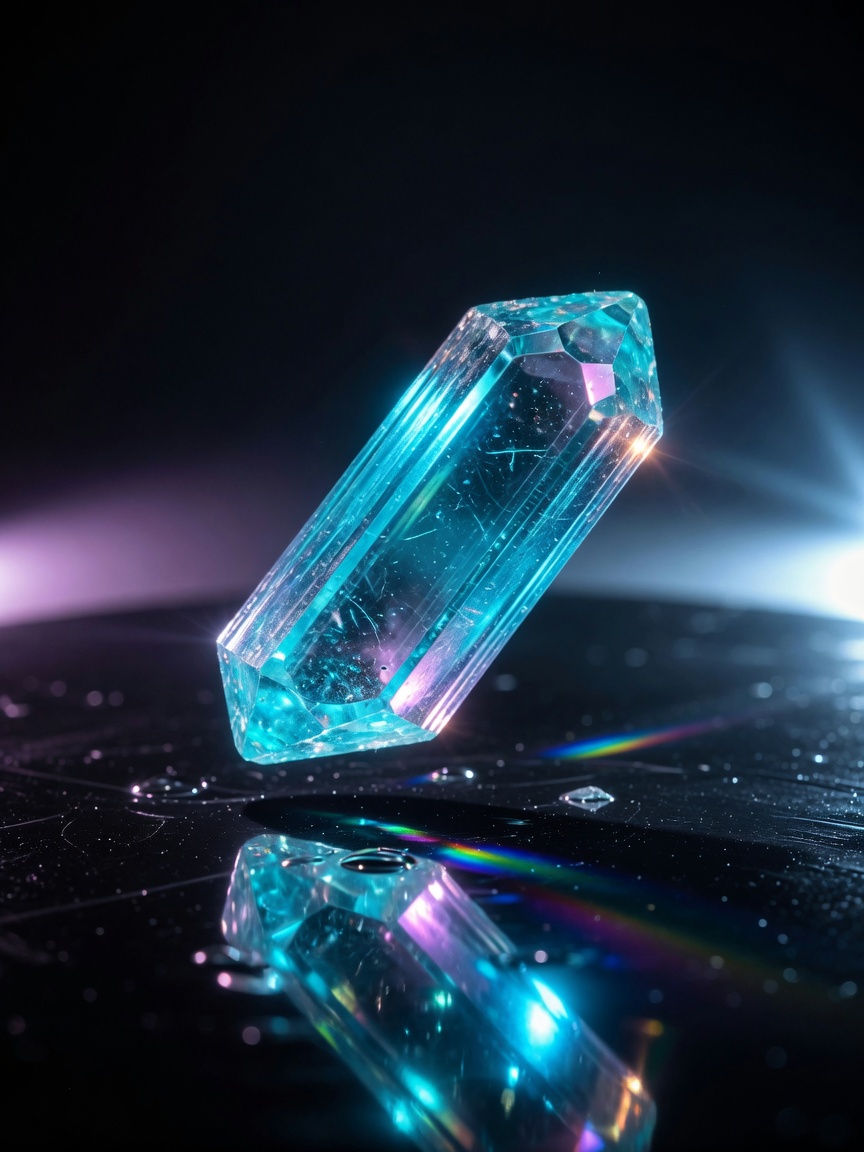
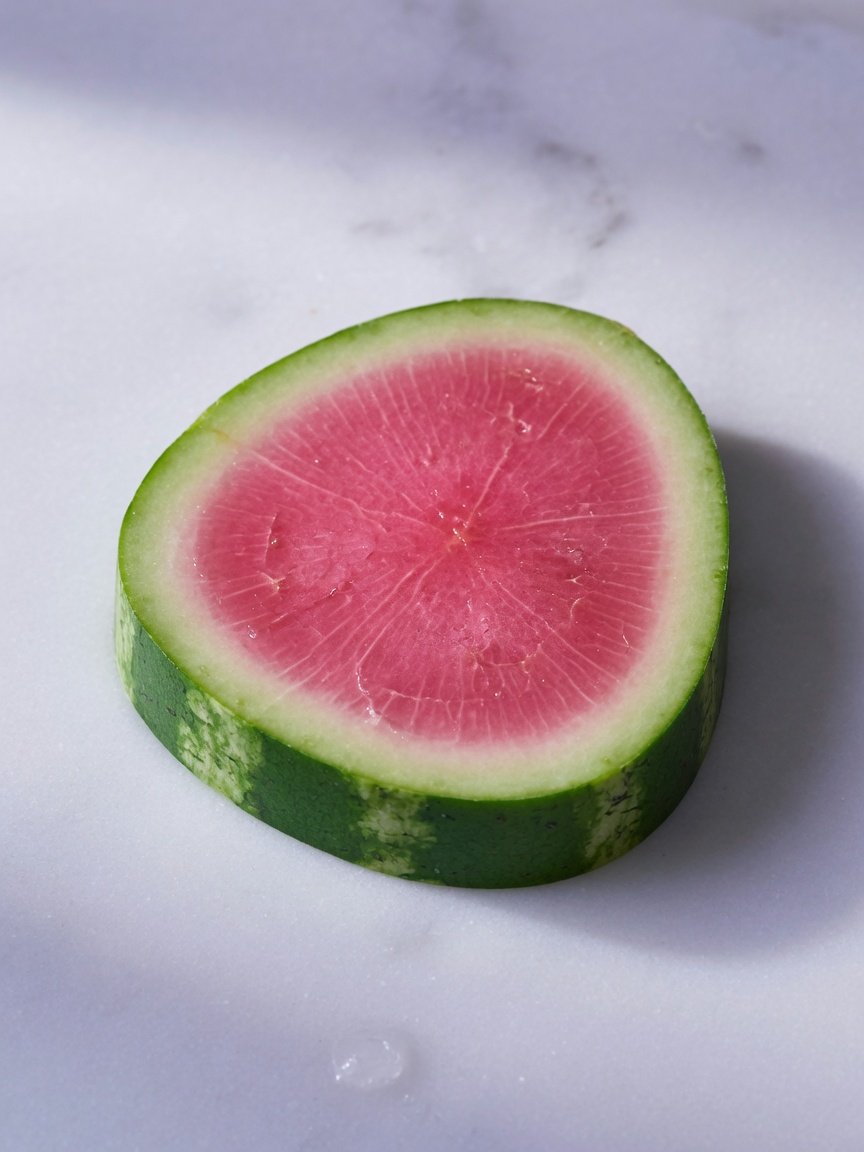
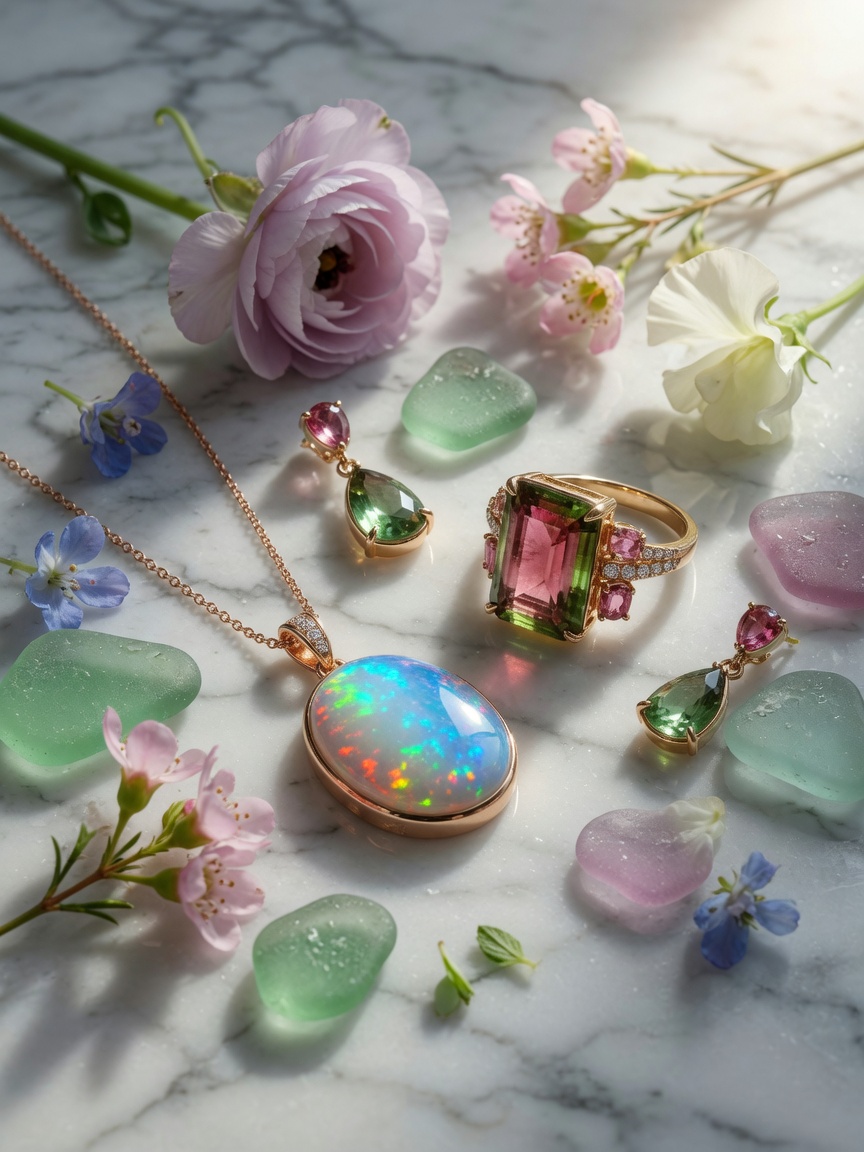
Tourmaline is the modern October birthstone, officially recognized in the early 20th century. Mineralogists consider it the most chromatically versatile species on earth. A single crystal can transition from pink to green within the same stone, earning the affectionate nickname “watermelon tourmaline.” From neon blues to deep reds, tourmaline refuses to be limited by one palette.
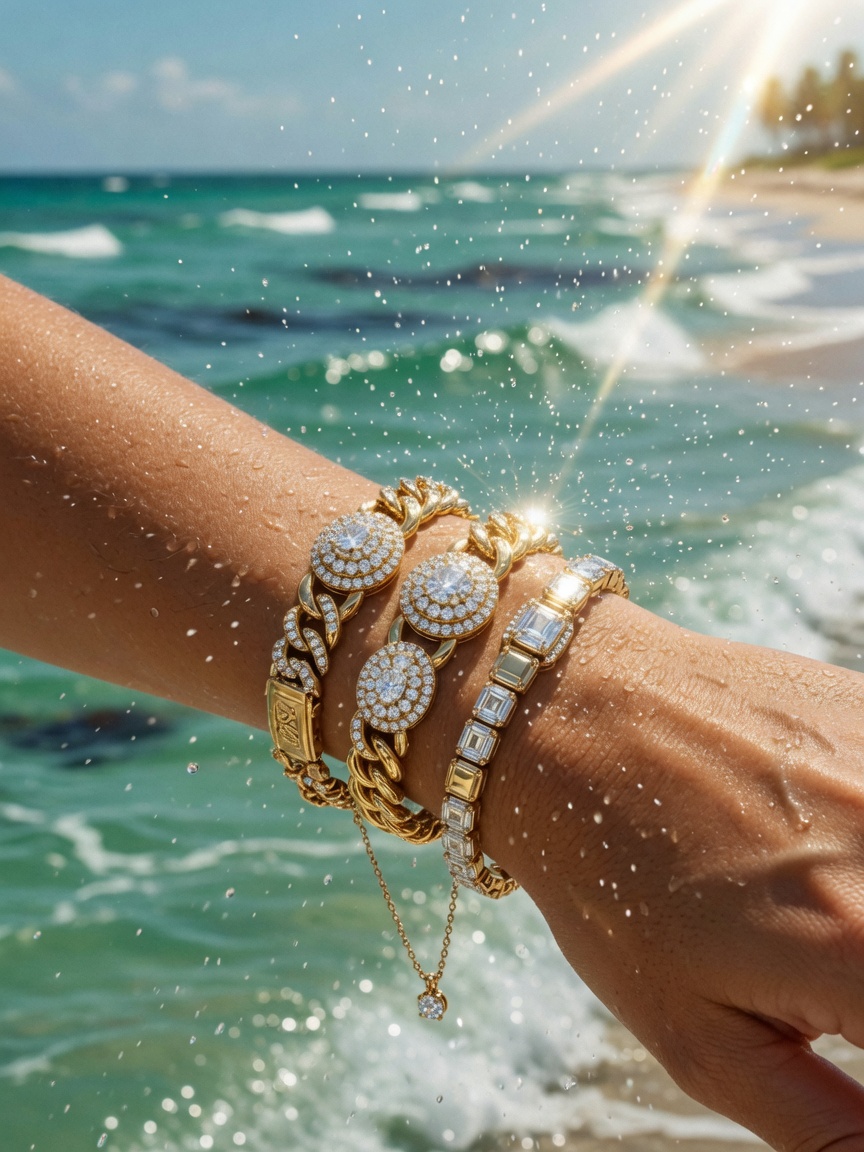
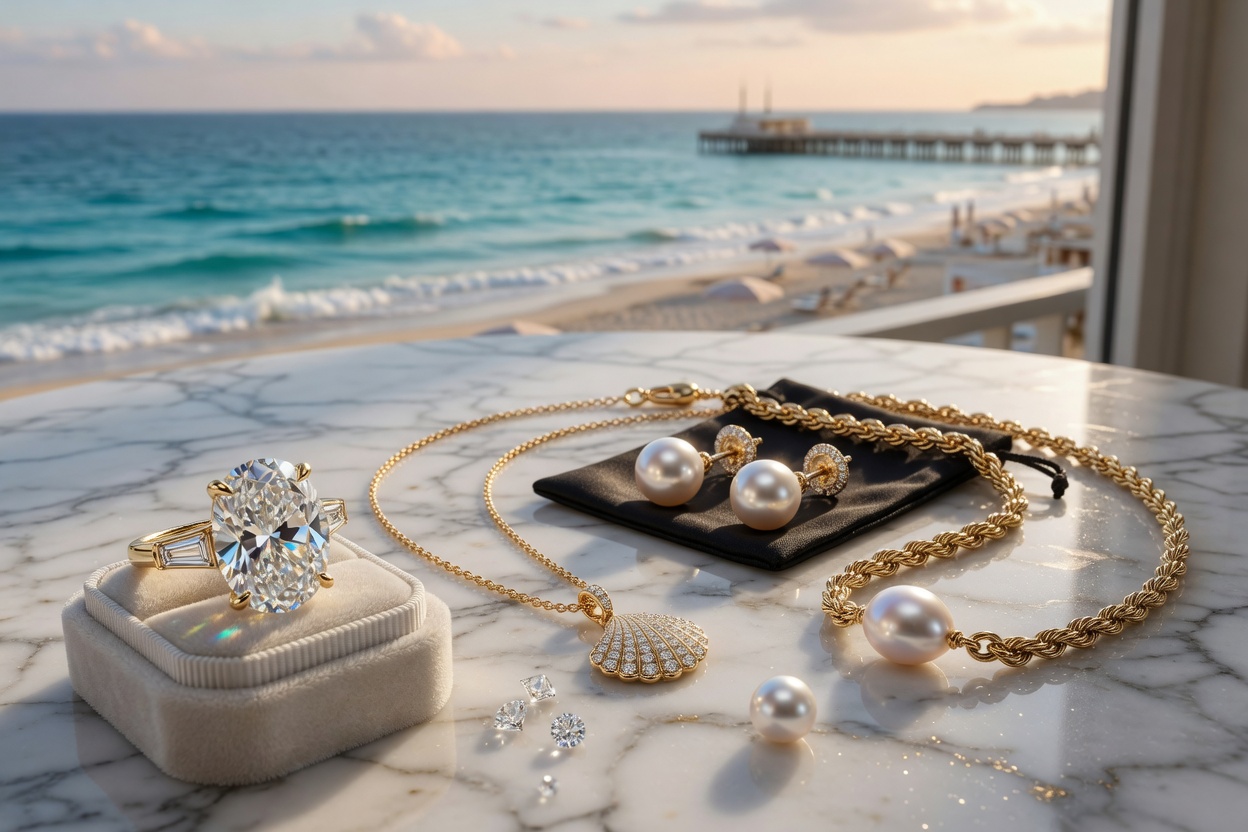
Image Grid 2
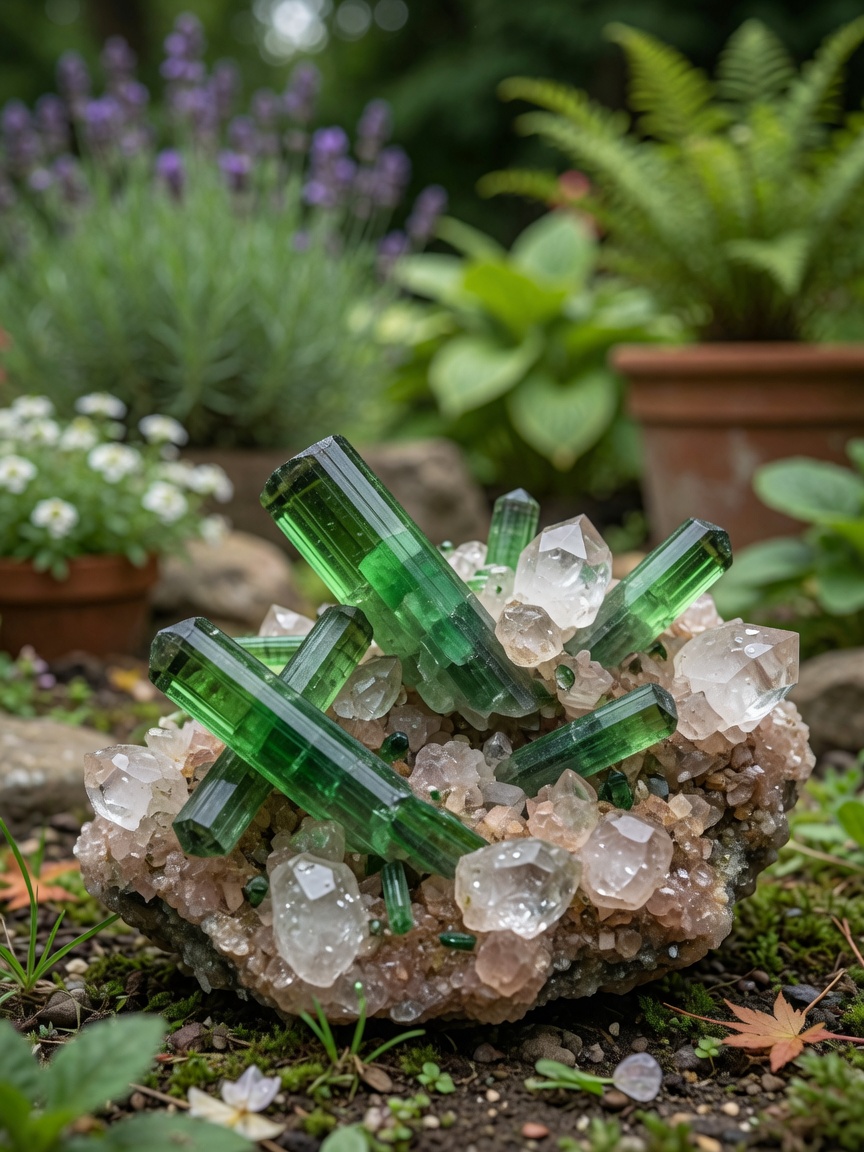


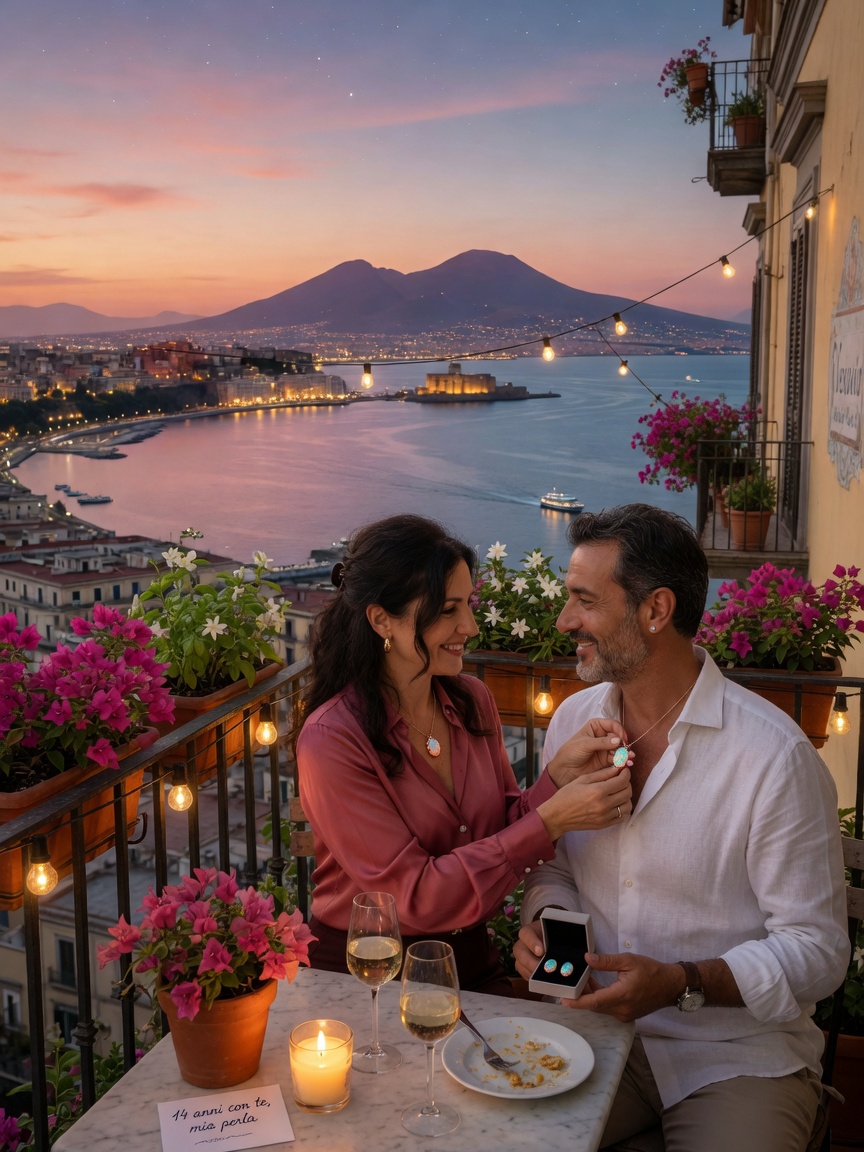
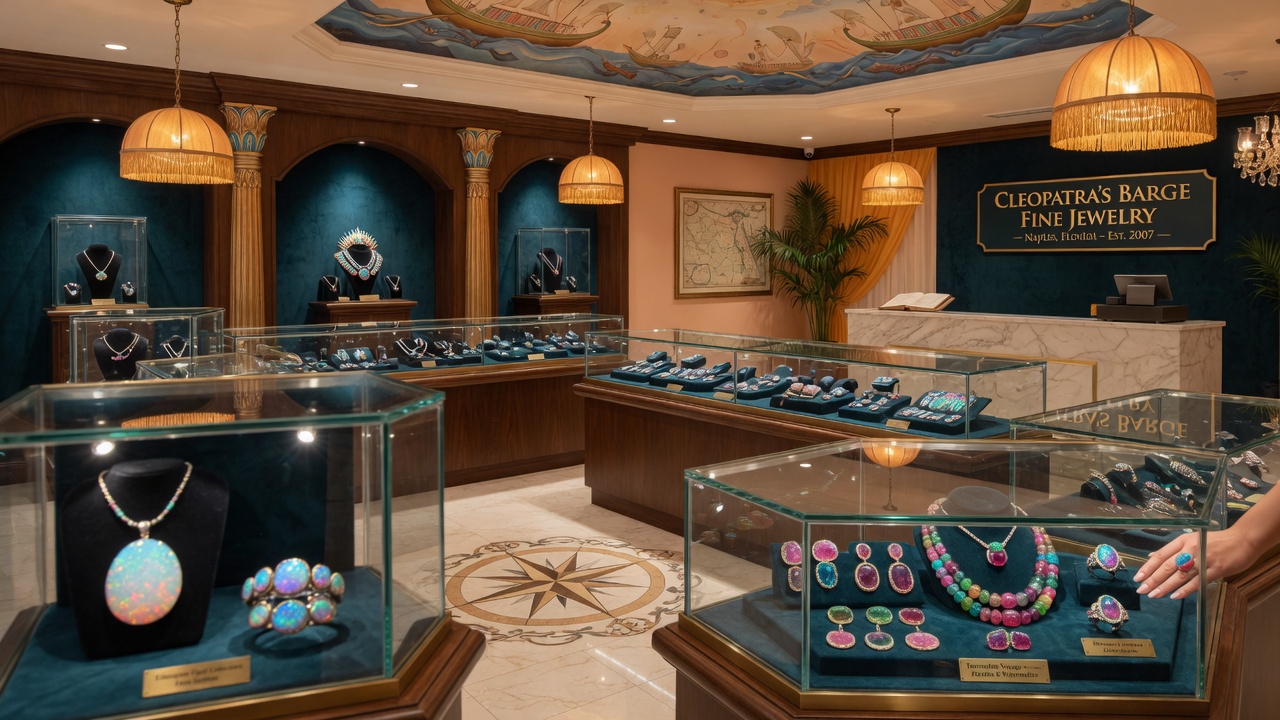
Both stones also carry anniversary significance. Tourmaline celebrates the 8th wedding anniversary, a milestone when a marriage has learned its own distinct palette of shared experience. Opal marks the 14th anniversary, a union mature enough to reveal more than one color at once. (Our opal page also notes an 18th-anniversary association for those counting further milestones.) These anniversaries feel perfectly matched to gems that reward long looking.
Four Shared Themes: Creativity, Hope, Confidence, and Emotional Truth
At Cleopatra’s Barge we often speak of four qualities these stones share. First is creativity. Opal’s shifting fire inspires artists; tourmaline’s spectrum challenges designers to use every hue. Second is hope. Both gems have been carried as talismans of brighter tomorrows. Third is confidence. The stones’ vivid presence seems to lend courage to their wearers. Finally, emotional truth: they encourage the kind of honesty that deepens relationships over decades.
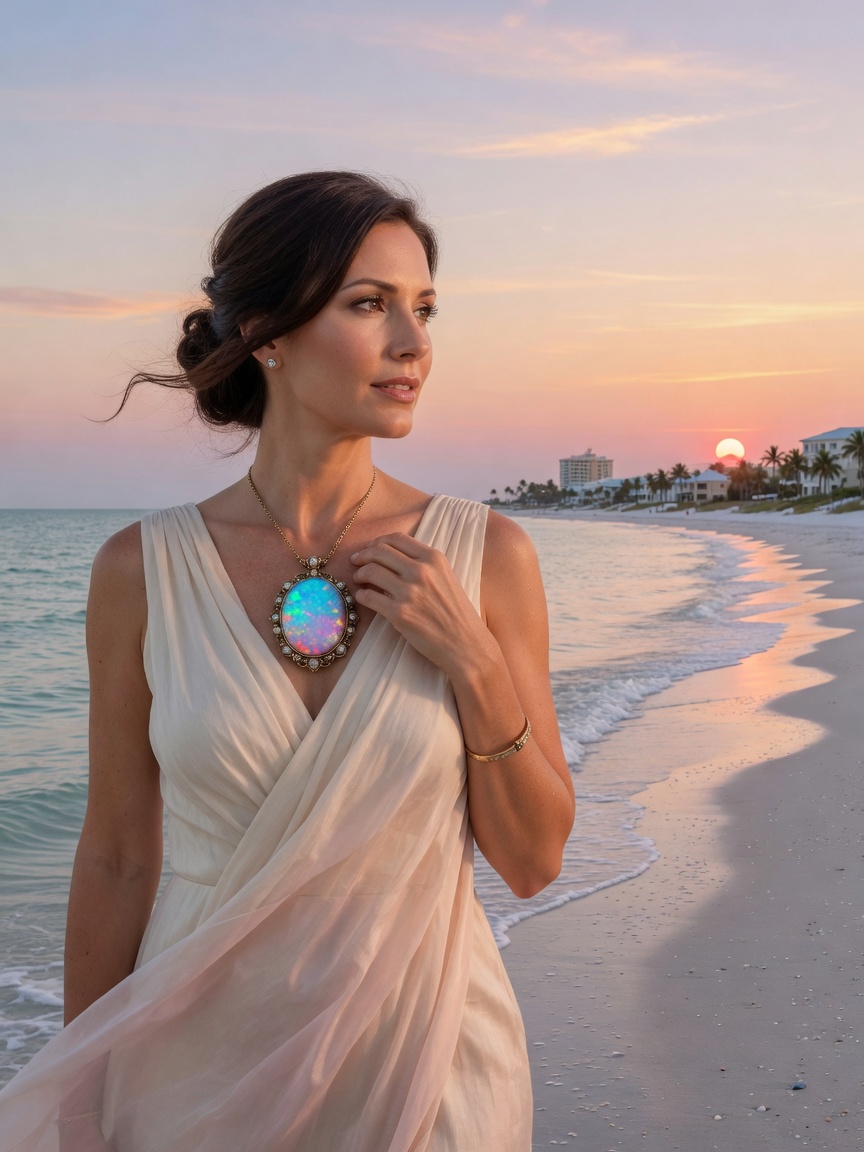
These are not marketing slogans. They are qualities we have witnessed in clients who choose these stones for anniversary gifts or birthday presents. An opal pendant becomes a private sunrise worn against the heart. A tourmaline ring becomes a daily reminder that love can be many things at once and still remain whole.
Opal: Lore of Fire, Rainbow, and Sky
The Romans considered opal the most precious of all gems. The naturalist Pliny the Elder wrote that a fine opal combined the virtues of every other stone: the fiery red of ruby, the purple of amethyst, the green of emerald, the blue of sapphire. In the imperial court, owning a superior opal was a mark of both wealth and refined taste.
One atmospheric tale involves a Roman senator named Nonius who possessed a magnificent opal said to be the size of a hazelnut. When Mark Antony demanded the stone, Nonius reportedly chose exile over surrender. The story may be more legend than biography, yet it illustrates how deeply the ancients valued these living gems.
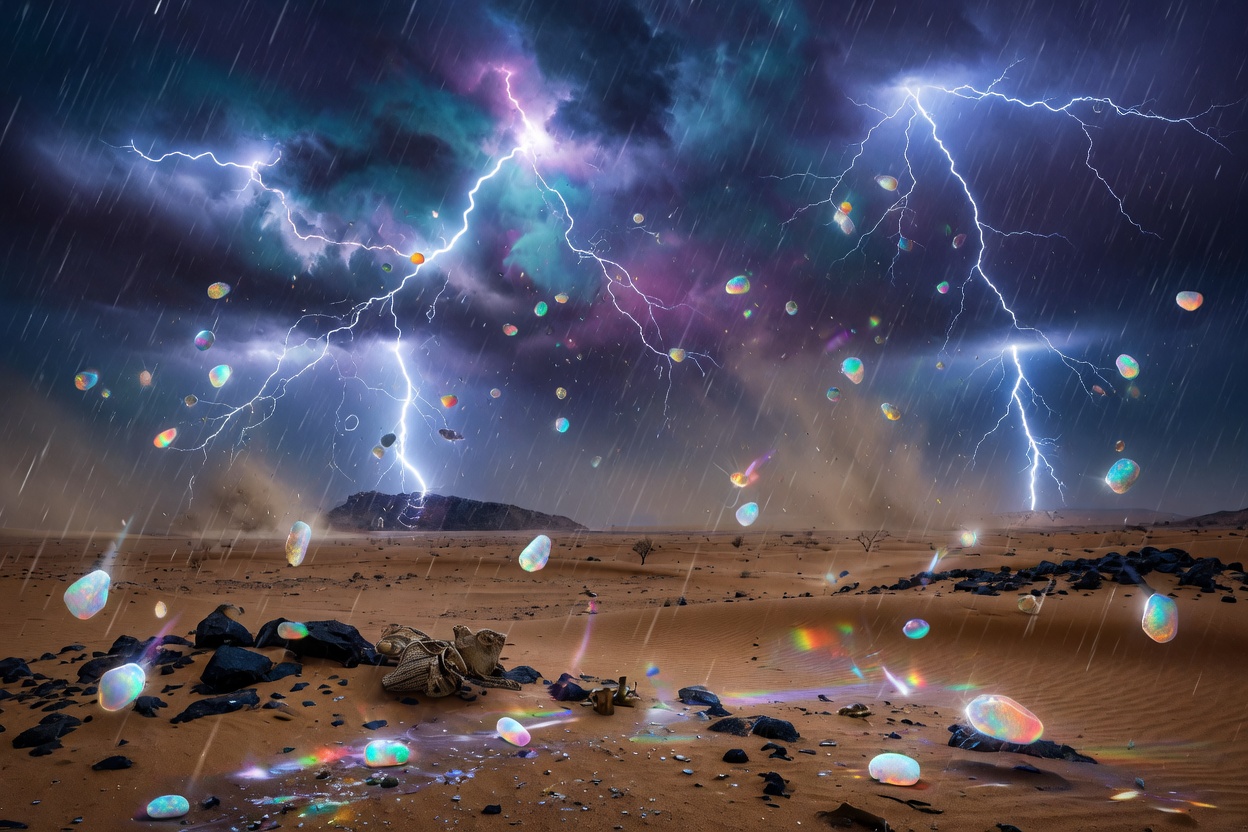
Arabic lore offers a different poetry. Desert storytellers claimed that opals fell from the sky during lightning storms and retained that celestial fire within their depths. The stones were therefore considered fragments of heaven brought to earth.
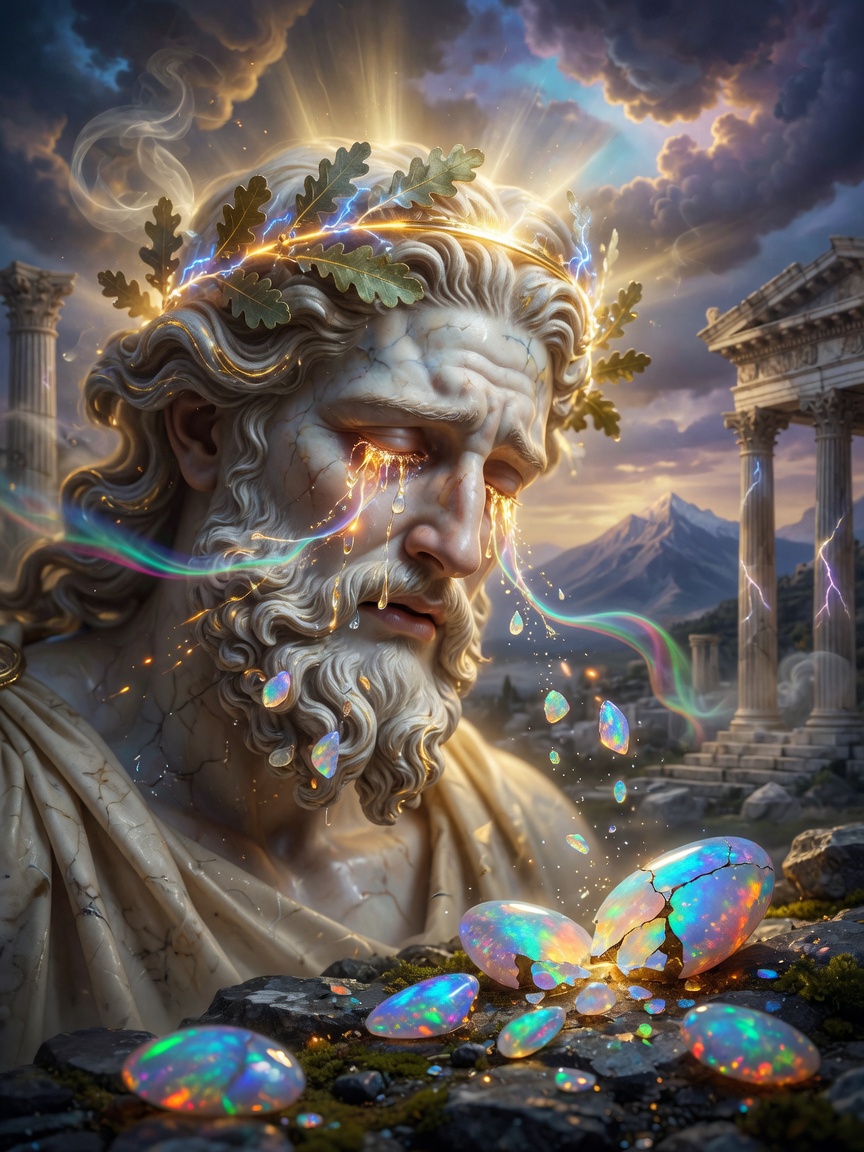
Greek mythology gives us another origin. After Zeus defeated the Titans, he wept tears of joy that fell to earth and solidified into opal. The Greeks saw the stone as crystallized divine emotion—hope made visible.
From India comes the gentle tale of the Goddess of the Rainbow. After she was pursued by many suitors, the gods transformed her into an opal so she could remain forever beautiful and forever free, shimmering in every color at once. The legend reminds us why opal has so often symbolized innocence and faithfulness.
Across these traditions runs a common thread: opal is more than a gem. It is a vessel that holds multiple truths simultaneously. In Naples light, where the sky itself changes mood by the hour, that multiplicity feels especially resonant.
Tourmaline: The Stone of a Thousand Colors
The name tourmaline comes from the Sinhalese word toramalli, meaning “stone of mixed colors.” Ancient traders in Sri Lanka encountered crystals that looked like ruby one day, sapphire the next, and emerald the day after that. They simply called them all toramalli and let the mystery stand.
By the late 1800s, American mineralogist George Frederick Kunz had fallen in love with tourmaline. He helped popularize magnificent crystals discovered in Maine and California. Word spread across the Atlantic. In China, the Empress Dowager Cixi became obsessed with pink and red tourmaline from San Diego County. She acquired vast quantities, using the gems for carvings, buttons, and imperial gifts. Her enthusiasm helped fuel a mining boom that brought some of the world’s finest pink tourmaline to light.
Later discoveries in Brazil revealed even more varieties. Today we also admire fine reds from Madagascar and Afghanistan. The rarest and most celebrated is the copper-bearing neon variety from Paraíba, Brazil—colors so electric they look almost unreal. These vivid stones are mentioned here only as part of tourmaline’s broader story; we do not claim any specific example rests in our cases.
From its earliest reputation as a stone that could not decide its color, tourmaline has grown into a symbol of artistic courage. It refuses to be categorized. That same spirit of fearless self-expression makes it a perfect modern companion to October’s traditional opal.
Science, Elegantly Explained
Opal: Nature’s Prism
Opal is hydrated silica—essentially microscopic spheres of silica dioxide stacked like oranges in a crate. When these spheres are uniform in size and arrangement, they diffract white light into its component colors, producing the famous play-of-color. The phenomenon is physical, not chemical. No dye touches an opal.
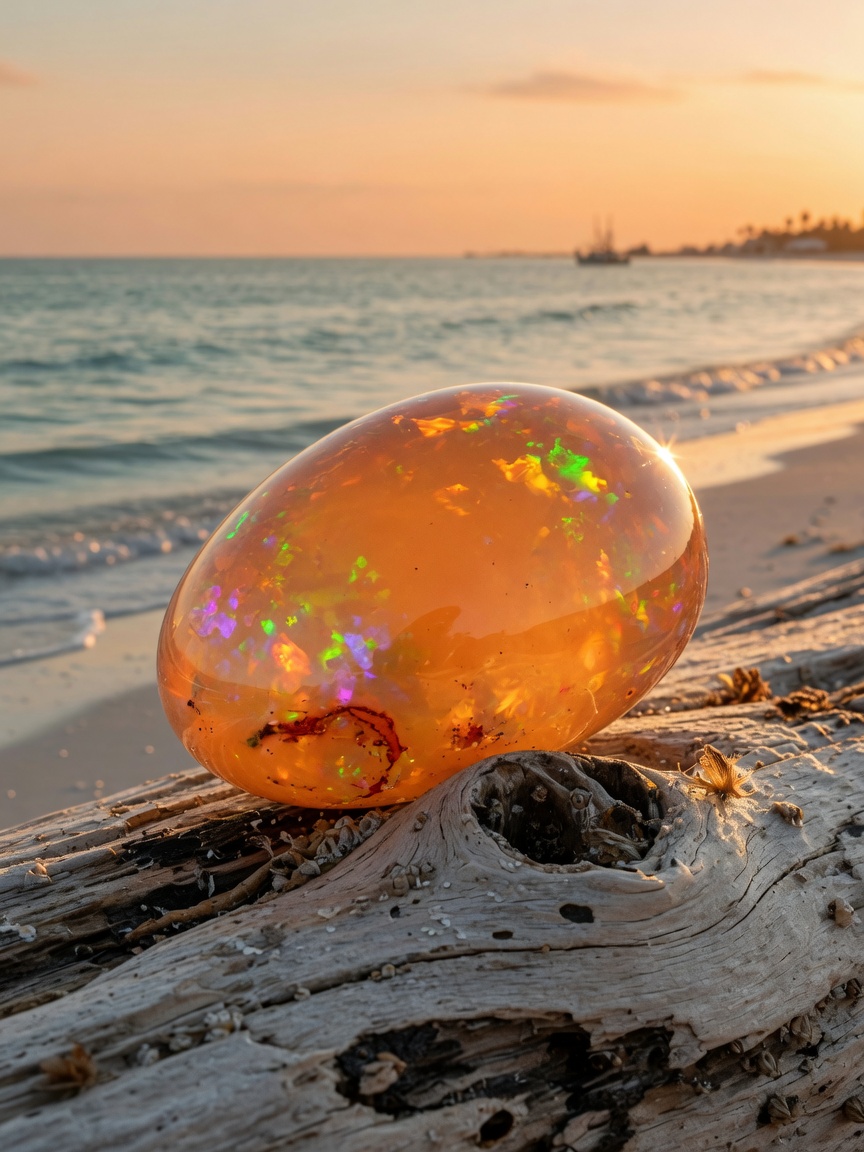
We classify opals by body tone and origin. White opal shows color against a light background. Black opal, rarer and highly prized, displays fire against a dark base. Crystal opal is transparent or translucent with vivid flashes. Boulder opal grows naturally on ironstone matrix, creating dramatic landscapes of color. Mexican fire opal, often bright orange or red, may show play-of-color or simply glow with warm body color.
Major sources include Australia (especially Lightning Ridge and Coober Pedy), Ethiopia, and Mexico. On the Mohs scale, opal ranks approximately 5 to 6.5. It also contains up to 20 percent water. This means care is a matter of respect rather than superstition. Sudden temperature changes, prolonged exposure to Florida heat and humidity, or harsh chemicals such as sunscreen can affect the stone. A well-set opal in a protected mounting can be worn with confidence for a lifetime.
The old tale of opal bringing bad luck is easily retired. Sir Walter Scott’s novel Anne of Geierstein featured an opal that lost its color at the moment of its owner’s death, frightening an entire generation of readers. Queen Victoria, undeterred, wore opal constantly and gave opal jewelry as gifts. Her endorsement helped restore the stone’s reputation. At Cleopatra’s Barge we view opal as a stone of hope, not hazard.
Tourmaline: Complex Chemistry, Steady Presence
Tourmaline belongs to the boron silicate family. Its complex crystal chemistry allows it to incorporate many different trace elements, which accounts for its extraordinary color range. On the Mohs scale it measures 7 to 7.5, making it durable enough for daily wear in a ring or pendant.
Varieties include rubellite (vivid red to pink), indicolite (rich blue), verdelite (green), and the famous watermelon tourmaline that displays both pink and green in a single crystal. Paraíba tourmaline, the rare copper-bearing neon blue and green variety, represents the extreme of what this species can achieve. Each color carries its own subtle personality while remaining recognizably tourmaline.
Because of its hardness and relative stability, tourmaline makes an excellent everyday companion. It asks less caution than opal yet offers the same emotional richness.
Anniversary Meanings That Grow Deeper With Time
The 8th anniversary, marked by tourmaline, celebrates a marriage that has discovered its own palette. Early years may be dominated by one strong color; by the eighth year, partners have learned to appreciate the subtle transitions between shades. Tourmaline’s ability to hold many colors in harmony mirrors the emotional range a lasting relationship must embrace.
The 14th anniversary, honored by opal, recognizes a union that has moved past novelty into true depth. Like play-of-color that appears only when the stone is turned thoughtfully, the richest qualities of a long marriage reveal themselves gradually. Opal’s traditional meanings—hope, innocence, faithfulness, and loyalty—feel especially appropriate at this milestone. The stone reminds us that fidelity need not be monochrome to be true.
Both anniversaries invite celebration not just of endurance but of continued discovery. We at Cleopatra’s Barge have seen couples return year after year, each visit revealing new facets of their own story reflected in these gems.
Comparison: Opal and Tourmaline at a Glance
| Aspect | Opal | Tourmaline |
|---|---|---|
| October Birthstone Status | Traditional | Modern |
| Anniversary Association | 14th (also noted for 18th) | 8th |
| Mohs Hardness | 5–6.5 | 7–7.5 |
| Primary Optical Effect | Play-of-color through diffraction | Pleochroism and vast color range |
| Chemical Family | Hydrated silica | Boron silicate |
| Care Considerations | Avoid sudden temperature change, protect from harsh chemicals | Generally stable for daily wear |
| Symbolic Strengths | Hope, creativity, faithfulness, emotional depth | Protection, artistic courage, heartfelt connection, confidence |
This side-by-side view shows how perfectly the two stones complement each other. One captures the magic of shifting light; the other embodies the courage to wear every color of feeling. Worn together, they tell a complete story.
Why These Stones Speak to October Souls
Those born in October often describe themselves as colorful, intuitive, and emotionally complex. They resist being placed in a single category. Opal and tourmaline honor that complexity. They do not demand that life be simplified into one pure note. Instead they celebrate the full spectrum—every flash of insight, every transition of mood, every deepening shade of love.
In our experience at Cleopatra’s Barge, clients who choose these stones tend to be artists, healers, teachers, and those who live by imagination. The gems become daily reminders that their sensitivity is not fragility but a form of strength. The play-of-color in opal mirrors the way an intuitive mind catches unexpected beauty. The steady presence of tourmaline reassures that same mind that it can also stand firm.
From Naples Light to Personal Meaning
Here in Naples, Florida, October brings a special quality of light. The sky softens, the water takes on turquoise and lavender tones, and the air itself seems to hold possibility. It is the perfect season to consider a gem that refuses to stay still or a stone that contains every color worth feeling.
We invite October-born clients and couples celebrating 8th or 14th anniversaries to schedule a private viewing. There is something sacred about seeing these stones in natural light, watching opal’s fire wake and tourmaline’s colors answer. No two experiences are the same, just as no two relationships are the same.
Should you wish to transform a special moment into wearable art, we also offer custom design and redesign services. Whether you begin with a family stone or a blank canvas of precious metal, our team listens carefully to the story you wish to tell. The resulting piece becomes more than jewelry. It becomes a personal mythology you carry with you.
A Final Reflection on Color and Courage
Opal and tourmaline teach us that beauty emerges from complexity. They remind us that hope is not naïve but courageous. They encourage us to live with creativity rather than conformity, to speak emotional truth rather than safe pleasantries. In their quiet way they model the best version of a long marriage: many colors, one enduring stone.
Whether you wear them separately or together, these October birthstones reward attention. The more thoughtfully you turn them in the light, the more they reveal. Much like love itself.
At Cleopatra’s Barge Fine Jewelry in Naples, Florida, we remain devoted to the stories gems tell and the lives they enrich. We look forward to sharing the full spectrum with you.
By appointment only · (239) 261-7952 · cleopatrasbarge@aol.com